When Meticore first appeared on the market, it promised something most weight loss supplements never dare to explain — a specific mechanism. The claim was bold: low core body temperature is the hidden cause of slow metabolism, and Meticore could fix it.
Thousands searched for Meticore reviews hoping to find proof that this metabolism-boosting supplement actually delivered results. Some users reported positive changes. Many others called it a waste of money. And now, heading into 2026, the landscape has shifted dramatically.
The product’s official website appears to be offline. Customer support channels have gone silent. Yet people are still searching for answers.
This review cuts through the noise. We examine every ingredient against published research, break down the science behind the core body temperature theory, and give you an honest assessment of whether Meticore was ever worth the hype — and what you should do instead.
This guide is for you if:
- You’re researching Meticore before buying (or wondering if you still can)
- You already purchased and want to understand what you took
- You want a science-backed framework for evaluating any weight loss supplement
Table of Contents
Meticore Reviews at a Glance:
- What is it? → A dietary supplement claiming to boost metabolism by raising core body temperature
- Does it work? → No peer-reviewed clinical trials support the specific Meticore formula
- Is it a scam? → The product existed, but key marketing claims were unsubstantiated
- Available in 2026? → The official website appears offline; the product seems discontinued, but status may change over time
- What should you do? → Consult a healthcare provider and rely on evidence-based weight management strategies
What Is Meticore?
Meticore is a dietary supplement marketed as a natural metabolism booster that claims to promote weight loss by increasing core body temperature. The product was introduced around 2020 and gained rapid popularity through aggressive online marketing, sponsored press releases, and affiliate-driven review sites.
The supplement comes in capsule form and contains a blend of plant-based ingredients. The manufacturer positioned it as stimulant-free, vegetarian-friendly, and safe for daily use.
But here’s what most review sites don’t mention: Meticore is not a pharmaceutical product. It was never evaluated or approved by the U.S. Food and Drug Administration (FDA) for safety or effectiveness. Like all dietary supplements in the United States, it only needed to avoid making explicit drug-like claims to remain on the market.
The Core Body Temperature Theory

The central claim behind Meticore was that low core body temperature is a root cause of slow metabolism and weight gain. The idea is that by raising your internal temperature, your body would naturally burn more calories — even at rest.
There is a kernel of truth here, but it gets stretched far beyond what the science supports.
Research published by the National Institutes of Health confirms that metabolic processes produce heat and that metabolic rate and body temperature are interconnected. Higher metabolic activity does generate more heat.
However, the relationship is not a simple on/off switch. You cannot “fix” a slow metabolism by taking a capsule that marginally affects internal temperature. The body’s thermoregulatory system is tightly controlled, and no over-the-counter supplement has been clinically proven to alter core body temperature enough to produce meaningful fat loss.
That sounds promising on paper — until you examine the actual evidence for the ingredients Meticore uses.
Meticore Ingredients — What’s Actually Inside?
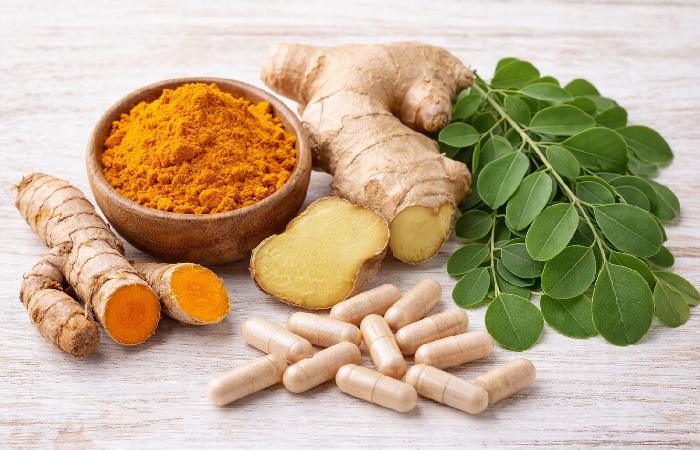
Meticore’s formula includes several plant-based ingredients that have been studied individually for various health properties. The problem is that Meticore uses a proprietary blend, which means the exact amount of each ingredient per capsule is not disclosed.
This is a red flag that most review sites gloss over.
Without knowing exact dosages, it’s impossible to determine whether the formula contains enough of any single ingredient to have a measurable effect. A supplement could list turmeric on the label but include such a small amount that it does nothing.
Full Ingredient Breakdown
Here’s what Meticore contains, with an honest look at what the research actually shows:
| Ingredient | Claimed Benefit | Scientific Evidence Level | Key Notes |
|---|---|---|---|
| Turmeric (Curcumin) | Anti-inflammatory, metabolism boost | Moderate for inflammation; Weak for weight loss | Curcumin has legitimate anti-inflammatory properties, but weight loss effects in humans are minimal and inconsistent |
| Ginger Root | Thermogenesis, digestion | Moderate for digestion; Limited for fat burning | May support digestive health; thermogenic effect is too small to drive meaningful weight loss |
| Moringa Oleifera | Nutrient support, energy | Low-to-Moderate | Rich in vitamins and antioxidants; no strong evidence for weight loss |
| African Mango Extract | Appetite suppression, fat reduction | Low | A few small studies showed modest effects, but results have not been replicated in larger, rigorous trials |
| Brown Seaweed Extract (Fucoxanthin) | BAT activation, fat oxidation | Low-to-Moderate | Promising results in animal studies; very limited human data |
| Vitamin B12 | Energy metabolism | Strong for deficiency correction | Essential nutrient, but supplementing beyond adequate levels does not increase metabolism or cause weight loss |
| Chromium | Blood sugar regulation | Moderate for blood sugar; Minimal for weight loss | May help with insulin sensitivity; does not independently drive fat loss |
The “Proprietary Blend” Problem
Here’s where people go wrong when evaluating supplements like Meticore.
Having “clinically studied ingredients” is not the same as having a “clinically studied product.” Turmeric has hundreds of published studies. Ginger does too. But those studies used specific, measured doses — often far higher than what a proprietary blend capsule typically contains.
When a company hides behind a proprietary blend, they’re essentially saying: “Trust us on the dosages.” For a health product making bold weight loss claims, that’s not good enough.
Does Meticore Actually Work? A Science-Based Analysis
Let’s be direct: there are no peer-reviewed, double-blind, placebo-controlled clinical trials testing the Meticore formula on human subjects.
This is the single most important fact that separates honest reviews from affiliate marketing.
What Research Says About Core Body Temperature and Weight Loss
The idea that body temperature and metabolism are connected is scientifically valid. Research into brown adipose tissue (BAT) — a specialized type of fat that burns calories to produce heat — is a legitimate and active area of obesity research.
When activated, BAT increases energy expenditure through a process called non-shivering thermogenesis. Scientists at institutions like Stanford and Harvard have studied BAT activation through cold exposure, and some compounds have shown promise in animal models.
However, the practical weight loss impact of BAT activation in adults is currently considered modest. According to research reviewed by the NIH, the energy expenditure increase from activating brown fat in humans is relatively small and has not been demonstrated as a viable standalone strategy for significant weight loss.
The Gap Between Individual Ingredients and the Final Formula
This is the ingredient paradox that most Meticore reviews completely ignore.
Even if every ingredient in Meticore had strong individual evidence (and several don’t), that wouldn’t validate the combined formula. Ingredients can interact, compete for absorption, or be present in doses too small to matter.
No one has tested whether these seven specific ingredients, in these unknown proportions, actually raise core body temperature or produce any measurable metabolic change in humans. That’s not a minor detail — it’s the entire foundation of the product’s marketing claim.
Meticore Side Effects and Safety Concerns
Reported Side Effects
Because Meticore uses generally recognized natural ingredients, severe side effects appear uncommon based on available user reports. However, some users have reported:
- Digestive discomfort — nausea, bloating, or stomach upset (particularly from turmeric and ginger in concentrated forms)
- Headaches — reported by some users, especially during the first week
- Allergic reactions — possible for individuals sensitive to any plant-based ingredient in the blend
Drug Interactions and Precautions
Several ingredients in Meticore have known interaction potential:
- Turmeric/curcumin may interact with blood thinners (warfarin, aspirin) and diabetes medications
- Chromium can affect blood sugar levels and may interact with insulin or diabetes drugs
- Ginger in high doses may interact with anticoagulant medications
Important: Always consult with your healthcare provider before starting any dietary supplement, especially if you take prescription medications, have underlying health conditions, or are pregnant or nursing.
Is Meticore a Scam or Legit?
The answer depends on how you define “scam.”
Legitimate Product vs. Unsubstantiated Claims
Meticore was a real, manufactured product. It wasn’t a phantom company charging credit cards without shipping anything. Capsules were produced, packaged, and delivered to customers.
But the marketing surrounding Meticore pushed well beyond what the evidence supports. Claims about “triggering” metabolism, “fixing” low core body temperature, and enabling rapid fat loss without diet changes are not substantiated by any published clinical research on this specific formula.
That gap between the marketing promises and the scientific evidence is where legitimate criticism is justified.
Counterfeit Product Warnings
Because Meticore was sold primarily through its own website rather than retail stores, there have been reports of counterfeit versions on Amazon, eBay, and other third-party marketplaces. Multiple consumer complaints involved products that didn’t match the official formula — a risk that’s grown even more significant now that the official sales channel appears to be down.
The “FDA Approved” Misconception
Some Meticore marketing materials implied the product was “FDA approved.” This is misleading. The FDA does not approve dietary supplements. Supplements may be manufactured in FDA-registered facilities that follow Good Manufacturing Practices (GMP), but the product itself does not undergo the approval process that prescription drugs require.
This is why understanding supplement regulation matters.
Meticore Customer Reviews — What Real Users Say
Positive Experiences
A subset of users reported:
- Modest weight loss over 60–90 days (typically combined with diet and exercise changes)
- Slight increase in energy levels
- Improved digestion
It’s worth noting that users who changed their diet and exercise habits simultaneously would likely see results with or without a supplement.
Negative Experiences and Common Complaints
Many independent reviews (on Reddit, Trustpilot, and consumer forums) trend negative:
- No noticeable weight loss after 30–60 days of consistent use
- Reports of difficulty obtaining refunds despite the advertised 60-day money-back guarantee
- Customer support unresponsive or difficult to reach
- Feeling “nothing different” — no energy boost, no appetite suppression, no visible changes
- Suspicion of fake positive reviews on affiliate websites
The pattern on platforms like Trustpilot and Reddit is clear: most users who paid out of pocket and had no affiliate incentive reported disappointing results.
Meticore in 2026 — Current Availability and Status
This is the part most review sites still haven’t updated.
As of 2026, Meticore’s official website appears to be offline based on recent checks. The product does not seem to be available through its original primary sales channel, though status may change over time. Customer support email addresses associated with the brand appear inactive.
Some third-party sellers on marketplaces like Amazon or eBay may still list “Meticore” capsules. However, purchasing from these sources carries significant risk:
- No way to verify authenticity without the official manufacturer
- No active refund policy if the original company is no longer operating
- Potential for expired or counterfeit products
If you’re reading this in 2026 hoping to buy Meticore — the safest recommendation is to avoid third-party purchases entirely.
How to Evaluate Any Weight Loss Supplement (5-Point Safety Checklist)
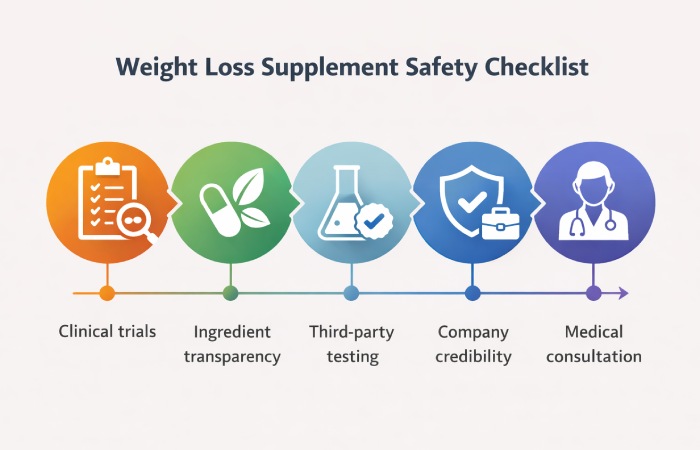
Whether you’re considering Meticore or any other supplement, use this framework before spending your money:
1. Check for Clinical Trials on the Actual Product
Not just individual ingredients — the specific formula. Look for peer-reviewed, human studies published in reputable journals.
2. Verify Ingredient Dosage Transparency
Reject any supplement that hides behind a “proprietary blend” without disclosing individual ingredient amounts. You deserve to know what you’re taking.
3. Confirm Third-Party Testing
Look for certifications from independent labs like NSF International, USP, or ConsumerLab. These verify that the product contains what the label says.
4. Research the Company’s Track Record
Check for a verifiable business address, responsive customer service, clear refund policies, and a history of transparent communication.
5. Consult Your Healthcare Provider
This isn’t just a disclaimer — it’s practical. Your doctor can evaluate whether a supplement’s ingredients are safe given your medications, health conditions, and goals. According to CDC guidelines on weight management, evidence-based approaches combining nutrition, physical activity, and behavioral strategies remain the most effective path to sustainable weight loss.
Common Mistakes When Choosing Weight Loss Supplements
- Mistake 1: Confusing “natural” with “safe” or “effective.” Arsenic and hemlock are natural too. “Natural ingredients” is a marketing phrase, not a safety certification.
- Mistake 2: Trusting review sites that sell the product. If the reviewer earns a commission from your purchase, their incentive is to sell — not to inform. Look for reviews from sources with no financial stake.
- Mistake 3: Ignoring the “proprietary blend” label. This single phrase should immediately prompt skepticism. Reputable supplement companies disclose every ingredient and its exact dosage.
- Mistake 4: Expecting supplements to replace fundamentals. No capsule can substitute for a caloric deficit, regular physical activity, and adequate sleep. Supplements are — at best — marginal additions to a strong foundation.
- Mistake 5: Not checking the company’s current status. As Meticore demonstrates, supplement companies can disappear. Before purchasing, verify that the company is actively operating and reachable.
Who Should Consider Metabolism Supplements — and Who Should Avoid Them
May benefit from evidence-based metabolism support:
- Adults with confirmed nutrient deficiencies (e.g., B12, iron) contributing to fatigue
- Individuals who have consulted a healthcare provider and been recommended specific supplementation
- People using supplements as a small addition to an established diet and exercise routine
Should avoid metabolism supplements (or proceed with extreme caution):
- Anyone expecting a “magic pill” for weight loss without lifestyle changes
- People taking prescription medications (especially blood thinners, diabetes drugs) without doctor approval
- Pregnant or nursing individuals
- Anyone under 18
- People with a history of eating disorders — supplements can reinforce unhealthy fixation on quick fixes
Final Verdict on Meticore
After reviewing the ingredients, the scientific claims, customer feedback, and current market status, here is our honest assessment:
Meticore reviews paint a mixed-to-negative picture for good reason. The product relied on a plausible-sounding but unproven mechanism, used a proprietary blend that prevented dosage verification, lacked any clinical trials on its specific formula, and has now apparently exited the market entirely.
The core body temperature theory has a basis in real science — but Meticore’s application of that science was never validated through rigorous research. Most users who reported positive results were also making diet and exercise changes, making it impossible to attribute results to the supplement alone.
Our recommendation: Don’t attempt to purchase Meticore from third-party sellers. Instead, invest your time and money in evidence-based weight management strategies. If you’re interested in supplements, consult your healthcare provider and choose products with transparent ingredient labels, published clinical research, and third-party testing certifications.
Frequently Asked Questions
Q: What is Meticore and how does it claim to work?
Meticore is a dietary supplement that claims to boost metabolism by raising core body temperature. It contains a proprietary blend of natural ingredients including turmeric, ginger, moringa, and African mango extract. The manufacturer stated that low core body temperature causes slow metabolism and weight gain, and that Meticore could correct this. However, no clinical trials have tested this specific product.
Q: Does Meticore actually work for weight loss?
There is no published clinical evidence demonstrating that Meticore’s specific formula produces weight loss in humans. While some individual ingredients have been studied for various health benefits, those studies used specific dosages that Meticore’s proprietary blend does not disclose. Users who reported positive results were typically also changing their diet and exercise habits.
Q: Is Meticore a scam?
Meticore was a real, manufactured product — not a phantom operation. However, its marketing claims significantly overstated what the available scientific evidence supports. The lack of clinical trials on the specific formula, combined with a proprietary blend that hides dosages and aggressive affiliate marketing, justifies skepticism about the product’s effectiveness.
Q: What are the side effects of Meticore?
Reported side effects include digestive discomfort (nausea, bloating), headaches, and potential allergic reactions to plant-based ingredients. Turmeric and ginger can interact with blood-thinning medications, and chromium may affect blood sugar levels. Consult your healthcare provider before taking any dietary supplement.
Q: Is Meticore still available to buy in 2026?
As of 2026, Meticore’s official website appears to be offline, and the product seems to be discontinued. Some third-party sellers may still list it on platforms like Amazon or eBay, but purchasing from these sources carries significant risks including counterfeit products, expired formulas, and no active refund policy.
Q: Is Meticore FDA approved?
No. The FDA does not approve dietary supplements in the same way it approves pharmaceutical drugs. Supplements are not required to prove safety or effectiveness before being marketed. While Meticore may have been manufactured in a GMP-certified facility, the product itself was never FDA evaluated or approved.
Disclaimer
This review is for informational purposes only and does not constitute medical advice. Always consult a licensed healthcare professional before starting, stopping, or changing any supplement or weight loss plan.