
Look, nobody wakes up excited about finding a proctologist. You’re here because something’s wrong — piles, a fissure, maybe a fistula that’s been dragging on for months — and someone you trust said two words: GutCare. Dr. Yuvrajsingh.
So you Googled it. Smart.
But every result you’ve clicked so far? Practo listings. Lybrate templates. The same three lines about “laparoscopic surgeon” and “book appointment now.” None of that actually helps you decide anything. You‘re trying to find out if this guy is legitimate, what he actually treats, how much it costs, and whether you should schedule an appointment or continue your search.
That’s what this page is for. No sales pitch, no copy-pasted clinic brochure. I pulled together everything that’s publicly available about Dr. Yuvrajsingh Gehlot and GutCare Clinics — credentials, treatments, fees, patient review patterns, and the stuff most medical pages conveniently skip.
Read it. Then decide.
Table of Contents
Key Takeaways
- Who -> Dr. Yuvrajsingh Gehlot colorectal and laparoscopic surgeon, 28+ years of practice, MBBS, MS (General Surgery), fellowship in coloproctology (F. I. S. C. P.)
- What-> GutCare Clinics, Indiranagar, Bangalore remains apart from the common clinics. Does mainly piles, fissures, fistula, hernia, gall stones, appendicitis and colorectal cancers. Mostly minimally invasively techniques.
- Reviews -> 1334+ Patient stories on Practo, 99% Recommend on Practo (as of last check)
- Cost-> Consultation about ₹950. Surgery anywhere from ₹40,000 to ₹1,50,000 depends on what you need.
- Book → Call +91-8431-550-550 or head to gutcareclinics.com
Who Is Dr. Yuvrajsingh Gehlot?
Brief answer: He‘s a Bangalore based surgeon practicing in colorectal and laparascopic surgeries. His clinics are called GutCare Clinics in Indiranagar. Has been practicing for 28+ years.
Three degrees below the title MBBS from Dr. Babasaheb Ambedkar Marathwada University; MS in General Surgery from the University of Mumbai; Fellowship from (ISCP) International Society of Colo-Proctology and (RAK) Research and Academic Collaboration. The names says 18000+ surgeries and 100000+ patients.
Big numbers. But what do they actually tell you?
Qualifications and Credentials — What Those Letters Mean
Here’s something that bugs me about medical profile pages. They throw abbreviations at you — MBBS, MS, F.I.S.C.P. — like everyone knows what they stand for. You probably don’t. Most patients don’t. So let’s break it down without the jargon.
- MBBS (2001). Basic medical degree. Every doctor in India starts here. He completed his at a university in Maharashtra. Nothing unusual — just the foundation.
- MS in General Surgery (2007). This one’s the postgraduate surgical qualification from the University of Mumbai. Takes years of residency training to earn. Six-year gap between MBBS and MS? Standard. That’s residency. Once you have the MS, you can perform surgeries on your own. Many surgeons stop here and practice as general surgeons for the rest of their careers.
Dr. Gehlot didn’t stop.
- F.I.S.C.P. (2016). Fellow of the International Society of Colo-Proctology. And this is the one that actually matters if you’re a proctology patient — because it means he went back to school, essentially. Coursework. Workshops. Hands-on training specifically in colorectal and anorectal surgery. An exam at the International Society of Colo-Proctology’s annual conference. Not every general surgeon bothers with this. The ones who do are telling you: “I chose this specific field on purpose.”
Does a fellowship guarantee a great surgeon? No. But it tells you the person put in extra work to specialize — and in a field like proctology, where technique directly affects recurrence rates, that matters.
One more thing. You can look up any doctor’s registration yourself. Go to the National Medical Commission’s Indian Medical Register, punch in the name, and confirm they’re legally registered. Free. Takes two minutes. Don’t just do this for Dr. Gehlot — do it for any specialist you’re considering.
28+ Years — But Can You Verify Those Surgery Numbers?
Honestly? Not really.
The 18,000+ surgeries and 100,000+ patients figures come from GutCare’s own website. No third party has audited those numbers. And that’s not a knock on this clinic specifically — it’s how every private practice in India works. Nobody verifies those stats independently.
What you can check: his Practo profile. Over 1,334 patient stories. A 99% recommendation rate. That’s verifiable — you can scroll through those reviews yourself. And for context, most proctologists in Bangalore have somewhere between 50 and 300 Practo reviews. Dr. Gehlot has four to five times that.
Does that prove he’s the best? No. But it’s a stronger signal than an unverified surgery count on a clinic homepage.
What Is GutCare Clinics?
A colorectal and laparoscopic surgery clinic in Bangalore’s Indiranagar neighborhood. They position themselves as handling everything from your first diagnostic consult through to post-surgery follow-up — piles, fistulas, hernias, the full range.
One clinic. One specialty area. That’s their pitch.
Clinic Location, Hours, and Contact
Here’s what you need if you’re planning a visit:
- Address: 1st Floor, #4024, 13th ‘H’ Main, 1st Cross Road, HAL 2nd Stage, Indiranagar, Bengaluru – 560008
- Phone: +91-8431-550-550
- Website: gutcareclinics.com
- Emergency availability: 24/7 (that’s per their website — call to double-check if you’re actually showing up at 2 AM)
And here’s something people trip over. There’s a completely different clinic called “Gut Care – Gastro & Liver Clinic” in Basavanagudi/VV Puram, run by Dr. Parvesh Kumar Jain. Similar name. Different doctor. Different clinic. Different location.
If you Google “gut care clinic near me” from south Bangalore, you might land on the wrong one. Confirm the Indiranagar address before you leave the house.
The Medical Team — It’s More Than One Doctor
GutCare isn’t a one-man operation. The clinic has a medical advisory board:
- Dr. Prajesh Bhuta — MBBS, MS in General Surgery
- Dr. Paresh A. Jain — MBBS, MS, FRCS (Edinburgh, UK)
- Dr. Shelly Chauhan — MBBS, M.D.
Check Dr. Jain‘s credentials there. FRCS Edinburgh. That‘s the Royal College of Surgeons one of the more difficult to get fellowship in overseas surgery. With a whole bunch of specialists on the advisory board, complicated cases can be solved from different point of view rather than the one who‘s free that day. Smaller clinic may not even have this sort of arrangement.
Treatments and Conditions Covered at GutCare
Alright — the practical stuff. What does this clinic actually treat, and what should you know about each condition before your consult?
Piles (Hemorrhoids) — Laser and Surgical Options
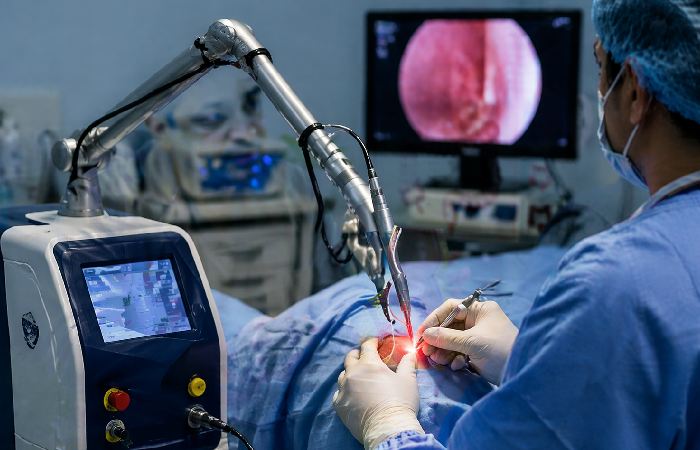
This is their bread and butter. Most of GutCare’s patient flow is piles cases.
They offer laser treatment — 30-minute procedure, same-day discharge, per the clinic’s website — and conventional surgical options. The laser claim matches standard protocols. That part checks out. But here’s what matters more than the procedure itself.
Not every pile needs surgery. Genuinely.
Grade 1 and Grade 2 hemorrhoids — which covers a surprisingly large chunk of cases — often improve with fiber, water, topical medication, and not sitting on the toilet scrolling through Instagram for 25 minutes. A surgeon that jumps to Let‘s schedule the operation on the first visit and doesn‘t cover conservative management? That‘s a red flag and you should slow down and get a little more information.
For Grade 3 and Grade 4 piles, yes, you’re probably looking at a procedure. Stapled hemorrhoidopexy is another option beyond laser and conventional excision — it works by repositioning the tissue rather than cutting it out. Ask which technique Dr. Gehlot recommends for your specific grade and why he prefers it over alternatives.
Anal Fissures and Fistula Treatment
Two different problems, two different treatment paths. People confuse them constantly.
Fissures are tears. They hurt — a lot, usually — but they’re straightforward to treat in most cases. Medication first. High-fiber diet. Topical nitroglycerine ointment. Warm sitz baths. Surgery enters the picture only when six to eight weeks of conservative treatment hasn’t done the job. The surgical option (lateral internal sphincterotomy) is quick and has a strong success rate, but it shouldn’t be the first move.
Fistulas are a different animal entirely. Abnormal tunnels that form between the anal canal and the surrounding skin. Almost always need surgery — there’s no “wait and watch” option here. GutCare offers laser fistula treatment and conventional fistulotomy.
Cost range in Bangalore for fistula surgery? Roughly ₹40,000 to ₹1,50,000. That spread is wide because it depends on whether you’ve got a simple fistula or a complex branching one. And if yours has come back after a prior operation something that‘s all to common, no matter what the surgeons say the process gets a whole lot more complex.
Recovery? Two to three weeks for simple cases. Four to eight for complex ones. And always — always — ask about recurrence rates before agreeing to a technique.
Hernia Repair and Laparoscopic Surgery
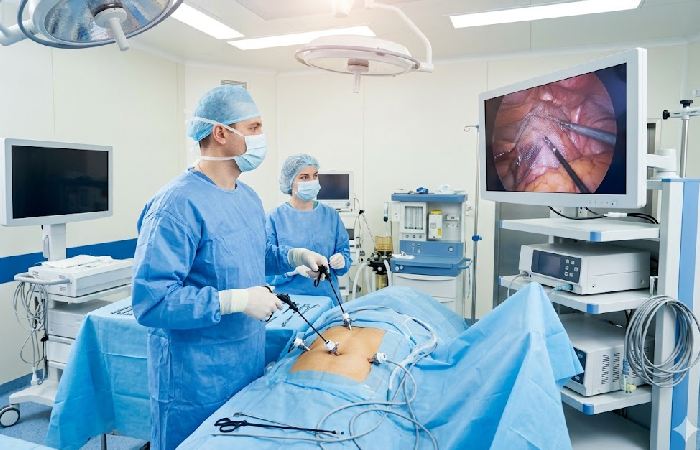
This is where the “laparoscopic” in Dr. Gehlot’s title becomes directly relevant to you.
But there’s a catch nobody mentions on clinic pages. Laparoscopic repair however doesn‘t work for all hernias. Very large hernias, obstructed or complicated hernias may still need open repair. A surgeon who offers laparoscopic repair for everything — regardless of hernia size or complexity — is prioritizing the marketing angle over your outcome.
The right call? Ask during consult: “Is laparoscopic repair appropriate for my specific hernia, and why or why not?”
Other Conditions — Gallstones, Appendix, Colorectal Cancer
| Condition | Treatment Approach | Recovery You Should Expect |
|---|---|---|
| Gallstones | Laparoscopic cholecystectomy — the gallbladder comes out entirely | 1–2 weeks to feel normal |
| Appendicitis | Laparoscopic appendectomy | About 1–2 weeks |
| Colorectal cancer | Surgical resection — exact technique depends on stage and location | 4–8 weeks minimum (but this varies a lot) |
| Acid reflux / GERD | Medication in most cases; surgery normally only in chronic medication resistant case | Depends on approach |
| Chronic constipation | The first diagnostic workup; Followed by dietary + medical management; | It’s ongoing, not a one-time fix |
| Diverticulitis | Conservative treatment handles most cases; surgery reserved for complications | 2–6 weeks if surgical |
Quick note about colorectal cancer specifically. This is not a “book a consult and get it done” situation. Cancer staging, tumor location, whether it’s spread — all of that changes the surgical plan completely. If you’re approaching GutCare for cancer treatment, ask about their oncology referral network. Do they coordinate with radiation oncologists? Medical oncologists? Post-surgical surveillance protocol? These questions matter more than the surgery itself in cancer cases.
What to Expect During a Consultation
You‘d be shocked at how many patients walk into a proctology office totally unprepared. They sit through the history, leave, and then realize, after they‘ve left, that they never remembered the three things that actually kept them awake at night.
Here’s how to not be that person.
Consultation Fee and Booking
The fee is roughly ₹950 — that number comes from Practo’s public listing for GutCare. It could’ve changed. Confirm before you go.
Three ways to book:
- Call them directly — +91-8431-550-550. Fastest option. Gets you a confirmed slot.
- Use Practo or Lybrate — both have online booking. Convenient if you hate phone calls.
- Walk in — technically possible, but a gamble. You might wait an hour. You might wait three. Book ahead.
What to Bring (and What Nobody Tells You)
Your medical records. All of them. Previous blood work, ultrasound results, colonoscopy reports — anything related to the issue. Doctors can only work with the information they have, and “I think my last report was normal” isn’t useful. Bring the paper.
Write down your symptoms before you go. When they started. What makes them worse. What you’ve tried so far — ointments, medications, dietary changes, anything. You will forget half of this the moment you sit in front of the surgeon. Written notes fix that.
Bring your insurance card and a valid ID. But — and this is the frustrating part — GutCare hasn’t publicly listed which insurance providers they accept. Call ahead with your policy details. Most private proctology clinics in Bangalore operate on reimbursement, not direct cashless billing.
And one more thing nobody mentions. Wear something comfortable and loose-fitting. A proctology consultation typically involves a physical examination. That’s standard. Nobody warns you. Consider yourself warned.
Patient Reviews — What They Actually Tell You
The headline number: 1,334+ patient stories on Practo. 99% recommendation rate. That’s a genuinely large sample for a single specialist in Bangalore.
Now let me be straight with you about what that does and doesn’t mean.
People who had a good experience write reviews. People who had a terrible experience sometimes write reviews. Everyone in the middle? They just get on with their lives. So a 99% recommendation rate reflects the people who cared enough to post — not every single patient who ever walked through GutCare’s doors.
Is the number still useful? Absolutely.
Because faking 1,300+ positive reviews is absurdly difficult. And the feedback is consistent across multiple platforms — Practo, Google, Lybrate. That many coordinated fake reviews across independent sites would be expensive, obvious, and detectable. So the volume is a legitimate trust signal.
But don’t stop at the star rating.
Read the one-star reviews specifically. Look for repeated patterns. Multiple people mentioning long wait times? That’s a real issue, not an outlier. Several complaints about rushed consultations? Worth paying attention to. One angry review about parking? Probably just noise.
And check dates. A glowing review from 2019 tells you less than a mediocre one from last month. Clinics change. Staff changes. Standards shift.
Common Mistakes When Choosing a Proctologist
Most people pick a doctor the same way they’d pick a restaurant — star ratings and whatever shows up first on Google. That works fine for dosa. Less so for surgery.
Here’s what trips people up:
- The star rating trap. 4.9 stars with 30 reviews? Meaningless. Could be family and friends. A 4.6 with 800+ reviews tells you far more. Volume matters. So does consistency across platforms.
- “Experience” without the right training. Twenty years of general surgery experience is not the same as twenty years of proctology experience. A general surgeon can perform piles surgery. But someone with a proctology-specific fellowship — like Dr. Gehlot’s F.I.S.C.P. — has chosen to train specifically in that anatomical area. Recurrence rates vary significantly depending on technique, and technique comes from specialized training.
- Never getting a second opinion. If a surgeon recommends a procedure on your first visit, there’s nothing wrong with saying “let me think about it” and seeing someone else. If the surgeon seems offended by that? Red flag. A confident specialist won’t pressure you.
- Forgetting to ask about recurrence. Particularly for fistulas and Grade 3–4 piles. “What’s the recurrence rate for the specific technique you’d use on my case?” is the single most underasked question in proctology consultations. Ask it. Every time.
- Choosing on price alone. If the surgery is cheaper in Bangalore, there could be reasons such as use of older lasers, no post-operative care, and lack of fellowship among others. I’m not saying expensive always means better. But when someone quotes you ₹20,000 less than everyone else for fistula surgery, ask specifically what’s included — and what’s not.
Who Should Consider GutCare — and Who Might Look Elsewhere
This clinic is a solid match if you’re:
- If you have a problem with your colon or local area. Such as piles, fissures, fistulas, hernia.. And you specifically want a surgeon with a coloproctology fellowship. That is the key factor here.
- Located in Bangalore or open to travel here for treatment. Open 24 hours a day 7 days a week for emergencies, as well as post operative support.
- Coming from outside India for treatment. GutCare has a dedicated medical tourism section on their website, which means they’re probably equipped for visa documentation, travel logistics, and accommodation guidance. “Probably” because I haven’t verified this firsthand — ask them directly.
- Interested in laparoscopic or laser procedures rather than open surgery. That’s their primary approach.
You should probably look elsewhere if you’re:
- Looking for a Gastro, not a surgeon. They are different, and it‘s common for people to confuse the two. GutCare is a surgical practice. IBS, Crohn’s disease, liver conditions, non-surgical acid reflux management — for those, you need someone in internal medicine or medical gastroenterology. Different doctor. Different skill set.
- Living far from Bangalore with no ability to return for post-op checkups. Surgical follow-up needs to happen in person. Phone calls and video consults help, but they can’t replace a wound assessment by the surgeon who operated on you.
- Filtering purely on cost. GutCare positions itself as a premium clinic with laser technology and fellowship-trained surgeons. If your main concern is the absolute lowest price, you‘ll find lower prices in Bangalore, but be aware of the compromise.
Final Verdict
Here’s where I land on this.
Dr. Yuvrajsingh Gehlot has the credentials — F.I.S.C.P. fellowship, MS in General Surgery, 28 years of operating. GutCare has the review volume — 1,334+ Practo stories at a 99% recommendation rate, which is hard to argue with. The clinic is designed for both locals and internationals, provides minimally invasive alternatives for the majority of conditions treated and has a multi-doctor advisory board.
I can’t answer that from a screen. Neither can any website. The only way to know is to book the ₹950 consultation, bring your records, ask every question on your list — especially the uncomfortable ones about recurrence, risks, and costs — and see how the conversation goes.
A surgeon worth trusting will explain the options without rushing. They’ll tell you when surgery isn’t necessary. They won’t push for a same-day decision.
That’s the bar. If Dr. Gehlot clears it in your consult — and the overwhelming pattern of patient feedback suggests he does — you’re in good hands.
Call +91-8431-550-550 or visit gutcareclinics.com to book.
Frequently Asked Questions
Q: What is the consultation fee at GutCare Clinics?
A: Roughly ₹950. That figure comes from Practo’s public listing, and it could’ve changed since. Call +91-8431-550-550 to confirm before you show up.
Q: Where exactly is GutCare Clinics in Bangalore?
A: 1st Floor, #4024, 13th ‘H’ Main, 1st Cross Road, HAL 2nd Stage, Indiranagar, Bengaluru – 560008. And be careful — there’s a different “Gut Care Clinic” in Basavanagudi/VV Puram run by a different doctor. Indiranagar is where you want to go if you’re looking for Dr. Yuvrajsingh’s practice.
Q: Does GutCare Clinics accept health insurance?
A: They haven’t listed accepted providers anywhere public — not on the website, not on Practo. Your best bet is to call them with your specific insurance provider name and policy number. Ask two questions (1) do they do direct cashless billing? Or (2) is it reimbursement only? Almost all private proctology clinics in Bangalore are reimbursement-based, which require you to pay and claim later. Slightly irritating but unavoidable.
Q: Is Dr. Yuvrajsingh a gastroenterologist or a surgeon?
A: Surgeon. Laparoscopic & colorectal surgeon with a proctology fellowship. He performs surgery for piles, fistulae, herniae & colorectal cancers. If your issue is IBS, ongoing acid reflux, liver disease, or anything that needs medical management rather than surgery — that’s a gastroenterologist or an internal medicine specialist. Different field entirely (though GutCare does handle acid reflux/GERD cases).
Q: Can patients from outside India visit GutCare?
A: The clinic’s website has a dedicated medical tourism page, so yes — they’ve set this up intentionally. But plan around it. Plan on spending at least a week – two in Bangalore for your post surgical visits, a week two is better. Also find somewhere to stay near Indiranagar so you‘re not trapped in the two hour auto ride around the city while recuperating. And sort out travel insurance before you book the flight — GutCare can probably advise on this, but verify.
Q: How can I check if Dr. Yuvrajsingh Gehlot’s medical registration is valid?
A: Go to the National Medical Commission’s Indian Medical Register. Search by name or registration number. It’ll confirm whether the doctor is legally authorized to practice in India. Free, takes two minutes, and you should honestly do this for every specialist — not just this one.
Disclaimer: Information provided on this page is for general information purpose only and does not replace or substitute for professional medical advice, diagnosis, or treatment. Information like consultation fees, treatment, outcome and availability may change from time to time and may be different for individual patients. Always confirm the above information from GutCare Clinics or the doctors’ office directly and always seek a second opinion from a qualified medical practitioner before making the decision to have any operation, medication or other treatment. Never ignore or delay obtaining medical advice from your own doctor because of something you read.
About the Author:
Abdul Rahman, has more than 4 years experience writing about consumer electronics, laptops and IT support solutions in Ireland and the UK. He simplifies complicated repair terms into easy, useful advice so you can be sure of your buying decisions.
Published by: www.health4fitnessblog.com a convenient source of content on business, health, technology and lifestyle that strives for relevance and use rather than sophisticated implementations and complex concepts.