
Home Blog Page 29

The Benefits of Luxury Residential Addiction Treatment

0

Seeking addiction treatment is a significant step toward recovery, and the environment in which one receives care can make all the difference. Luxury residential addiction treatment centers offer an array of benefits that cater to the needs of individuals seeking a peaceful, private, and personalized experience. From custom care plans to elegant amenities, a luxury residential treatment facility provides a conducive atmosphere for healing and recovery. Below, we explore how such environments can enhance the treatment process for individuals striving to overcome addiction.

Customized Care Plans in High-End Addiction Recovery Centers

The cornerstone of any effective addiction treatment is the customization of care. Luxury addiction treatment centers excel in creating personalized treatment plans that cater to the unique needs of each client. This tailor-made approach ensures that the underlying causes of addiction are addressed, and treatment strategies are fine-tuned to the client’s personal history, preferences, and recovery goals.

Individualization extends to all aspects of treatment, from therapy modalities to dietary needs. High-end recovery centers often have a team of multidisciplinary professionals who collaborate to design a comprehensive treatment plan. This team might include medical doctors, therapists, nutritionists, and fitness trainers, each contributing their expertise to support the client’s journey.

Beyond the standard treatments, luxury rehab programs often include alternative therapies that complement traditional methods. These may include acupuncture, equine therapy, or art and music therapy, which can be particularly effective for individuals who respond to experiential forms of healing. By offering a broad spectrum of therapeutic options, luxury rehabs open the door to new avenues of recovery.

The Healing Power of Elegant Surroundings and Amenities

Aesthetics play a vital role in the healing process, something that luxury addiction treatment centers understand well. Elegant surroundings and high-end amenities can significantly influence a person’s mindset and outlook during recovery. Being in a beautifully designed space with access to premium facilities can bolster an individual’s mental health, encouraging a sense of peace and stability.

Luxury rehabs provide amenities that go beyond the basic needs of clients, offering spa-like features including swimming pools, gyms, and gourmet dining experiences. This level of comfort not only relieves stress but can also rekindle an appreciation for self-care and healthy living. A nurturing and luxurious environment contributes to clients’ overall motivation and engagement in their treatment plans.

Moreover, being surrounded by nature’s beauty can be particularly therapeutic. Many luxury treatment centers are located in idyllic settings that promote contemplation and introspection. Access to natural beauty, whether through landscaped gardens or panoramic views, can serve as a powerful reminder of life’s beauty and potential, uplifting spirits during challenging times of recovery.

The Role of Personalized Attention and High Staff-To-Patient Ratios

Personalized attention is a hallmark of luxury addiction treatment and is facilitated by high staff-to-patient ratios. This ensures that each client receives ample one-on-one time with various members of the treatment team. The high ratio of staff to clients allows for a more attentive, responsive approach, where staff members truly get to know each person and can tailor their support accordingly.

With more staff available, treatment schedules can be more flexible, adapting to the needs and rhythms of individual clients. Whether it’s scheduling therapy sessions at the most beneficial times or accommodating personal preferences in daily routines, the focus is on what works best for the client. This level of attention helps foster a strong therapeutic relationship, which is vital for effective treatment.

Overall, luxury residential addiction treatment centers offer a unique combination of privacy, personalized care, and sophisticated therapeutic options, all set within tranquil and luxurious surroundings. These centers not only address the physical and psychological challenges of addiction but also provide an elevated experience that honors the dignity and individuality of each client. Through their comprehensive approach to recovery, luxury rehabs lay the foundation for a transformative healing journey and long-lasting sobriety.


Individual vs Group Maternity Insurance Options

0

Maternity insurance is an essential consideration for expectant parents. It offers financial protection during pregnancy, childbirth, and postpartum care.

If you’re exploring the market for maternity coverage, there are two main types to consider: individual maternity insurance and group maternity insurance. Understanding the differences, benefits, and limitations of these options can help you make an informed decision that best suits your needs.

What is Individual Maternity Insurance?

Individual maternity insurance is a health plan purchased independently by an individual or family. The best mediclaim policy for family will generally include maternity-related expenses as part of the standard coverage.

This type of policy is tailored to meet the specific needs of the policyholder and provides coverage for maternity-related expenses. Individual maternity insurance often includes benefits such as pre- and post-natal care, delivery costs, newborn care, and sometimes even coverage for complications during pregnancy.

Key features include:

Personalised Coverage

One of the main advantages of individual maternity insurance is the ability to customise the policy according to your specific needs. You can choose the level of coverage, add-ons, and benefits that align with your healthcare requirements.

Flexibility

Individual plans offer flexibility in terms of selecting healthcare providers, hospitals, and the type of maternity care you prefer. This allows you to choose a healthcare facility and doctor that you trust and feel comfortable with.

Portability

The best mediclaim policy for family that covers maternity care gives you the benefits of portability. This means that you can retain your coverage even if you change jobs or move to a different location. This is particularly beneficial for those who may experience life changes during their pregnancy.

Waiting Period

Most individual maternity insurance policies come with a waiting period before maternity benefits can be claimed. This period typically ranges from 9 months to 4 years, depending on the insurer. It’s important to plan ahead and purchase the policy well before planning a pregnancy.

Cost

Individual maternity insurance can be more expensive compared to group policies, especially if you opt for comprehensive coverage. However, the cost may be justified by the personalised care and flexibility offered by the policy.

What is Group Maternity Insurance?

Group maternity insurance is a type of coverage provided by an employer as part of a group health plan. This coverage is typically extended to all eligible employees, and in some cases, their dependents. Group maternity insurance is often included as a part of a larger healthcare insurance package, covering various medical needs beyond maternity care.

Key features include:

Cost-Effective

One of the primary benefits of group maternity insurance is its cost-effectiveness. Since the coverage is provided by the employer, employees typically pay lower premiums, and in some cases, the employer may cover the entire premium.

No Waiting Period

Unlike individual policies, group maternity insurance often comes with no waiting period, allowing you to claim maternity benefits as soon as you are covered under the policy. This can be a significant advantage for those who are already expecting or planning to start a family in the near future.

Limited Customisation

Group maternity insurance is designed to meet the needs of a diverse group of employees, which means it may not offer the same level of customisation as an individual policy. The coverage and benefits are predetermined by the employer and the insurance provider, leaving little room for personalisation.

Dependence on Employment

Group maternity insurance is tied to your employment status. If you change jobs or lose your job, you may lose your coverage, which can be a concern during pregnancy. Some employers may offer the option to continue coverage through COBRA, but this can be costly.

Coverage Limits

Group maternity insurance may have lower coverage limits compared to individual policies, meaning that certain expenses, such as advanced maternity care or specific procedures, may not be fully covered.

Comparing Individual and Group Maternity Insurance

When deciding between individual and group maternity health insurance, it’s important to consider your unique circumstances, including your employment status, financial situation, healthcare preferences, and long-term plans.

Customisation vs. Convenience

If you value personalised care and the ability to choose your healthcare providers, individual or family health insurance plans may be the better option. On the other hand, if convenience and cost savings are your top priorities, group maternity insurance provided by your employer could be more suitable.

Cost Considerations

Group maternity insurance is generally more affordable due to employer contributions, but it may come with limitations in coverage and flexibility. Individual policies, while more expensive, offer tailored benefits that can be more aligned with your specific needs.

Employment Stability

Your decision may also depend on your job stability and future career plans. If you anticipate changing jobs or moving, individual maternity insurance provides the portability and continuity of coverage that group insurance cannot.

Family Planning

Consider your family planning timeline when choosing between individual and group maternity insurance. If you’re planning a pregnancy soon and are covered under a group policy, the lack of a waiting period can be a significant advantage. However, if you’re planning further in the future, family health insurance plans may offer better long-term benefits.

The Next Step

Both individual and group maternity insurance have their own set of advantages and limitations. The best choice for you will depend on your personal circumstances, healthcare needs, and financial situation. By carefully evaluating your options and understanding the features of each type of coverage, you can make an informed decision regarding the best health insurance company in India.

For comprehensive maternity coverage, you can consider Niva Bupa’s plans. Niva Bupa is often regarded as the best health insurance company in India because of its growing customer base. The company offers options for individual and family plans as well as corporate plans that cover maternity-related expenses. Niva Bupa can thus help you safeguard your health and the health of your baby.

Confronting Addiction Stigma and Embracing Recovery

0

There’s a lingering stigma around addiction that never seems to go away. For many people, those who struggle with substance use have a fatal flaw in their character. The reality is that addiction is a chronic disease that can affect anyone from all walks of life.

Many people also fail to realize that addiction is often caused by several factors beyond one’s control. This includes genetics, childhood trauma, environmental factors, and medical conditions. And just like how other illnesses do not choose their victims, addiction doesn’t discriminate by morality, social standing, or class.

Aside from the way others look down on people with a substance use disorder, those who actually suffer from this disease need to battle the stigma they have against themselves. Learning how to fight these misconceptions proves to be one of the most effective strategies in battling addiction, how Society Stigmatizes Addiction.

Derogatory Terms and Snide Remarks

We all know how words can hurt more than actions. Being emotionally targeted, words can immensely impact how a person feels. Even those who mean well can hurt people suffering from substance use through their choice of language. For instance, many still say abuse instead of use or misuse. There can also be a vast difference between the terms former addict and person in recovery.

Struggle for Opportunity

Rebuilding a life after suffering from addiction can feel like an uphill battle. It’s not uncommon to hear about people in active use struggling to find a job or even throwing themselves back into the dating pool. They experience anxiety because of their history of substance use and past mistakes.

Healthcare Inequality

It’s an unfortunate reality that even professionals contribute to the prevalent stigma around addiction. Healthcare workers may have reservations about patients suffering from substance use. This can lead to misdiagnosis, improper medication, or even getting completely ignored. In such cases, find the courage to advocate for yourself and find healthcare professionals you can fully trust.

Social Isolation

Many people with substance use disorder often experience getting treated as an outcast. Even once close friends and family decide it’s no longer a good idea to be around them. Several misconceptions about addiction are to blame for this stigma. These include viewing those in recovery as weak and morally bankrupt. Many even consider relapse as a failure.

4 Steps to Fighting the Stigma

1. Understand and accept yourself

The first and most crucial step is learning how to fight your internalized stigma. Failing to understand and accept yourself makes it more challenging to end the stigma others may have against you. Take time to self-reflect and get honest with yourself. Be brave enough to know when it’s time to get yourself into an alcohol, drug, and gambling rehab in Brisbane.

2. Find someone to share your experience

Breaking free from the grip of addiction becomes doubly difficult when you can’t talk about it with anyone. Conversations around recovery and rehabilitation with others who don’t understand what you’re going through don’t inspire much hope. HARP Rehab Brisbane recommends that rather than isolating yourself, take a proactive approach and find a recovery community.

3. Educate others

Don’t think that you’re not in a position to educate others just because of your substance use. It’s best to humanize the disease and correct those around you when they use disparaging terms. As more people understand the reality behind addiction, we get closer to de-stigmatizing it altogether.

4. Share messages of positivity

Letting other people know you’re not losing hope can inspire them in their recovery journey. It doesn’t matter if you’re still in the middle of your rehab Brisbane program. The mere act of sharing your positivity is enough to send ripple effects throughout the recovery community.

Stigmatizing addiction is one of the most significant barriers to battling this chronic disease. Putting an end to the many misconceptions about addiction takes a collective effort. It all starts with you and getting the professional help you need. And once you’re ready, advocate for other people in active addiction or recovery. It’s only through being open about addiction that we will all become better at fighting it.

Apple Cider Vinegar and Baking Soda Cleaning Power

0

Introduction:

Different groups of people throughout the world use the cleaning mixture of apple cider vinegar (ACV) and baking soda as an efficient solution with beneficial health outcomes. The following guide demonstrates how to correctly utilize apple cider vinegar together with baking soda to accomplish challenging household cleaning operations by providing a safe and effective method. The instructions here will be thorough but also contain safety guidelines along with rules about materials and detailed steps for execution.

Introduction

Part 1: Why Does This Combination Work? (The Basic Chemistry)

  • Briefly explain the reaction: The chemical reaction between acetic acid from ACV and sodium bicarbonate results in sodium acetate, water, and carbon dioxide production.
  • The fizzing reaction releases carbon dioxide gas, which serves as a powerful agent for removing dirty and filthy residuals.
  • The mixture produced has less acidic properties than pure ACV, so it turns out to be safer for select surfaces.

Part 2: Unclogging Drains with Apple Cider Vinegar and Baking Soda

Step-by-Step Instructions:

  • Remove any standing water.
  • Pour 1 cup of baking soda down the drain.
  • Follow with 1-2 cups of hot (but not boiling) apple cider vinegar.
  • Let it fizz for 30 minutes.
  • Flush with very hot tap water.
  • Repeat if necessary.

Safety Precautions:

  • Never use this method after using commercial drain cleaners (dangerous chemical reactions).
  • Wear gloves and eye protection.
  • Ensure good ventilation.
  • Don’t use boiling water (it can damage PVC pipes).
  • When to Call a Plumber: Explain when a clogged drain is beyond the scope of this DIY solution.

Part 3: Cleaning Grout with Apple Cider Vinegar and Baking Soda

Making the Paste:

  • Mix baking soda with a small amount of ACV to form a thick paste.

Application:

  • Spread the grout paste over the area where the grout lines run.
  • Allow the compound to remain on the grout lines between 15 to 20 minutes.
  • Scrub with a grout brush or old toothbrush.
  • Rinse thoroughly with water.
  • Testing on a Small Area: Always test a small hidden section first before applying the paste because it ensures the protection of the grout and tiles around it.
  • Sealing Grout: Professional recommendation suggests that you should apply a grout sealer after finishing the cleaning procedure to protect against future stains.

Part 4: Removing Hard Water Stains

Dilution: Mix a solution of 1 part ACV to 1 part water.

Application:

  • Spray the solution onto the hard water stains.
  • Let it sit for 5-10 minutes.
  • Wipe with a clean cloth or sponge.
  • Rinse thoroughly with water.
  • Stubborn Stains: Make a paste of baking soda and ACV and apply it directly for stubborn stains.
  • Material Compatibility: List surfaces where this is safe (e.g., glass shower doors, ceramic sinks, chrome faucets) and surfaces to avoid (e.g., natural stone, marble).

Part 5: Deodorizing Carpets and Rugs

Sprinkling Method:

  • Sprinkle baking soda liberally over the carpet or rug.
  • Let it sit for at least 15 minutes (or overnight for more pungent odors).
  • Vacuum thoroughly.
  • ACV Spray (Optional): For a deeper clean, lightly mist the carpet with a diluted ACV solution (1 part ACV to 2 parts water) after vacuuming up the baking soda. Do not saturate the carpet.
  • Spot Testing: Always spot test in an inconspicuous area first.

Part 6: Other Cleaning Uses (Briefly Mention)

  • Cleaning coffee makers (diluted ACV solution)
  • Cleaning microwaves (bowl of ACV and water, heated)
  • Deodorizing trash cans (baking soda at the bottom)

Conclusion:

Adding apple cider vinegar and baking soda creates a cleaning solution that maintains environmental awareness. Carefully following the specific cleaning guidelines combined with safety protocols enables you to deal with home cleaning duties devoid of chemical cleansers. First, check a small portion before using the ingredients and take precautionary measures during mixing.

Angular Cheilitis vs Cold Sore: Prevention & Treatment

0

Introduction

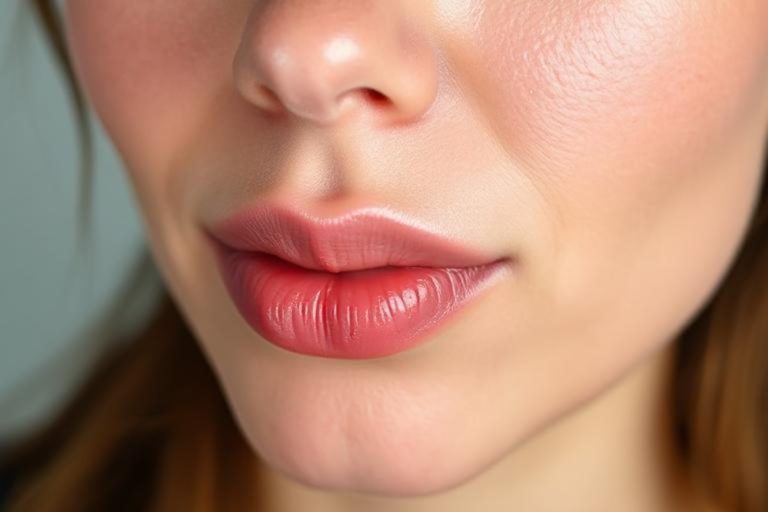
Cold sores and angular cheilitis affect the mouth region separately because each has distinct origins that need exclusive treatment remedies. Angular cheilitis creates inflammation in the mouth corners, yet cold sores develop from the herpes simplex virus infection. The article gives detailed information about angular cheilitis and cold sore prevention and treatment by providing prevention related to various causes in combination with holistic therapeutic methods.

Understanding Angular Cheilitis

Understanding Angular Cheilitis

What is Angular Cheilitis? Angular cheilitis represents a skin infection that brings about painful mouth cracks and dryness affecting the mouth corners. Doctors refer to it both as angular stomatitis and perleche. The characteristic feature that separates angular cheilitis from cold sores is its inability to spread from one person to another.

  • Angular cheilitis develop mainly because of saliva accumulation at the mouth’s sides that causes skin drying and subsequent breakage. This can be exacerbated by:
  • Fungal infections, especially Candida.
  • Bacterial infections, such as Staphylococcus.
  • The condition can arise from inadequate nutrient intake which includes B vitamins and iron together with zinc.
  • Ill-fitting dentures or misaligned teeth.
  • Allergies or irritants.
  • Underlying conditions like diabetes or immune disorders.

Symptoms: Angular cheilitis produce small blisters while causing stiffness and uneasiness, together with redness and puffiness of the corners of the mouth, dryness, cracking, swelling, and sores at these locations.

Prevention Strategies Tailored to Specific Causes

  • For Fungal Infections: Preventing Candida overpopulation requires proper oral care to maintain good hygiene status. Dietary adjustments targeting yeast-supporting foods should also include research about how probiotics affect the oral microbial community balance.
  • For Bacterial Infections: Those with bacterial infections must control their eczema symptoms because this skin condition raises their susceptibility to bacterial infections.
  • For Nutritional Deficiencies: Your focus for treating nutritional deficiencies should be on eating a balanced diet while supplying adequate quantities of B vitamins along with minerals as well as iron and zinc. Consider supplementation if necessary.
  • For Contact Dermatitis: People with contact dermatitis should identify which lip balm ingredients, foods, or environmental factors result in their condition. They need to avoid these specific irritants.

Holistic and Natural Treatment Approaches

For Angular Cheilitis:

  • Regular cleaning of the involved region should be maintained while preventing the corners of the mouth from licking.
  • Patients should exercise careful use of tea tree oil as a natural antifungal treatment.
  • Patients can ease inflammatory reactions by applying aloe vera gel to the affected area.
  • Consider herbal mouthwashes.
  • Apply unscented and unflavored lip balms like petroleum jelly or virgin coconut oil.

For Cold Sores:

  • Combine supplements, antiviral medications, and topical treatments.
  • Explore lysine supplements.
  • Try lemon balm extracts.
  • Use propolis as a complementary therapy.

The Impact of the Oral Microbiome

A balanced makeup of oral bacteria acts to protect people from both angular cheilitis and cold sore outbreaks. The equilibrium of oral bacteria is affected by dietary choices alongside oral care routines and medicinal drugs, so individuals become more prone to developing these health issues. People should consume fermented foods using probiotic mouthwashes to build a healthy oral microbiome.

Psychological Impact and Coping Strategies

Patients experience emotional distress because angular cheilitis and cold sores quickly show up on their faces. The management of cold sore outbreaks requires both recognition of emotional stress and implementation of stress reduction techniques.

When to Seek a Specialist?

You should visit a dermatologist or dentist for medical help when your symptoms worsen, or your at-home remedies fail to improve the condition. In difficult situations, medical personnel need to arrange laboratory tests and diagnostic procedures and execute biopsies.

Prevention of Angular Cheilitis

  • Avoid allergens and irritants.
  • Eat a balanced diet and drink 6-8 glasses of water daily.
  • Keep lips moisturized.
  • Avoid licking lips.
  • Avoid using expired makeup products.

Conclusion

Angular cheilitis, together with cold sores, represent separate medical conditions that require different methods for prevention and treatment. Knowledge of particular trigger factors combined with specific intervention methods enables people to successfully handle and enhance their life quality regarding these conditions.

Ancient Grain in a Healthy Cereal: Modern Guide

0

Introduction

Modern society appreciates ancient grains because they offer nutritional value as well as their historical significance. This article explores the practical usage of ancient grains in both cereals and other dietary items to examine taste sensation development and unique recipes along with sustainable acquisition methods.

Why Ancient Grains in Cereal? The Untapped Potential?

Why Ancient Grains in Cereal: The Untapped Potential?

The nutritional aspects of ancient grains remain underspecified in most breakfast cereal ads despite their distinctive value. The following part demonstrates specific characteristics that make these grains suitable for preparing cereals.

  • Enhanced Nutrient Density: Amaranth teff and quinoa possess superior nutrient content along with high fiber and vitamin and mineral density above refined grain options found in commercial breakfast products.
  • Unique Flavors and Textures: You can discover various flavors and textures of ancient grains because farro presents a nutty taste, but quinoa is characteristically mild, which makes cereal dishes more sophisticated.
  • Gluten-Free Options: Innovative Gluten-free Options present a wide assortment of ancient grains (quinoa, millet, fonio, sorghum, amaranth, and teff) because they accommodate people who need to follow specific diets.

Taste Test and Texture Exploration

It examines how different ancient grains feel in a ceralized format and which taste characteristics stand out.

  • Amaranth: Offers a slightly nutty flavor with a chewy texture. The distinct taste of amaranth requires limited usage because it becomes overpowering in more significant amounts.
  • Quinoa: Mild and slightly earthy. A versatile option for both sweet and savory cereals.
  • Teff: A subtly sweet flavor with a fine texture. Adds a unique mouthfeel to cereals.
  • Millet: Mild and slightly corn-like. Works well in granola or puffed cereal formats.
  • Khorasan Wheat (Kamut): Rich and nutty with a chewy texture. Ideal for hearty, high-fiber cereals.

Beyond the Bowl: Innovative Ways to Use Ancient Grains

This section demonstrates creative food recipes using these grains, which go past essential cereal consumption.

  • A mix of ancient grains with nuts and seeds and natural sweeteners makes up Ancient Grain Granola Bars.
  • People can make savory breakfast bowls by adding vegetables and spices to ancient grains to obtain protein-rich meals.
  • You should develop gluten-free pancakes and muffins with bread by mixing ancient grain flours like teff sorghum and amaranth flour.

Sustainable Sourcing and Ethical Considerations

Food source information has become a growing concern that interests modern consumers. Discuss the importance of:

  • The use of fair trade practices enables farmers to get sustainable support for their cultivation of ancient grains.
  • Consumers should select organic ancient grains because this choice reduces their contact with pesticides and herbicides.
  • The cultivation of fonio grains and similar adapted types supports biodiversity because they thrive in demanding conditions.

DIY Ancient Grain Cereal Recipes

Users need simple directions to create your ancient grain cereal products with these steps:

  • You should prepare the Quinoa Flake Cereal by toasting quinoa flakes with combined nuts and seeds and adding dried fruit and spices to create custom options for breakfast.
  • The preparation of amaranth porridge includes boiling amaranth with water or milk, followed by adding fresh fruit and honey with nuts on top.
  • Begin your breakfast with light and healthy teff pancakes made from teff flour mixed with additional gluten-free flour and eggs together with milk.

The Future of Ancient Grains in the Modern Diet

The potential merits of ancient grains for future dietary incorporation require investigation regarding health advantages, sustainability benefits, and food industry developments.

Conclusion

The dietary and preparation advantages of ancient grains constitute a valuable collection of benefits. A better, more environmentally friendly future will emerge from our complete grasp of ancient grain characteristics combined with discovering unique culinary uses for these ingredients.

Ultrasonic Cavitation and Radiofrequency Treatments

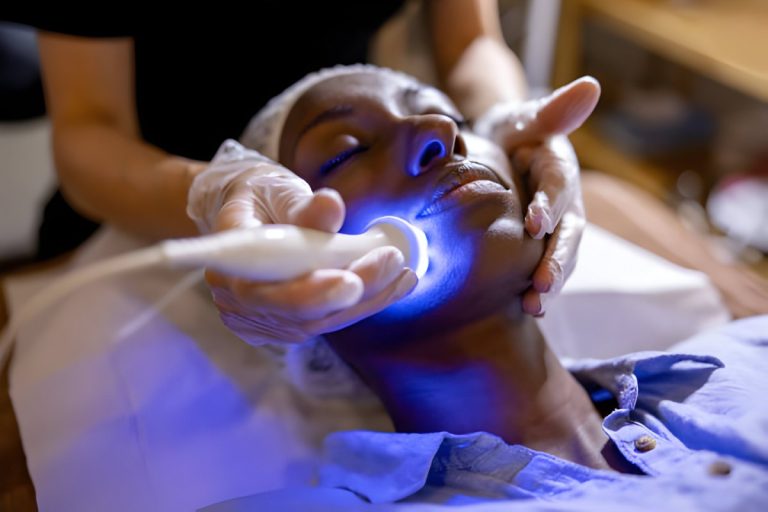
Ultrasonic cavitation machine treatment and radiofrequency (RF) treatments are two popular non-invasive body contouring and skin restoration treatments as often discussed. Both strategies are favored since they can improve skin texture and change the body without requiring surgery. In any case, they have different goals and capacities according to other standards.

Knowing the qualifications between these two methods will empower you to select the one that best accomplishes your desired stylish results.

Ultrasonic Cavitation: How it Works?

In ultrasonic cavitation machine treatment, commonly referred to as ultrasound lipolysis, low-frequency ultrasound waves target and crush fat cells in particular body districts. The fat cells implode due to the little bubbles these waves cause inside them. The fat is changed over into a fluid that the body can actually expel through the lymphatic system by a preparation known as cavitation, which harms the fat cell membrane.

Advantages:

  • Fat decrease: The decrease of localized fat deposits is the main advantage of ultrasonic cavitation. It works well on the arms, buttocks, thighs, and abdomen.
  • Non-Invasive: Since it’s not a surgical operation, there’s no need for anesthesia, incisions, or recovery time.
  • Fast Results: Several people report feeling better after just a few sessions, although several treatments are usually necessary to achieve the best effects.

Restrictions:

  • Not a Weight Loss Solution: Although it can help reduce fat in particular places, losing weight cannot be achieved alone. It is most effective for people with stubborn fat pockets already nearing their optimum weight.
  • Several Sessions Are Required: To attain the intended outcomes, several sessions—typically six to twelve—are required.
  • Appropriate candidates: Ultrasonic cavitation may be a great alternative for those who need to form their physique and lose localized fat stores without surgery. It is reasonable for most skin sorts; however, patients must be in for the most part excellent wellbeing.

Radiofrequency (RF) treatments- /How do they Work?

Radiofrequency (RF) treatments create heat within the skin’s deeper layers utilizing electromagnetic waves. The creation of collagen and elastin, two proteins necessary for protecting the suppleness and firmness of skin, is fortified by this heat. In expansion to improving skin texture over time, the controlled heating helps fix collagen strands already in the skin. This results in an immediate tightening effect.

Advantages:

  • Skin Tightening: Radiofrequency (RF) treatments work wonders to tighten sagging or loose skin on the body, face, and neck.
  • Wrinkle Reduction: Radiofrequency (RF) treatments can minimize the appearance of fine lines and wrinkles by inducing the creation of collagen.
  • Non-Invasive: RF treatments don’t involve surgery, anesthesia, or recovery time, much like ultrasonic cavitation.
  • Versatility: RF is a versatile technique that may be used to treat skin laxity and enhance overall texture in various body regions, including the face.

Restrictions:

  • Gradual Results: Although there is some noticeable tightness right away, the full effects of radiofrequency treatments usually become apparent over a few months as new collagen grows.
  • Maintenance Required: Periodic maintenance sessions could be required to maintain results.
  • Suitable Candidates: Radiofrequency treatments are perfect for improving skin texture, minimizing wrinkles, and improving skin laxity. They are ideal for all skin types, especially those starting to show signs of age.

The Difference Between Ultrasonic Cavitation and Radiofrequency Treatments

  Ultrasonic Cavitation Radiofrequency Treatments
Comparing the Goals of the Two Treatments: This method primarily targets and minimizes fat deposits in particular body parts. This modality targets the creation of collagen to tighten and improve the skin’s texture.
Method: This technique breaks down fat cells using low-frequency ultrasound vibrations. Electromagnetic waves produce heat and stimulate collagen in the deeper layers of skin.
Areas of Treatment: Ultrasonic cavitation includes the arms, thighs, buttocks, and abdomen. This treatment can treat wrinkles and laxity of the skin on the face, neck, and other body regions.
Direct Effects: After a few sessions, fat reduction is noticed. Instantaneous skin tightening that lasts for several months.
Extended-Duration Maintenance: To maintain benefits, ultrasonic cavitation may need treatments and maintenance sessions. To preserve the firmness and texture of the skin, periodic maintenance treatments are required.

In summary

Radiofrequency treatments and ultrasonic cavitation machine treatment give noteworthy advantages for non-invasive body forming and skin renewal. Whether you need to fix and improve the surface of your skin or remove fat in specific parts of your body will determine which option is best for you.

Talking with an experienced specialist can help you choose which strategy best suits your requirements and guarantee you get the intended outcomes securely and efficiently.

Mobile Hospital Facilities: Revolutionizing Emergency Healthcare

0

When mass casualty incidents happen—for instance, a natural disaster, an industrial accident, or a ghastly act of terrorism—hospitals are quickly filled with injured patients.

Emergency response could take time, and the nearest available medical facility could be miles away.

In these situations, a mobile field hospital could help provide emergency health care without delay.

Mobile hospitals are essentially medical facilities on wheels. They’re packed with cutting-edge equipment and staffed by skilled professionals.

So, how are they transforming emergency healthcare delivery?

Let’s discuss some scenarios where these ambulant medical units are making a difference:

What are Mobile Hospital Facilities, and How Do They Work?

Mobile hospitals are self-contained medical units designed for rapid deployment and operation in diverse settings.

As such, they come in various sizes and configurations, from vans equipped for basic health care to full-fledged medical trailers housing operating rooms and intensive care units.

Here’s how they usually work:

Deployment

These units are designed for quick setup, often taking just a few hours to become operational—like a field hospital in rural areas.

Deployment - Mobile hospitals

Self-Sufficiency

Many mobile hospitals are equipped with generators, water purification systems, and waste disposal units, allowing them to function independently of local infrastructure.

Equipment and Supplies

These units are stocked with essential medical equipment, from basic devices like a folding hospital bed to diagnostic tools like X-ray machines, laboratories, surgical equipment, and medications.

Staffing

Mobile units are staffed by qualified medical teams, such as doctors, nurses, paramedics, and technicians, ensuring a high standard of care.

These equipped mobile units can be driven or airlifted into disaster zones, rural areas lacking hospital access, or anywhere a temporary medical facility is required.

Making Emergency Healthcare More Accessible

Some people choose to skip urgent care for various reasons, but the remoteness and costs are top of the list. A 2022 survey revealed that 38% of Americans either avoided or procrastinated getting emergency medical services because they couldn’t afford them.

Bringing emergency services at the right time and place addresses these concerns. A mobile health unit can be used for the following purposes:

1. Bridging the Gap in Remote Areas

Accessibility is a major hurdle in many parts of the world.

Rural communities often lack adequate healthcare facilities, forcing residents to travel long distances for basic medical attention.

Mobile hospitals bridge this gap by bringing essential healthcare services directly to people’s doorsteps.

For instance, a mammogram screening unit can stay in a remote village.

Similarly, a dental clinic or oral health services unit can be deployed in an underserved area.

These mobile units provide crucial preventive and diagnostic care, potentially saving lives through early detection.

2. Provide Lifesaving Care in Disaster-Hit Communities

Natural disasters can wreak havoc on infrastructure, including hospitals.

Mobile units, designed for swift deployment, can be crucial in the aftermath of earthquakes, floodings, wildfires, and hurricanes.

Their mobility allows these units to be pre-positioned ahead of predicted disasters, ensuring medical care is standing by before the first patient arrives.

Equipped for triage, treatment, and even surgery, these mobile emergency care facilities provide immediate medical support to those affected.

Their self-sufficiency allows them to operate in areas with compromised utilities.

3. Taking Strain Off Communities’ Emergency Healthcare Resources

Beyond patient care, mobile hospitals help reduce the immense strain disasters place on impacted communities.

When local hospitals aren’t working at full capacity, there’s always room for lesser emergencies like childbirth.

A mobile unit’s self-sufficiency also means other utilities and staff aren’t overtaxed or stretched thin responding to the crisis.

Communities investing in mobile hospital capabilities get peace of mind knowing these highly capable units are ready to be deployed at a moment’s notice when disaster strikes.

4. Advanced Capabilities for Enhanced Emergency Response

While basic mobile hospitals have existed for years, advanced units have appeared, ready for deployment in specific situations.

For example, a few specialty field hospitals with isolation modules were deployed during the COVID-19 pandemic.

Additionally, some mobile medical units have automated laboratories or sophisticated imaging capacities that allow remote monitoring.

Mobile intensive care units (MICUs) are equipped with ventilators, cardiac monitors, and advanced life support systems.

With these pieces of equipment, paramedics and critical care nurses can administer lifesaving interventions while transporting patients to a full-fledged hospital—significantly improving patient outcomes

5. Specialized Care on the Move

Mobile hospitals aren’t limited to emergencies. They offer a versatile platform for delivering specialized care, including chronic disease management.

For instance, a mobile ophthalmology clinic is equipped for eye exams and cataract surgeries, bringing vision back to a community in need.

Similarly, mobile mental health units can provide crucial support in areas with limited access to psychiatrists or therapists.

6. Proactive Medical Support in Public Events

Large gatherings like concerts, marathons, and sporting events often require on-site medical support.

Mobile clinics provide immediate patient care for minor injuries, heatstroke, or allergic reactions, preventing escalation and ensuring a safe environment for everyone involved.

Proactive Medical Support

Wrapping Up

Emergency healthcare response can literally spell the difference between life and death— and accessibility plays a key role.

What began decades ago as basic field hospitals have rapidly evolved into cutting-edge mobile facilities providing high-quality care in the most challenging environments.

As technology continues to advance, so are their lifesaving possibilities.

However, despite these benefits, mobile hospitals aren’t meant to replace brick-and-mortar medical facilities.

Think of these movable units as their equally capable extension, saving lives in situations where every second counts.

error: Content is protected !!