You feel fine. No alarming symptoms, no urgent reason to see a doctor. So is a whole body test really necessary, or just another marketed “health package”?
Many serious conditions — diabetes, heart disease, thyroid disorders, early kidney disease, even fatty liver — can develop quietly for years before you notice anything. By the time symptoms show up, you may have already missed the easiest window to reverse or control them.
A whole body test gives you a structured snapshot of your internal health in one visit: blood tests, organ function, urine analysis, and sometimes heart and imaging tests. This guide explains what a whole body test includes, who really needs it, how much it costs, how to prepare, and — importantly — when it is not a good idea, so you can decide with your doctor instead of just buying a package.
Who this is for: Adults considering their first comprehensive health screening, anyone setting an annual health baseline, and people wondering which tests are actually worth doing.
Table of Contents
Key Takeaways
- What it is →*A comprehensive set of blood, urine, and organ function tests to assess your overall health status.
- What’s included → CBC, lipid profile, thyroid panel, liver and kidney function, blood sugar, vitamins, urinalysis — and optionally ECG, X-ray, or ultrasound.
- Who benefits most → Adults 30+, people with a family history of chronic disease, or anyone who hasn’t had a checkup in 2+ years.
- Main risks → False positives, overdiagnosis, and unnecessary follow‑up tests; not a substitute for a doctor visit when you have symptoms.
- How often → Every 1–2 years for most adults over 30; every 2–3 years for low‑risk individuals under 40, unless your doctor advises differently.
## What Is a Whole Body Test?
### How Is It Different from a Regular Doctor Visit?
## What Does a Whole Body Test Include?
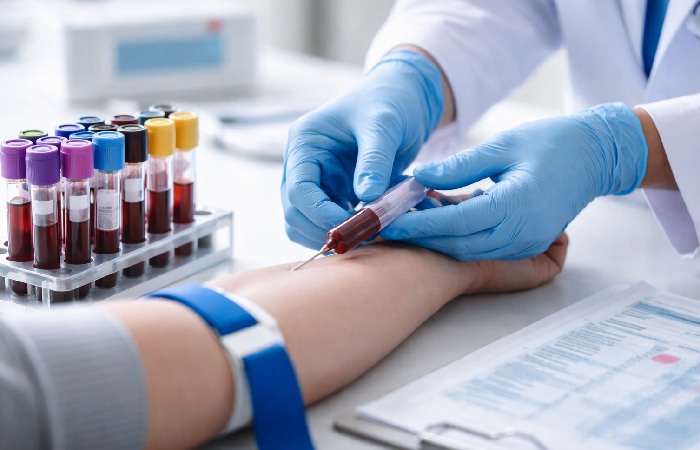
### Blood Tests
- Complete Blood Count (CBC):** Measures red and white blood cells, hemoglobin, and platelets. Detects anemia, infections, and blood disorders.
- Lipid Profile:** Total cholesterol, LDL (bad), HDL (good), and triglycerides. Helps estimate cardiovascular risk — high LDL with low HDL and high triglycerides is an important warning pattern, especially with other risk factors.
- Thyroid Panel (TSH, T3, T4):** Thyroid dysfunction is extremely common and widely underdiagnosed. These markers detect both underactive (hypothyroidism) and overactive (hyperthyroidism) thyroid conditions.
- Liver Function Tests (LFT):** Measures enzymes like SGOT, SGPT, bilirubin, and albumin to evaluate liver health. Elevated liver enzymes can indicate fatty liver disease, alcohol damage, or medication side effects.
- Kidney Function Tests (KFT/RFT):** Creatinine, urea, and uric acid indicate how well the kidneys are filtering waste. Early kidney stress shows up in bloodwork long before any symptoms appear.
- Blood Glucose / HbA1c:** Fasting blood glucose gives a snapshot; HbA1c reveals your average blood sugar over the past 2–3 months, making it far more useful for diagnosing prediabetes or monitoring diabetes management.
- Vitamin & Mineral Levels:** Vitamin D, B12, iron, and folate deficiencies are common and can contribute to fatigue, bone loss, nerve problems, and a weaker immune response over time.
- Inflammatory Markers (CRP, ESR):** C-reactive protein and erythrocyte sedimentation rate can flag ongoing inflammation or infection, but they are non‑specific and always need clinical context.
### Urine Tests
### Imaging and Cardiac Tests
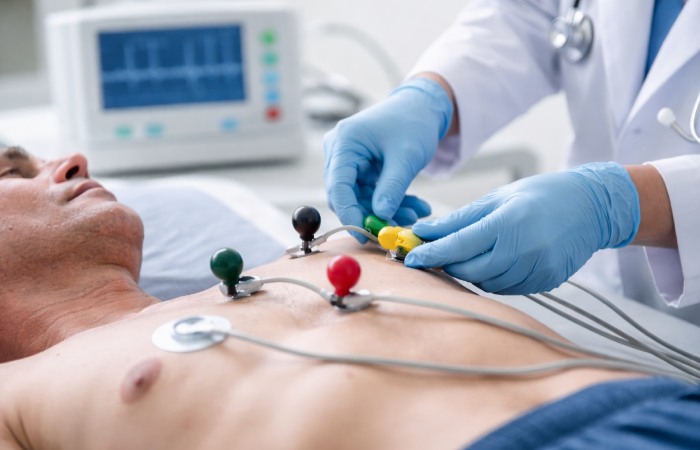
- Electrocardiogram (ECG):** Records the heart’s electrical activity. Detects arrhythmias, prior heart attacks, and structural abnormalities.
- Chest X-Ray:** Checks lung and heart structure. Useful for detecting enlarged heart, fluid, or early lung abnormalities.
- Abdominal Ultrasound:** Sound-wave imaging of the liver, kidneys, gallbladder, spleen, and pancreas. Radiation-free and effective for identifying cysts, stones, or organ enlargement.
These tests are usually added based on age and individual risk, and are most useful when recommended by a doctor rather than bundled as routine add‑ons.
### Gender-Specific Add-Ons
- For women:** Pap smear (cervical cancer screening), breast examination or mammography, pelvic ultrasound
- For men:** Prostate-Specific Antigen (PSA) test for prostate health assessment
These tests are part of standard age‑ and risk‑based cancer screening in many guidelines, but they are not one‑size‑fits‑all; timing and frequency should follow local recommendations and your doctor’s advice.
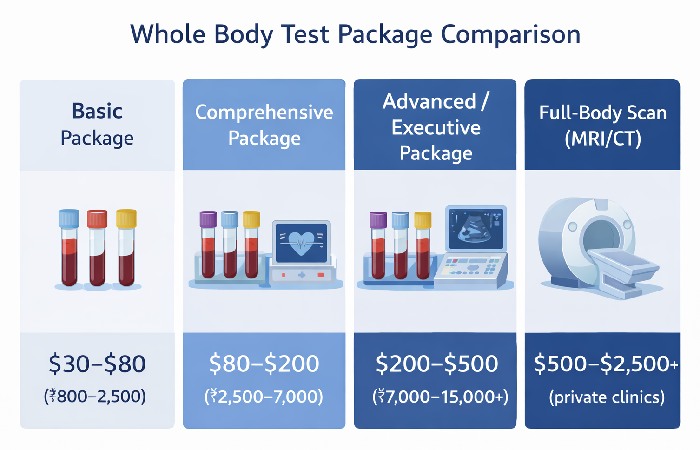
## Package Types and Typical Costs
| Package Tier | Typical Tests Included | Approximate Cost |
|---|---|---|
| Basic | CBC, lipid profile, blood sugar, urinalysis (~30–50 tests) | $30–$80 (₹800–₹2,500) |
| Comprehensive | All basic + thyroid, liver, kidney, vitamin D/B12, HbA1c, ECG (~80–100 tests) | $80–$200 (₹2,500–₹7,000) |
| Advanced / Executive | All comprehensive + imaging (X-Ray, ultrasound), cardiac stress test, cancer markers | $200–$500+ (₹7,000–₹15,000+) |
| Full-Body Scan (MRI/CT) | Detailed imaging of organs and soft tissue | $500–$2,500+ (private clinics) |
### Is It Covered by Insurance?
Coverage is highly variable. Routine blood panels ordered by a physician for specific risk factors are often eligible for coverage, but package‑based preventive checkups, full‑body scans, and executive health programs are frequently self‑pay. Review your policy’s preventive benefits and ask whether you need a doctor’s order for reimbursement.
## Benefits of a Whole Body Test
### Early Detection Before Symptoms Appear
### Establishing a Personal Health Baseline
### Peace of Mind — and When It’s Earned
## How to Prepare for Your Whole Body Test
### Before the Test
- Fast for 8–12 hours before your appointment. Water is fine; coffee, juice, and food can alter glucose and lipid readings (HbA1c itself does not require fasting, but other tests in the panel do).
- List your current medications.** Some drugs affect liver enzymes, thyroid readings, and cholesterol results. Your provider needs this context.
- Avoid intense exercise** the night before — it can temporarily elevate creatinine and liver enzymes.
- Bring your medical history:** Prior test results, family history of chronic disease, and any symptoms you’ve noticed.
- Stay hydrated** — it makes venipuncture easier and urine sample collection more reliable.
### During the Test
If anything is unclear, ask the technician to explain each step before they proceed so you know exactly what is being done and why.
### After the Test — Understanding Your Results
## Risks and Limitations You Should Know
### False Positives and Overdiagnosis
### Radiation Exposure from Imaging
Full‑body CT scans expose you to ionizing radiation at doses significantly higher than a standard X‑ray, especially if repeated over time. For routine, asymptomatic screening without a specific clinical question, the potential long‑term risk from cumulative radiation and the likelihood of incidental findings are important reasons to be cautious. MRI scans avoid radiation entirely but are more expensive and may still reveal incidental findings that need further workup.
### When Full Body Tests Are NOT Recommended
- You have a specific symptom that needs a targeted diagnosis — see a doctor for a focused evaluation instead of self‑ordering a broad package.
- You’ve already had comprehensive testing within the past 6–12 months.
- You’re under 25 with no significant family history or risk factors — most tests will return normal, and false positives can cause disproportionate anxiety.
- Major medical organizations discourage routine full‑body CT or MRI scans to look for cancer in healthy people without symptoms or specific clinical indications.
## Common Mistakes to Avoid
- Treating normal results as a “clean bill of health.”** Tests have limits. A normal lipid panel doesn’t rule out cardiovascular risk driven by inflammation, genetics, or lifestyle factors outside the test window. A normal report does not replace regular checkups, age‑appropriate screening, or paying attention to new symptoms.
- Choosing a package by price alone.** The cheapest 30-test panel often omits thyroid function, vitamin levels, and HbA1c — the markers most commonly abnormal in otherwise healthy adults.
- Not sharing results with a doctor.** Lab results need clinical context. A creatinine of 1.3 mg/dL is irrelevant noise or a concerning trend depending on your age, muscle mass, and trajectory.
- Testing once and never again.** The value of preventive testing is longitudinal. A one-time snapshot has limited use without follow-up.
## Who Should Get a Whole Body Test?
### Best For:
- Adults **30 and older** as part of an annual health routine.
- Anyone with **family history** of heart disease, diabetes, thyroid disorders, or cancer.
- People with a **sedentary lifestyle**, high-stress job, or poor sleep patterns.
- Those who **haven’t had a checkup in 2+ years**.
- Individuals with vague symptoms (persistent fatigue, unexplained weight changes, brain fog) who are already planning to discuss these with a doctor and want baseline labs to support that visit.
- Anyone wanting to establish a **personal health baseline** before making major lifestyle changes.
### Not Ideal For:
- Generally **healthy individuals under 25** with no risk factors — most results will be normal; the benefit doesn’t justify the cost and potential false-positive stress
- People seeking diagnosis for **specific symptoms** — you need a targeted clinical workup, not a general package
- Those who have had **comprehensive testing recently** (within 6–12 months) without significant health changes
- Anyone considering **full-body CT scans** without a physician’s recommendation — radiation exposure and incidental finding risks apply
## Final Verdict
A whole body test can be a practical investment in your long‑term health — when used appropriately and interpreted with your doctor.
For adults in their 30s and beyond, a comprehensive blood panel covering CBC, lipid profile, thyroid, liver, kidney, blood sugar, and key vitamins can provide useful information at a reasonable cost. Depending on your personal risk factors and your doctor’s advice, you might add an ECG and abdominal ultrasound.
Skip the full‑body CT scan unless your physician recommends it for a clear reason, such as specific symptoms or a strong risk pattern. The evidence for routine full‑body imaging in otherwise healthy, asymptomatic people is limited, and the risks of radiation and incidental findings are real.
## Frequently Asked Questions
Q1: What is included in a whole body test?
Q2: Should I fast before a whole body test?
Q3: How often should you get a whole body health checkup?
Q4: Are whole body tests covered by insurance?
Q5: What are the risks of a full body test?
Q6: How long does a whole body test take?
About Health4fitnessblog
Health4fitnessblog publishes practical, easy-to-understand content on health, technology, business, marketing, and lifestyle. Articles are based mainly on reputable, publicly available information, with AI tools used only to help research, organise, and explain topics more clearly so the focus stays on real‑world usefulness rather than jargon or unnecessary complexity.
Disclaimer:
This article is for general information and education only and is not a substitute for professional medical advice, diagnosis, or treatment. Always consult a qualified healthcare provider with any questions you have about your health, test results, or a medical condition. Never ignore or delay seeking medical advice because of something you have read here.