Home Blog

Cigalike Starter Kits: The Simplest Path to Switching from Smoking

0

Making the switch from cigarettes to vaping can feel daunting with the overwhelming array of devices, settings, and options available today. Whilst advanced vape systems offer customisation and power, they often intimidate newcomers who simply want a straightforward alternative to smoking. Cigalike starter kits address this need perfectly, offering the most intuitive transition experience without technical complexity or steep learning curves.

Understanding Cigalike Devices

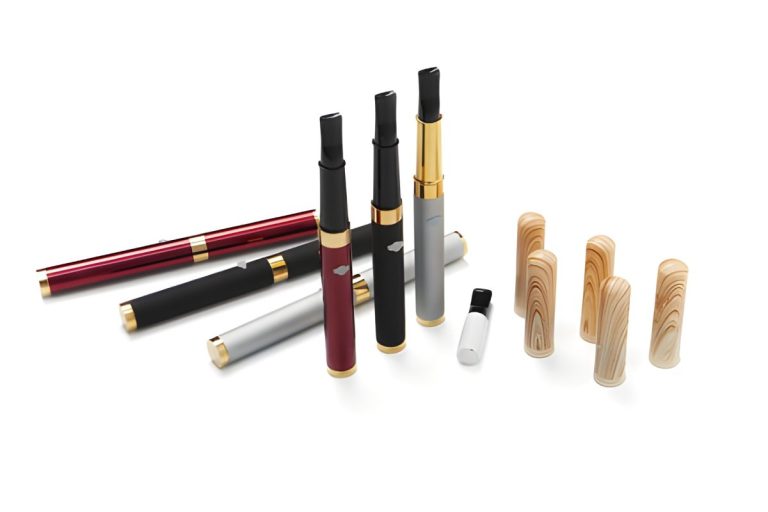
Cigalike vapes earned their name through deliberate design—they closely resemble traditional cigarettes in size, shape, and weight. This familiarity provides psychological comfort for smokers attempting to quit, as the physical ritual remains largely unchanged. You hold it the same way, bring it to your mouth similarly, and the hand-to-mouth motion that smokers find comforting continues seamlessly.

Why Simplicity Matters for Success

Quit attempts fail most often when switching methods introduce too many variables simultaneously. You’re already managing nicotine cravings and breaking psychological habits; adding device complexity creates unnecessary obstacles. Cigalike kits eliminate this barrier by requiring virtually no learning—remove from package, attach components if necessary, and start using immediately.

This simplicity proves especially valuable during stressful moments when cravings peak. You don’t want to fiddle with settings, worry about proper technique, or troubleshoot device issues when you need nicotine relief immediately. Cigalikes just work, providing consistent, reliable performance exactly when needed.

Key Advantages of Cigalike Starter Kits

Several distinct benefits make cigalike devices particularly effective for new vapers transitioning from cigarettes.

Authentic Smoking Sensation

The tight draw of cigalike devices authentically replicates cigarette inhalation resistance. This mouth-to-lung vaping style feels natural to smokers, unlike the airier draws of larger devices that can feel alien initially. The throat hit—that slight catch in your throat when inhaling—mirrors smoking sensations, providing the physical feedback smokers associate with nicotine intake.

Weight and balance also contribute to familiarity. Cigalikes feel substantial enough to seem “real” without the bulk that makes larger vapes conspicuous or awkward to hold like a cigarette.

Ultimate Portability

Compact dimensions make cigalikes genuinely pocket-friendly. They slip into shirt pockets, small handbags, or even coin pouches without bulk or weight concerns. This portability encourages consistent use—you’re more likely to carry and use a device that doesn’t burden you with size or conspicuousness.

Discretion matters significantly for many users. Cigalikes produce minimal vapour compared to larger devices, allowing use in situations where cloud production would attract unwanted attention. The cigarette-like appearance also feels less conspicuous in social settings where pulling out a large vape mod might seem odd.

Minimal Maintenance Requirements

Cigalike systems require essentially no maintenance beyond charging batteries and replacing cartridges. There’s no e-liquid to refill, no coils to change separately, no settings to adjust, and no cleaning routines to remember. This hands-off approach suits users who view vaping purely as smoking cessation rather than a hobby requiring engagement.

Pre-filled cartridges ensure consistent performance throughout their lifespan. Unlike refillable systems where coil degradation gradually reduces quality, cartridges maintain reliable vapour and flavour production until depleted, then you simply swap in a fresh one.

Choosing Your Flavour Profile

Flavour selection significantly impacts switching success. Most cigalike starter kits offer traditional tobacco flavours alongside menthol options, mirroring the most common cigarette preferences.

Tobacco Flavours for Familiarity

Tobacco-flavoured cartridges provide the closest approximation to smoking, easing psychological transition through taste familiarity. Whilst vape tobacco flavours can’t perfectly replicate burning tobacco, quality versions capture enough essence to satisfy most smokers seeking familiar territory.

Menthol Appeal

Former menthol cigarette smokers particularly benefit from menthol vape options that deliver the cooling sensation they’re accustomed to. The refreshing inhale and crisp flavour profile closely match menthol cigarettes, making the transition feel less like deprivation and more like simple substitution.

Menthol also appeals to new vapers without menthol cigarette history, as the cooling effect provides pleasant throat sensations that enhance nicotine satisfaction. Many users find menthol cartridges more enjoyable than tobacco flavours, particularly if they’re open to exploring beyond exact cigarette replication.

Battery Life and Charging

Cigalike batteries typically provide several hours of moderate use before requiring recharging. Starter kits often include two batteries, allowing you to charge one whilst using the other—ensuring you’re never without a functioning device.

Managing Battery Performance

Battery capacity in cigalikes is necessarily limited by their compact size. However, their low power consumption extends runtime considerably. Most users find that a fully charged battery lasts 3-5 hours of regular use, equivalent to roughly a half to full pack of cigarettes depending on individual consumption patterns.

USB charging makes powering up convenient—plug into laptop ports, wall adapters, car chargers, or portable power banks. Full charge times typically range from 45-90 minutes, making quick top-ups practical during work breaks or commutes.

Cost Considerations

Cigalike starter kits represent the most economical entry point into vaping. Complete kits including device, batteries, charger, and initial cartridges typically cost £15-30, significantly less than advanced systems requiring separate purchases of device, tank, coils, and e-liquid.

Ongoing Expenses

Replacement cartridge costs determine long-term affordability. Pre-filled cartridges typically cost £4-8 for packs containing multiple units. Depending on your vaping frequency, expect to spend £20-40 monthly on cartridges—still considerably less than cigarette costs for most users.

Whilst refillable pod systems offer lower per-millilitre e-liquid costs, cigalikes provide value through simplicity and reliability. The time saved avoiding maintenance, troubleshooting, and learning complex systems has real value that pure consumable cost comparisons overlook.

Limitations to Consider

Honesty about cigalike limitations helps set appropriate expectations. These devices excel at simplicity and smoking replication but involve compromises.

Battery and Vapour Constraints

Compact batteries limit both capacity and power output. Heavy smokers may find themselves recharging multiple times daily. Vapour production remains modest compared to larger devices, which some users find insufficient for satisfaction despite adequate nicotine delivery.

Limited Customisation

Cigalikes offer no adjustability—you use what’s provided without tweaking airflow, power, or other variables. This simplicity benefits beginners but may feel restrictive as users gain experience and develop preferences.

FAQ: Cigalike Starter Kits

Are cigalikes effective for quitting smoking?

Yes, particularly for smokers who value simplicity and familiarity. Studies show devices that closely replicate smoking mechanics improve quit attempt success rates. Cigalikes provide sufficient nicotine delivery whilst maintaining familiar rituals that ease psychological transition.

How long do cigalike cartridges last?

Cartridge lifespan varies by brand and usage patterns. Typically, each cartridge provides 200-400 puffs, roughly equivalent to 10-20 cigarettes. Moderate vapers might use one cartridge daily, whilst lighter users extend them across multiple days.

Can I refill cigalike cartridges?

Whilst technically possible, manufacturers design cartridges for single use. Refilling often proves messy, unreliable, and may damage components. For refillable options, pod systems provide better experiences designed specifically for e-liquid refilling.

Do cigalikes deliver enough nicotine?

Quality cigalike cartridges contain adequate nicotine (typically 18-20mg) to satisfy most smokers when used properly. If experiencing insufficient satisfaction, ensure you’re taking slower, longer draws rather than quick cigarette-style puffs, as vaping requires slightly different inhalation technique.

How do cigalikes compare to disposable vapes?

Both offer simplicity, but cigalikes prove more economical long-term through replaceable cartridges rather than discarding entire devices. Disposables provide ultimate convenience for occasional use or travel, whilst cigalikes suit daily users seeking cost-effective simplicity.

Making Your Switch

Cigalike starter kits remove barriers preventing successful smoking cessation through elegant simplicity. If you’re seeking the easiest possible transition requiring minimal learning, adjustment, or maintenance, cigalikes deliver exactly that—straightforward smoking alternatives that simply work. Whilst they may not satisfy vapers seeking cloud production or extensive customisation, they excel at their primary purpose: helping smokers quit through familiar, reliable, hassle-free nicotine delivery.


Why Regular Podiatry Care Is Essential for Your Foot Health?

0

Your feet carry you through life, yet they’re often the most neglected part of your body. From the moment you wake up until you rest at night, your feet endure tremendous pressure and strain. Whether you’re an athlete, spend long hours standing at work, or simply want to maintain mobility as you age, prioritising foot health is crucial. Understanding when to seek professional podiatry care can make the difference between minor discomfort and chronic pain that affects your quality of life.

The Role of a Podiatrist in Maintaining Foot Health

Podiatrists are specialised healthcare professionals trained to diagnose, treat, and prevent conditions affecting the feet, ankles, and lower limbs. Unlike general practitioners, they possess in-depth knowledge of the complex structures within your feet—26 bones, 33 joints, and over 100 muscles, tendons, and ligaments working in harmony.

From routine nail care to complex biomechanical assessments, podiatrists address a wide spectrum of concerns. They can identify issues before they become serious problems, provide custom orthotics, treat sports injuries, manage diabetic foot complications, and perform minor surgical procedures when necessary.

Common Foot Problems That Require Professional Attention

Many people tolerate foot pain unnecessarily, assuming it’s simply part of ageing or an inevitable consequence of daily activities. However, persistent discomfort often signals underlying issues that benefit from professional intervention:

Plantar Fasciitis – characterised by sharp heel pain, especially during first steps in the morning. This inflammation of the tissue connecting your heel to your toes affects approximately one in ten people at some point in their lives.

Bunions and Hammertoes – structural deformities that can worsen over time without proper management, leading to difficulty finding comfortable footwear and altered gait patterns.

Ingrown Toenails – whilst they may seem minor, untreated ingrown nails can lead to infections, particularly concerning for those with diabetes or circulation problems.

Fungal Infections – persistent athlete’s foot or nail fungus requires targeted treatment to prevent spreading and recurrence.

When Should You Visit a Podiatrist?

Knowing when to seek professional care can prevent minor issues from escalating into serious conditions. Consider booking an appointment if you experience:

  • Persistent pain lasting more than a week
  • Swelling, redness, or warmth in your feet or ankles
  • Changes in skin colour or temperature
  • Difficulty walking or bearing weight
  • Thickened, discoloured, or painful toenails
  • Recurring infections or wounds that heal slowly
  • Foot pain affecting your daily activities or exercise routine.

For residents seeking expert care, consulting a qualified podiatrist York can provide comprehensive assessment and personalised treatment plans tailored to your specific needs.

Preventative Care: The Foundation of Healthy Feet

Rather than waiting until problems arise, proactive podiatry care can help maintain optimal foot health throughout your life. Regular check-ups allow professionals to identify potential issues early, provide guidance on proper footwear, and offer strategies to prevent common conditions.

Daily Foot Care Practices

Between professional appointments, implementing simple daily habits makes a significant difference:

  • Inspect your feet regularly for cuts, blisters, or changes in appearance
  • Wash and thoroughly dry your feet, especially between toes
  • Moisturise to prevent dry, cracked skin
  • Trim toenails straight across to prevent ingrown nails
  • Wear properly fitted shoes appropriate for your activities
  • Alternate footwear to allow shoes to dry completely between wears

Specialist Treatments and Advanced Solutions

Modern podiatry extends far beyond basic foot care. Today’s practitioners utilise advanced diagnostic tools and innovative treatments to address complex conditions. Biomechanical assessments analyse your gait and foot function to identify issues affecting your knees, hips, or back. Custom orthotics provide targeted support, whilst shockwave therapy offers non-invasive solutions for chronic pain conditions.

For those with diabetes, specialist podiatry care is particularly vital. Diabetic foot complications are a leading cause of hospitalisation, yet many are preventable through regular monitoring and prompt treatment of minor issues.

FAQ Section

How often should I see a podiatrist?

For generally healthy individuals without foot problems, an annual check-up is advisable for preventative care. However, those with diabetes, circulation issues, or chronic foot conditions should visit every 2-3 months or as recommended by their podiatrist. Athletes or individuals experiencing persistent discomfort should seek assessment sooner.

What’s the difference between a podiatrist and a chiropodist?

In the UK, the terms are essentially interchangeable—both refer to qualified foot health professionals registered with the Health and Care Professions Council (HCPC). Historically, “chiropodist” was the traditional term, whilst “podiatrist” is the modern, internationally recognised title for the profession.

Are podiatry treatments painful?

Most podiatry treatments are relatively comfortable. Routine procedures like nail trimming, corn removal, and biomechanical assessments involve minimal discomfort. For more involved treatments, local anaesthetic is available. Many patients report immediate relief following treatment, particularly for conditions like ingrown toenails or painful calluses.

Can a podiatrist help with knee or back pain?

Yes, foot problems often contribute to pain elsewhere in the body. Biomechanical issues in your feet can alter your gait, creating a chain reaction affecting your knees, hips, and lower back. Podiatrists can identify these connections and provide orthotics or exercises to correct alignment and reduce pain.

Do I need a referral to see a podiatrist?

In most cases, no referral is necessary to see a private podiatrist. You can book an appointment directly. However, if seeking NHS podiatry services, you may need a GP referral depending on your local trust’s policies and the nature of your condition.

Conclusion

Your feet deserve the same attention and care you give to other aspects of your health. Regular podiatry care isn’t a luxury—it’s an investment in your mobility, independence, and overall wellbeing. From preventing minor issues from becoming major problems to managing chronic conditions effectively, professional foot care plays a vital role in maintaining your quality of life. Don’t wait until pain becomes unbearable; proactive attention to your foot health ensures you can continue doing the activities you love for years to come.

Maximize Knowledge Minimize Time: Power of E-Libraries

A New Chapter in Learning

E-libraries have reshaped how people interact with information. Instead of shelves stacked with heavy volumes knowledge now travels light. It fits in a pocket or on a screen ready at any moment. For students professionals and casual readers the shift has opened doors that once required a bus ride to a public library or a long wait for an ordered book.

The speed of access matters most when time is short and curiosity is strong. A historian tracing old maps or a teenager chasing fresh fantasy novels can both find answers without delay. In this landscape book lovers continue to rely on Z-lib as a trusted source not only for rare finds but also for everyday reading. That single phrase captures how people mix passion for books with the convenience of technology.

Balancing Depth and Speed

Knowledge once carried the weight of patience. Waiting for a book could stretch into weeks. Now the process is faster yet the depth remains intact. E-libraries do not strip stories of meaning. They hand over entire worlds with the swipe of a finger. The rhythm of learning changes but the music plays on.

Readers discover they can skim a chapter while standing in line and then sink into a long session later. This dual rhythm blends with the habits of modern life. Long commutes and short breaks become learning zones. A novel like “The Night Circus” or a study of climate change research fits into unexpected moments. The balance between speed and immersion shapes how people grow their understanding every day.

A closer look shows that e-libraries offer more than convenience. They carry different forms of strength:

  • Breadth of Choice

Accessing an e-library is like walking through a city where every street leads to a different genre. One corner offers classic Russian literature while another highlights cutting edge science reports. The sheer spread keeps curiosity alive. Each path branches further and new discoveries keep piling up. A reader who once had a narrow taste finds the world opening wide. This exposure can reshape thinking and spark connections across subjects. The result is not a shallow skim but a layered perspective where fiction history and science start to talk to each other. That is the true richness of variety.

  • Practical Flexibility

An e-library never locks its doors. The twenty four hour access means ideas wait patiently until the mind is ready. Imagine a nurse on a night shift needing a quick glance at a medical guide or a musician scanning biographies before rehearsal. The service adapts to changing rhythms. Even weather plays no role. Rain cannot stop entry. Snow cannot delay delivery. This constant flexibility teaches an important lesson too. Knowledge is no longer a privilege tied to time and place. It becomes a resource living side by side with daily routines.

  • Sustainable Choice

Printed books carry beauty yet they also carry cost. Paper ink and shipping add weight. E-libraries trim that burden. While passion for physical books will always exist the lighter path reduces strain on forests and transport systems. Think of it as a bookshelf that never runs out of space and never asks for a moving truck. This sustainable turn allows readers to feel part of a wider change. They are not only absorbing knowledge but also shaping a responsible future. Such awareness often grows quietly yet its impact is strong.

These features together remind us that technology is not stealing the soul of reading. It is widening the stage. The curtain rises at any hour and the play never ends.

Shaping Daily Habits

One overlooked strength of e-libraries is how they mold habits. Instead of scheduling entire afternoons people sneak in shorter sessions. Ten minutes here twenty there. That shift creates a mosaic of learning where small tiles add up to a large picture. This pattern fits a world filled with constant motion.

E-libraries also encourage diversity in taste. Someone might read a novel in the morning and a technical manual in the evening. The distance between art and science shrinks. That habit carries into conversations friendships and even career moves. A person who dips into unexpected subjects often becomes a bridge between different worlds. Zlibrary has been part of this quiet transformation giving readers a hub where variety feels natural and limitless.

A Living Library Without Walls

The story of e-libraries is still being written. Unlike stone buildings that stand in silence digital collections keep growing. They pulse with updates translations and shared projects. Every addition strengthens the web of learning. Each click leaves a footprint in a vast yet welcoming space.

Books remain treasures but the chest that holds them has changed shape. It is no longer wood or metal. It is a network that welcomes anyone with a spark of curiosity. The journey from page to screen has not weakened the bond between reader and story. If anything it has made that bond more immediate. Knowledge waits in the wings and time bends just enough to fit it in.

Trusted Dentist in Jeddah for Dental Implants

0

When it comes to restoring your smile and confidence, dental implants have become the gold standard in modern dentistry. Whether you’re missing a single tooth or several, finding a trusted dentist in Jeddah is the first step to achieving a natural-looking, permanent solution. In this article, we’ll explore everything you need to know about dental implants—from how they work to dental implant cost in Jeddah and how to choose the right clinic.

Understanding Dental Implants

Dental implants are artificial tooth roots made of titanium or zirconia that are surgically placed into your jawbone. They provide a stable foundation for replacement teeth such as crowns, bridges, or dentures. Unlike removable dentures, implants are permanent and designed to look, feel, and function like natural teeth.

Many patients in Jeddah are turning to implants as a long-term investment in their oral health and appearance. Whether due to accidents, decay, or aging, missing teeth can be replaced with results that are virtually indistinguishable from natural teeth.

Why Choose Dental Implants?

There are several reasons why dental implants are considered the most effective tooth replacement option:

  • Durability: With proper care, implants can last for decades.
  • Aesthetics: They look and feel like real teeth.
  • Functionality: Implants restore full chewing power.
  • Bone preservation: Implants prevent bone loss in the jaw.
  • Comfort: No slipping or discomfort like traditional dentures.

Finding the Right Dentist in Jeddah

Choosing a qualified dentist in Jeddah is crucial to the success of your implant procedure. Look for clinics that:

  • Have licensed and experienced implantologists.
  • Use advanced imaging and 3D technology for precision.
  • Follow international sterilization and safety standards.
  • Offer personalized treatment plans based on your dental and medical history
  • Provide transparent pricing and financing options

Many reputable dental clinics in Jeddah also offer multilingual staff, making it easier for expats and visitors to receive care.

Dental Implant Procedure: Step-by-Step

Understanding the process can help ease anxiety and ensure you’re fully prepared.

1. Consultation and Evaluation

Your dentist will assess your oral health, take digital scans, and determine whether you’re a good candidate for implants. This step often includes discussing dental implant costs, risks, and your expectations.

2. Implant Placement

Under local anesthesia or sedation, the dentist surgically places the implant into the jawbone. Healing can take a few weeks to a few months, depending on bone density and individual healing time.

3. Osseointegration

During this phase, the implant fuses with the jawbone to create a solid foundation. This is crucial for the long-term success of the implant.

4. Abutment and Crown Placement

Once healed, an abutment is placed over the implant, and a custom-made crown is attached to complete the restoration.

Is It Worth the Investment?

Although dental implants may seem costly upfront, they are a long-term solution that offers unmatched value:

  • Less maintenance over time.
  • Fewer replacements compared to bridges or dentures.
  • Better oral and digestive health.
  • Enhanced self-esteem and social confidence.

If you’re looking for a trusted dentist in Jeddah, focus on the value, not just the price. Choosing a clinic with a proven track record can save you complications and additional expenses later.

What to Ask Your Dentist Before Getting Implants

  • Are you a certified implant specialist?
  • How many implant procedures have you performed?
  • What type of implants do you use?
  • What are the risks or side effects?
  • Do you offer follow-up care or warranties?

Aftercare Tips for Dental Implants

Once your implants are in place, proper care is essential to maintain their longevity:

  • Brush and floss regularly, just like natural teeth
  • Avoid smoking, which can interfere with healing
  • Attend regular checkups and cleanings
  • Report any discomfort or swelling immediately

Who Is a Good Candidate?

Most healthy adults are candidates for dental implants. However, you may need special attention if you:

  • Have uncontrolled diabetes.
  • Smoke heavily.
  • Have gum disease or bone loss.
  • Take certain medications that affect healing.

Your dentist in Jeddah will evaluate these conditions and may recommend preparatory treatments like bone grafting or sinus lifts.

Getting dental implants is a life-changing decision—and choosing the right dentist in Jeddah makes all the difference. From restoring function to enhancing your smile, implants offer both health and cosmetic benefits that are well worth the investment.

If you’re considering dental implants, don’t delay. Schedule a consultation today with a trusted dentist in Jeddah at VDenti Clinic and take the first step toward a confident, healthy smile.

Wheon.com Health News: Trusted Medical Updates

0

Healthcare executives face an overwhelming daily stream of medical updates and industry developments. The challenge lies in identifying which information truly impacts strategic planning and patient care delivery.

Data breaches alone cost healthcare organizations an average of $10.93 million per incident, according to IBM’s 2023 report. This financial reality makes reliable, actionable health information more critical than ever. Wheon.com health news transforms complex medical research into clear, strategic insights that healthcare leaders can implement immediately.

How Healthcare Leaders Access Strategic Medical Intelligence

Modern healthcare executives need streamlined approaches to process medical information efficiently. The most effective platforms provide verified medical information designed for quick comprehension and strategic application.

  • Start with Executive Summaries Begin with concise summary paragraphs that highlight main findings and outcomes. These summaries allow busy executives to grasp essential insights before examining detailed analysis.
  • Focus on Actionable Takeaways Look for clear bullet points that identify practical strategies and measurable results. The best platforms format these recommendations for immediate strategic implementation.
  • Examine Evidence-Based Analysis Prioritize content supported by detailed case studies, verified data, and expert commentary. This evidence-based approach helps executives make confident decisions backed by solid research.
  • Use Strategic Filtering Effective platforms allow filtering by subject matter, technology type, or care delivery model. This functionality helps executives focus on developments most relevant to their organizational priorities.
  • Access Implementation Frameworks Seek step-by-step guidance that translates research insights into operational improvements. These frameworks should be specifically designed for executive leadership teams.

The Problem with Fragmented Healthcare Information

Healthcare organizations typically gather intelligence from scattered sources: medical journals, government reports, industry conferences, and vendor communications. This fragmented approach creates several critical problems:

  • Decision delays while synthesizing conflicting information
  • Increased risk of missing vital developments
  • Inconsistent quality standards across sources
  • Difficulty distinguishing credible research from marketing materials

Centralized platforms solve these challenges by consolidating verified healthcare information into executive-focused resources. Unlike general health websites aimed at consumers, specialized platforms maintain clinical accuracy while emphasizing business strategy and operational impact.

Rigorous Content Verification Standards

Leading healthcare information platforms maintain strict quality controls through comprehensive verification processes:

  • Source Validation All claims must be verified against leading medical research from institutions like Mayo Clinic, NIH, and other recognized healthcare authorities. This foundation ensures reliability and credibility.
  • Expert Review Medical professionals and specialized researchers review all content before publication, ensuring accuracy and proper interpretation of complex research findings.
  • Compliance Verification Information must align with current medical standards and regulatory requirements, reducing misinformation risks for healthcare leaders making strategic decisions.

This verification approach gives healthcare executives confidence in their strategic intelligence sources.

Technology and Innovation Intelligence

Healthcare technology evolves rapidly, requiring executives to understand practical applications of emerging innovations. The most valuable platforms focus on real-world implementations with measurable results rather than theoretical discussions.

  • Artificial Intelligence Applications Successful AI implementations show clear clinical value with documented outcomes. For example, Stanford’s voice recognition system detects respiratory problems with 78% accuracy. However, implementation requires understanding costs, training requirements, and regulatory compliance pathways.
  • Wearable Technology and Remote Monitoring Remote monitoring devices can significantly reduce hospital readmissions when properly integrated. One documented case study showed a 34% reduction in emergency department visits through continuous stress monitoring using electrodermal activity sensors. Success depends on patient engagement protocols and clinical workflow integration.
  • Blockchain for Healthcare Data Security With 45 million patient records breached in 2022, data security innovations deserve serious consideration. Blockchain implementations have demonstrated measurable benefits: some hospitals report 60% faster record-sharing processes with enhanced security protocols. However, implementation requires significant IT infrastructure investments.

Mental Health and Workforce Wellness Strategies

The pandemic fundamentally changed mental health priorities in healthcare settings. Organizations now recognize that staff wellness directly impacts patient care quality and organizational sustainability.

Effective mental health strategies address both patient care improvements and workforce retention. Programs that reduce clinician burnout show measurable returns through decreased turnover costs and improved patient satisfaction scores.

Regulatory Navigation and Compliance

Healthcare regulations evolve continuously, particularly around emerging technologies. FDA guidance on AI medical devices affects procurement decisions and implementation timelines. Quality measurement standards also shift as value-based care models expand.

Organizations must track metrics that demonstrate both clinical improvements and cost reductions to succeed in these payment models. The most effective information sources translate complex regulatory changes into practical implementation guidance.

Preventive Care and Population Health Initiatives

Community health initiatives that address social determinants show promising results for healthcare organizations. Programs targeting food security, housing stability, and transportation access can reduce costly emergency interventions while improving population health outcomes.

These initiatives require cross-sector partnerships but offer substantial long-term savings for healthcare organizations serving defined populations.

Future Planning and Strategic Positioning

Healthcare executives must balance current operational needs with strategic positioning for future developments:

  • Telemedicine Integration Virtual care platforms continue expanding beyond their pandemic surge. Successful programs require careful patient selection, appropriate technology infrastructure, and revised clinical workflows.
  • Personalized Medicine Advancement Genomic testing and targeted therapies are becoming mainstream for specific conditions. Organizations need to evaluate which capabilities align with their patient populations and clinical expertise.
  • Digital Health Platform Evolution Patient engagement technologies show promise but require careful selection and implementation to achieve meaningful adoption rates and clinical outcomes.

Strategic Decision Framework for Healthcare Leaders

Healthcare executives can improve their information processing by establishing systematic evaluation criteria:

  • Evidence Quality Assessment Does information come from peer-reviewed sources with adequate sample sizes and proper controls? This foundation ensures reliable decision-making.
  • Financial Impact Analysis Can you quantify potential costs and benefits for your organization? Clear ROI calculations support budget planning and resource allocation.
  • Implementation Feasibility Review Do you have necessary infrastructure, staff capabilities, and resources? Honest capability assessment prevents costly implementation failures.
  • Regulatory Alignment Verification Does the approach comply with current and anticipated regulatory requirements? Compliance planning prevents future operational disruptions.
  • Patient Impact Measurement Will changes meaningfully improve patient outcomes or experience? Patient-centered evaluation ensures strategic alignment with healthcare’s core mission.

Competitive Advantage Through Strategic Intelligence

Healthcare organizations gain competitive advantages by accessing verified, evidence-based insights that transform complex medical research into clear strategic guidance. Effective platforms provide practical implementation frameworks that help organizations improve patient outcomes while meeting financial objectives.

Organizations that leverage trusted intelligence sources can navigate value-based care environments with confidence. In these settings, data-driven decisions supported by reliable information become essential for market leadership and organizational success.

Wheon.com health news serves as the strategic intelligence platform that transforms healthcare complexity into executive clarity, enabling leaders to make informed decisions that drive both clinical excellence and business success.

Dr Qazi Masood Srinagar: Dermatology Legacy in Kashmir

0

Dr. Qazi Masood, a dermatologist who served at Government Medical College Srinagar for over four decades, died on July 25, 2024. His death marked the end of a long career in Kashmir’s medical field, where he worked as both a practicing doctor and administrator.

Career at Government Medical College Srinagar

Dr. Qazi Masood joined Government Medical College Srinagar as faculty in 1982. He worked his way up through various positions at the institution over the years. He headed the Department of Dermatology, Venereology and Leprosy for approximately 12 years before taking on administrative roles.

Later in his career, he served as Principal and Dean of Government Medical College Srinagar. During his time in these positions, he oversaw medical education and hospital operations at one of Kashmir’s main medical institutions.

The Dermatology Department

The Department of Dermatology, Venereology and Leprosy at Government Medical College Srinagar was established as a separate department in 1972. Under Dr. Masood’s leadership, the department treated patients with various skin conditions and trained medical students and residents.

The department serves patients from across Kashmir who need specialized dermatological care. Many areas in the region have limited access to specialized medical services, making the department an important resource for people with skin diseases.

Medical Education and Training

As head of the dermatology department, Dr. Masood supervised the training of medical students and resident doctors. These doctors went on to practice medicine in various parts of Kashmir and other regions.

His role in medical education meant that his influence extended beyond his direct patient care. The doctors he trained continue to provide dermatological services to patients throughout the region.

Healthcare Challenges in Kashmir

Kashmir faces unique healthcare challenges due to its mountainous terrain and sometimes difficult weather conditions. Access to specialized medical care can be limited in remote areas.

Dr. Masood’s work at Government Medical College Srinagar helped address some of these challenges by providing specialized dermatological care and training other doctors to serve the region.

Current Status of Dermatology Services

Following Dr. Masood’s death, the Department of Dermatology at Government Medical College Srinagar continues to operate. The department provides treatment for patients with skin conditions and maintains its role in medical education.

For people in Srinagar seeking dermatological care today, several options exist including services at Government Medical College and other medical facilities in the area.

Impact on Srinagar’s Medical Community

Dr. Masood’s colleagues at Government Medical College Srinagar remember him as a dedicated doctor and administrator. His death was noted by the medical community in Kashmir, reflecting his role in the region’s healthcare system.

The doctors he trained and the department he led represent part of his ongoing influence on medical care in Srinagar and surrounding areas.

Looking Forward

While Dr. Qazi Masood is no longer practicing, the infrastructure he helped build continues to serve patients. The dermatology department at Government Medical College Srinagar remains an important resource for people needing specialized skin care.

The medical professionals he trained continue their work throughout Kashmir, carrying forward the clinical knowledge and experience they gained during their education and training under his supervision.

Dr. Masood’s career represents one example of how long-term service in medical education and patient care can have effects that extend well beyond an individual doctor’s practice years.

Is Hizzaboloufazic Safe for Babies? Safety Facts

0

Introduction

If you’ve heard about a product called “Hizzaboloufazic” for babies, you’re probably wondering if it’s safe. As a parent, you want the best for your child. You also want honest answers about what products are actually safe to use.

This article will give you the facts about Hizzaboloufazic. We’ll also share what doctors recommend for baby skincare instead.

The short answer: This product raises serious safety concerns. Here’s why.

What Is Hizzaboloufazic?

Hizzaboloufazic is a product marketed for babies. The name sounds medical or scientific, but that doesn’t mean it’s legitimate.

When we looked into this product, we found several red flags. These warning signs should concern any parent thinking about using it.

Major Problems We Found

No FDA Approval

The FDA (Food and Drug Administration) keeps records of all approved baby products. Hizzaboloufazic does not appear in these official records.

This means:

  • The government hasn’t tested it for safety
  • No one has proven it works
  • It’s not regulated like other baby products

No Real Company Behind It

We couldn’t find any real company that makes this product. There’s no:

  • Business address
  • Phone number to call
  • Company registration
  • Contact information

This is a huge warning sign. Legitimate companies are proud to share their information.

No Safety Studies

Real baby products go through extensive testing. We found zero studies on Hizzaboloufazic in medical journals or research databases.

Without testing, no one knows:

  • If it’s safe for babies
  • What side effects it might cause
  • If it actually does what it claims

Why This Matters for Your Baby

Baby skin is much more sensitive than adult skin. It absorbs chemicals faster and is more likely to react badly to harmful ingredients.

Even products that claim to be “natural” or “gentle” can contain dangerous chemicals like:

  • Formaldehyde (a cancer-causing chemical)
  • 1,4-dioxane (another harmful chemical)
  • Heavy metals
  • Bacteria or mold

The FDA requires testing to make sure products don’t contain these dangers. Since Hizzaboloufazic isn’t FDA-approved, there’s no guarantee it’s safe.

Red Flags All Parents Should Know

Watch out for these warning signs in any baby product:

❌ No company information

  • Can’t find who makes it
  • No phone number or address
  • No customer service

❌ Not FDA-registered

  • Doesn’t appear in government databases
  • No approval numbers
  • Makes medical claims without proof

❌ No safety testing

  • No studies in medical journals
  • No safety data available
  • No doctor recommendations

❌ Weird or fake-sounding names

  • Names that sound scientific but aren’t real
  • Made-up medical terms
  • Too-good-to-be-true claims

What Doctors Actually Recommend

Pediatric skin doctors (dermatologists) recommend products that have been thoroughly tested and proven safe.

Safe Ingredients to Look For:

Colloidal Oatmeal

  • FDA-approved as a skin protectant
  • Soothes irritated skin naturally
  • Safe for daily use

Zinc Oxide

  • FDA-approved for diaper rash
  • Creates a protective barrier
  • Used in hospitals

Petroleum Jelly (like Vaseline)

  • Tested for decades
  • Recommended by doctors worldwide
  • Prevents moisture loss

Ceramides

  • Help protect the skin barrier
  • Clinically proven safe
  • Found in healthy skin naturally

Trusted Baby Product Brands:

These brands have proven safety records and real testing:

For Daily Moisturizing:

  • Cetaphil Baby Daily Lotion
  • Aveeno Baby Daily Moisture Lotion
  • CeraVe Baby Moisturizing Lotion

For Diaper Area:

  • Aquaphor Baby Healing Ointment
  • Desitin (with zinc oxide)
  • A+D Original Ointment

For Bath Time:

  • Johnson’s Baby Wash
  • Aveeno Baby Gentle Wash
  • Cetaphil Baby Wash

How to Choose Safe Products

Follow these steps every time you buy baby products:

1. Check the Company

  • Look for a real company name and address
  • Make sure you can contact them if needed
  • Read reviews from other parents

2. Look for FDA Registration

  • Check the FDA website for approved products
  • Look for registration numbers on packaging
  • Avoid products with no government approval

3. Read the Ingredients

  • Choose products with simple, known ingredients
  • Avoid long lists of chemicals you can’t pronounce
  • Look for “fragrance-free” and “hypoallergenic”

4. Ask Your Pediatrician

  • Bring products to your baby’s checkups
  • Ask which brands they recommend
  • Get advice for your baby’s specific skin type

5. Test First

  • Always test new products on a small patch of skin
  • Wait 24 hours to see if there’s a reaction
  • Stop using immediately if you see redness or irritation

What to Do If You’ve Already Used Hizzaboloufazic

If you’ve already used this product on your baby:

Stop using it immediately. Don’t use any remaining product.

Watch for reactions. Look for:

  • Redness or rash
  • Unusual dryness or irritation
  • Changes in your baby’s behavior
  • Any skin problems

Call your pediatrician if:

  • Your baby develops any skin reaction
  • You’re worried about what was in the product
  • You want recommendations for safe alternatives

Switch to proven products. Use only FDA-approved, doctor-recommended products going forward.

The Bottom Line

Hizzaboloufazic is not safe for babies based on what we know. It lacks:

  • FDA approval
  • Safety testing
  • A verifiable manufacturer
  • Medical research support

When it comes to your baby’s skin, don’t take risks. Stick with products that have been tested, approved, and recommended by doctors.

Your Action Plan

Today:

  • Stop using any unverified products on your baby
  • Check your current products against our safe list
  • Make a list of questions for your pediatrician

This Week:

  • Buy replacement products from trusted brands
  • Schedule a checkup if you have concerns
  • Read labels more carefully on everything you buy

Going Forward:

  • Only buy products from established companies
  • Always check with your doctor before trying new products
  • Trust your instincts – if something seems too good to be true, it probably is

Remember

Your baby’s safety is worth more than saving a few dollars on untested products. When in doubt, ask your pediatrician. They know what’s best for your child’s specific needs.

Disclaimer: This information is for educational purposes only. Always consult your pediatrician before using any new products on your baby’s skin. If your baby has a reaction to any product, contact your doctor immediately.

Central Heterochromia vs Hazel Eyes: Key Differences

0

People often mix up central heterochromia and hazel eyes because both involve multiple colors in the iris. However, these are completely different conditions with distinct patterns and causes. Here’s how to tell them apart.

What Is Central Heterochromia?

Central heterochromia creates a ring of color around the pupil that differs from the rest of the iris. You might see brown or amber rings around the pupil in otherwise blue or green eyes. The two colors form distinct bands with clear boundaries between them.

This happens when melanin (the pigment that gives eyes their color) distributes unevenly across the iris. Sometimes it’s genetic, and occasionally it develops after eye injuries or certain medical conditions.

What Are Hazel Eyes?

Hazel eyes contain a mix of brown, green, and gold throughout the entire iris. Unlike the distinct rings in central heterochromia, hazel eyes show colors blended together without sharp lines separating them.

Hazel eyes appear to change color depending on lighting, makeup, or clothing. This happens because the moderate amount of melanin in hazel eyes interacts differently with various types of light.

Side-by-Side Comparison

Aspect Central Heterochromia Hazel Eyes
Pattern Distinct inner and outer rings Colors mixed throughout
Boundaries Sharp lines between colors Gradual blending
Color Changes Stays the same in different light Appears to shift colors
Location Ring around pupil only Entire iris
Rarity Uncommon More common

How They Develop

  • Central Heterochromia Genes control where melanin gets deposited in the iris. When these genes cause melanin to concentrate more heavily in certain areas, you get the ring pattern. The inner ring typically has different melanin levels than the outer iris.
  • Hazel Eyes Multiple genes work together to create moderate melanin levels spread across the iris. Light bounces off this melanin in ways that create the mixed-color appearance.

Why People Confuse Them

Several reasons explain the mix-up:

  • Both involve multiple colors in one eye
  • Dim lighting can make central heterochromia rings harder to spot
  • Some people haven’t learned what to look for
  • Photos don’t always capture the differences clearly

The main clue is boundaries. Central heterochromia shows clear rings, while hazel eyes have colors that flow into each other.

Making Your Eye Color Pop

For Central Heterochromia:

  • Use eyeshadow that complements both your inner and outer eye colors
  • Try eyeliner in colors that match either ring
  • Choose clothing that brings out your dominant eye color

For Hazel Eyes:

  • Warm eyeshadow colors like copper and bronze work well
  • Purple eyeliner can make green tones stand out
  • Gold jewelry often complements hazel eyes nicely

For Both:

  • Avoid heavy eye makeup that covers your natural colors
  • Good lighting helps others notice your unique eye color
  • Clear or lightly tinted glasses won’t hide your eyes

When to See a Doctor

Both conditions are usually harmless, but contact an eye doctor if you notice:

  • Sudden color changes in your eyes
  • New rings or patterns appearing
  • Vision problems along with color changes
  • Eye pain or irritation

Common Myths Debunked

Myth: Hazel eyes are just a type of brown eye. Fact: Hazel eyes have a unique genetic makeup that creates their color-changing appearance.

Myth: Central heterochromia always means you have a medical problem. Fact: Most cases are simply genetic variations with no health concerns.

Myth: You can develop these eye colors later in life. Fact: While eye colors can shift slightly with age, these patterns are typically present from birth.

The Bottom Line

Central heterochromia and hazel eyes both create stunning eye colors, but they work in completely different ways. Central heterochromia gives you distinct color rings, while hazel eyes blend multiple colors throughout the iris.

Understanding these differences helps you appreciate the genetics behind eye color and might help you describe your own eyes more accurately. Whether you have one of these conditions or just find them interesting, both represent fascinating examples of human genetic diversity.

Next time you’re trying to describe someone’s unusual eye color, you’ll know whether you’re looking at distinct rings or a beautiful color blend.

error: Content is protected !!