Home Blog Page 21

10 Must-Know Tips for a Healthy Mouth

0

Maintaining a healthy mouth is vital for both physical health and emotional well-being. A well-cared-for mouth can boost self-esteem by contributing to a bright, confident smile. This can enhance personal interactions and positively impact mental health. After all, a healthy smile is often linked to increased happiness and reduced stress.

Read on to learn the ten essential tips for keeping your mouth healthy. 

Brushing your teeth twice daily is essential for eliminating plaque and harmful bacteria, key factors in preventing tooth decay and gum disease. Opt for a soft-bristled toothbrush paired with fluoride toothpaste to enhance this cleaning process. Also, employ a gentle, circular brushing motion to ensure each tooth surface is thoroughly cleaned without causing harm. 

Remember, vigorous brushing can be counterproductive, leading to tooth enamel erosion and gum damage, emphasizing the need for a careful, measured approach to oral hygiene.

  • Use Fluoride Toothpaste and Brush Your Tongue

Fluoride is vital to dental health by strengthening tooth enamel and preventing tooth decay. When selecting toothpaste, make sure it contains fluoride. Additionally, don’t neglect your tongue. Brushing your tongue or using a tongue scraper can remove bacteria, improve your breath, and enhance oral health. 

Dental experts who offer reliable tongue cleaning advice say your tongue can host bacteria and plaque. A clean tongue is not only healthier, but it can also make your breath fresher. Therefore, it’s essential to use your toothbrush or a tongue scraper to clean your tongue every time you brush your teeth.

  • Floss Daily

Daily flossing plays a critical role in oral hygiene, equivalent in importance to tooth brushing. It can effectively remove trapped food particles and plaque from areas between teeth, which are often inaccessible to toothbrush bristles. Hence, it’s essential to Regularly floss, ideally once a day, to preserve gum health and prevent periodontal disease. This condition affects the gums and can lead to more severe dental issues. 

  • Attend Dental Checkups Regularly

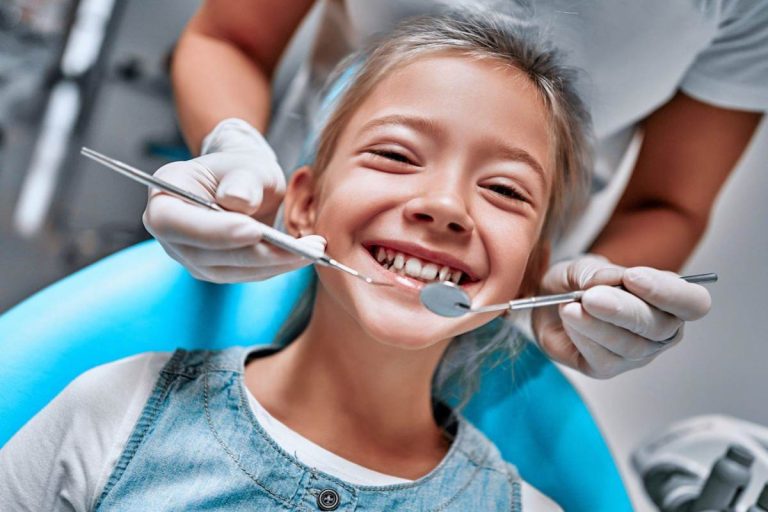
Scheduling regular dental checkups, ideally twice a year, is crucial for maintaining oral health. These visits allow your dentist to detect and address dental issues early, often simplifying treatment and improving outcomes. 

During these checkups, dentists perform professional cleanings, effectively removing plaque and tartar buildup that regular brushing and flossing might miss. This proactive approach can preserve dental health and prevent the progression of potentially severe oral conditions.

  • Mind Your Diet

A balanced, nutritious diet plays a significant role in maintaining oral health. Consuming excessive sugary foods and beverages should be minimized, as sugar transforms into acid in the mouth, leading to enamel erosion and increased risk of cavities. So, it’s essential to incorporate crunchy fruits and vegetables, like apples and carrots, into your diet. These foods act as natural toothbrushes, helping to clean teeth surfaces and stimulate saliva production, which aids in neutralizing harmful acids and cleaning the mouth.

  • Stay Hydrated

Staying hydrated by drinking water frequently is pivotal for oral health. Water assists in rinsing away residual food particles and bacteria from the mouth, reducing the risk of dental problems. It plays a key role in stimulating saliva production, a natural defense mechanism of the mouth. Adequate saliva is crucial for neutralizing harmful acids produced by bacteria, thus preventing tooth decay. 

  • Avoid Tobacco Products

Avoiding tobacco products is essential for oral health preservation. Tobacco use in any form significantly elevates the risk of developing gum disease, tooth decay, and oral cancer due to its harmful chemicals. These conditions can affect the mouth and lead to serious systemic health issues. 

Hence, cease tobacco use to improve oral health and reduce these risks. Consequently, you can contribute to healthier gums and teeth and decrease the likelihood of developing oral cancer.

  • Use Mouthwash

Incorporating mouthwash into your oral hygiene routine offers benefits beyond brushing and flossing alone. Mouthwash can access and cleanse parts of the mouth that are difficult to reach with a toothbrush or floss, such as deep between teeth and along the gum line. It plays a crucial role in reducing oral acid levels, cleaning challenging spots, and aiding in the remineralization of teeth. However, it’s advisable to consult with your dentist to select a mouthwash suited to your specific dental needs.

  • Limit Alcohol and Soda Consumption

Reducing the intake of alcohol and soda is crucial for oral health, as these drinks typically contain high sugar levels and acidity. This combination accelerates tooth decay and causes enamel erosion, leading to sensitivity and cavities. 

Instead, choose healthier alternatives like water or milk, as they can significantly benefit dental health. Water can help cleanse the mouth, while milk can offer essential minerals like calcium, promoting stronger teeth and reducing the risk of oral health issues.

  •  Wear a Mouthguard

Using a mouthguard is a proactive measure of oral protection, especially for athletes and individuals who grind their teeth at night. In sports, mouthguards cushion the teeth to prevent injuries like fractures, chips, or dislodgement during physical activities. Suppose you’re suffering from bruxism (nighttime teeth grinding). In that case, a mouthguard acts as a barrier, reducing wear and tear on the teeth and alleviating the risk of damage such as cracking and enamel erosion. 

Takeaway

By following these tips, you can maintain a healthy mouth and a bright smile. Regular dental visits and consistent, good oral habits form the cornerstone of enduring oral health. This combination prevents dental issues and enhances overall well-being, contributing significantly to a better quality of life through a confident, healthy smile.


Breast Augmentation Recovery: Here’s What You Should Know

As a woman, you may find yourself self-conscious about the appearance of your breasts. That’s because breasts have been a symbol of femininity for a long time. Therefore, it’s normal to think about enhancing your breast area through plastic surgery, particularly breast augmentation. But before anything else, do you really need the surgery? And what are breast augmentation recovery times?

There’s a lot to think about before making up your mind.

Breast Augmentation Defined

Breast augmentation, or augmentation mammoplasty, is a popular plastic surgery to increase breast size. Some women may choose breast augmentation to boost their self-esteem and confidence, while others may want to rebuild the breasts following various conditions.

You’d be better off consulting with a plastic surgeon to understand the procedure, possible risks, and follow-up care, no matter your reasons for the surgery.

There are two types of surgeries:

Cosmetic Breast Augmentation

Here, a doctor inserts a saline or silicone implant behind the breast tissue or under the chest muscles to improve the breasts’ shape, size, and symmetry.

Reconstructive Surgery

You could also get reconstructive breast augmentation surgery to rebuild your breasts if removed in a previous surgery, such as a mastectomy.

Why Breast Augmentation?

Breast augmentation can help with:

  • Enhancing the appearance of your breasts if they are asymmetrical or you feel like your breasts are small
  • Improving the volume of breasts after substantial weight loss or pregnancy
  • Correcting unevenness after undergoing breast surgery to treat other conditions
  • Restoring your confidence and enabling you to feel right in your skin
  • Depending on the results you want to achieve, your plastic surgeon can customize the procedure according to the material (saline or silicone,) incision, shape, and implant placement.

What About Breast Augmentation Recovery?

When it comes to breast augmentation recovery times, there’s no standard time limit since every woman is unique. Many things could affect your recovery, including the implant material and size, the placement, and the surgeon’s prowess.

In general, though, full recovery after breast augmentation typically takes between four and eight weeks. It’s crucial to avoid overexerting your body to hasten your recovery. That means no exercise or overworking in the next couple of weeks post-op.

Looking at the timeline:

Immediately After the Procedure

You’re likely to feel sore and weak, especially after waking up from general anesthesia. The medical staff will monitor you for a few hours.

A Few Hours Later

You may feel better. Your doctor will wrap the breasts and explain how to care for the incision sites before allowing you to leave. Have someone drive you home.

After 3 to 5 Days

You may feel the most discomfort, and the doctor’s prescription will come in handy. Also, there may be minor bleeding at the incision point, which is normal at this point. You could always speak to a doctor if you have any concerns.

Next Few Weeks

There may be some swelling, but it should get better by the day. Avoid going to work for at least three weeks if your job is physically demanding.

After 2 Months

It’s about time to resume your daily activities since you should have a full recovery by now. However, consult with your surgeon first.

Best Eye Hospital in Delhi: Top Eye Care Center

The vision is the primary source of information and occupies a bigger portion of the brain than any other sense; human eyes are the most important sense organ. Any eyesight issue should be identified and addressed as soon as possible by the best eye hospital in Delhi.

Recently, there has been an increase in public awareness of the value of receiving adequate eye care. After all, vision is a sense that is fundamental to life and whose significance cannot be understated. The best eye hospital in Delhi can help with this by spreading awareness about eye care and treating patients with high-quality, reasonably priced care.

According to reports, millions worldwide who lose their vision suffer greatly, become disabled, are less productive, and have a lower quality of life. Genetics is the most frequent root cause of vision-related problems.

Eye issues are more common in some persons than others. Overuse, sickness, and trauma are all potential causes of eye damage. The best eye hospital in Delhi may be able to treat the disorder, depending on the problem. However, to diagnose the issue, you must first recognize it. Consequently, let’s first comprehend the distinct kinds of eye disease.

A renowned and best eye hospital in Delhi known as The Sight Avenue has contributed significantly to the evolution of the country’s eye care industry.

The extensive therapies include various internationally recognized ocular specializations and our procedural and diagnostic services.

The top eye hospital in Delhi, The Sight Avenue, is capable of providing the following treatments:

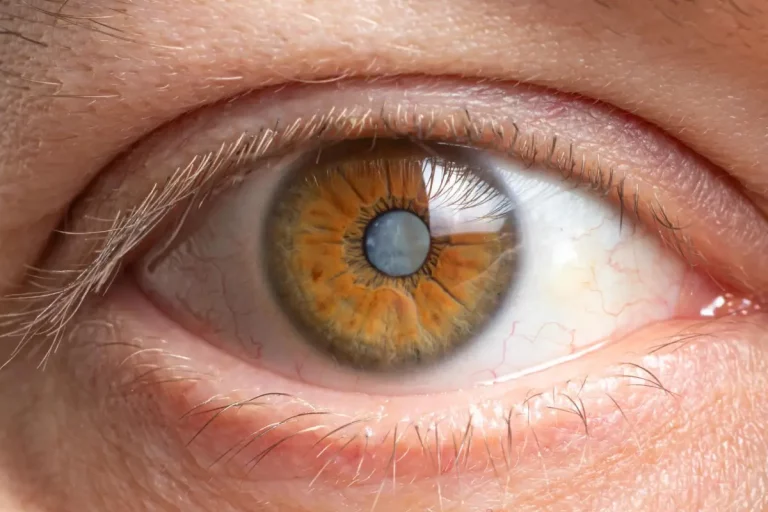
  • A cataract is a gradual haziness that develops inside the eye’s lens.
  • Glaucoma is a disease when there is elevated pressure inside the eyeball.
  • LASIK is a surgical technique designed to lessen or do away with a person’s reliance on glasses and contacts.
  • Retinal disease damages this important tissue, impairing vision and, in severe cases, perhaps leading to blindness.

Sight Avenue, the best eye hospital in Delhi, is also cost-effective and affordable. Surgery costs are influenced by the following factors:

  • The method and tools employed
  • Selected lens type
  • A surgeon’s consultation is necessary for the best estimation.

The best eye hospital in Delhi that is, The Sight Avenue, also specializes in the advanced treatment of eyesight problems by:

  • Having an anaesthesia-free and blade-free surgery for only about 20 minutes.
  • It’s a safe and precise method that restores eyesight clarity

When should I have surgery?

Patients frequently believe surgery can only be performed when a cataract is somewhat advanced. That’s incorrect. Consult your ophthalmologist about your alternatives as soon as you experience visual disturbances so that it doesn’t start to negatively impact your quality of life.

Are the ophthalmologists at The Sight Avenue trustworthy?

Yes, The Sight Avenue or the best eye hospital in Delhi’s ophthalmologists are trustworthy. They have years of experience treating various eye conditions in both men and women of all ages.

Common Eye Issues

1. Refractive Errors

The most prevalent eye condition in India is a refractive error, which impairs the eye’s ability to concentrate light and causes visual issues like blurry images, difficulty reading, and eye crossing. Myopia (near-sightedness), hyperopia (far-sightedness), astigmatism (uneven cornea), as well as presbyopia, are a few examples of refractive defects (short arm syndrome). The vision of people of all ages could be improved by timely, appropriate refractive correction steps.

2. Cataract

Cataracts are the medical name for the blurred vision of the eye’s lens. It forms as opaque masses of tissue in the sensitive lens of the eye. Cataract symptoms include night blindness, double vision, blurry vision, and obstructed vision. The majority of individuals think cataracts can appear after age 55. Diabetes may also contribute to cataract occurrence. When diagnosed in time, surgical excision of cataracts has had success rates.

3. Diabetic Retinopathy

Another name for diabetic retinopathy is DR. Chronic diabetes is the cause of this disorder. Vision is altered, and blood vessels are harmed. The lesser variant of NPRD typically exhibits few severe symptoms. However, PDR is much more advanced and results in the development of new, aberrant retina blood vessels. Blurred sight, poor night sight, color vision impairment, sudden loss of vision, and more are a few of the symptoms.

4. Glaucoma

The optic nerve is harmed directly by glaucoma disease. The optic nerve, which supports clear vision, is harmed. Typically, it is among the top concerns for those over 60. Glaucoma comes in two flavors: acute-angle closure and open-angle. Patchy spots can be seen in the side or center of the vision in open-angle glaucoma. Contrarily, symptoms of acute angle-closure glaucoma include eye redness, nausea, blurred vision, headache, haloes around lights, and more. Other types of glaucoma include pigmentary glaucoma, regular glaucoma, glaucoma in youngsters, and glaucoma.

Conclusion

You should inquire about the hospital’s patient roster duration before choosing the best eye hospital in Delhi for surgery. Sight Avenue, the best eye hospital in Delhi, is a trustworthy hospital with expert ophthalmologists who can provide patients with the most comfortable care using the most recent technologies. The doctor must have completed four years of medicine at an approved university and hold a Bachelor’s degree.

He or she needs to have performed procedures for, at most, a few years. Keep in mind that the eye surgeon is in charge of the majority of your medical care for your eyes. Everything done following his or her practice, from greeting patients to carrying out exams and procedures to providing post-operative care. Visiting a trustworthy and knowledgeable doctor is, therefore, essential.

How to Stay in Shape When You Have a Back Injury

0

Injuring your back strains far more than just your joints and muscles. If the injury is bad enough, the consequences can seep into every area of your life. That includes your fitness regime. Before, you might have enjoyed going to the gym three times a week, but now you might struggle to even get there.

The restraints you face after a back injury don’t have to result in losing your fitness levels. By creating a realistic action plan, you can stay in shape while allowing your body to heal. Read on to learn more.

Seek Treatment

Before anything else, you must speak to a professional doctor or sports physician. From there, you can devise an action plan to help heal your back injury. That might involve physical therapy, medication, or, in some cases, surgery.

If you have an injury from a long time ago that’s still giving you trouble, there are still ways to seek treatment. For example, you can go to bioxcellerator.com for stem cell treatment for chronic back pain. This science-back treatment doesn’t involve surgery. Instead, a simple 90-minute session with a doctor can help your body heal itself. Even just scheduling a consultation can put you on the right path.

Go for Brisk Walks

If you struggle to jog or run, brisk walking is your friend. While your heart rate might not get as high as it does during a sprint, a long, brisk walk still does wonders for your fitness levels. If you want to push yourself further, try walking uphill. You’ll soon be out of breath!

Try Swimming

Another great form of exercise for back injuries is swimming. This low-impact aerobic exercise isn’t too hard on the back yet still provides a full-body workout. If it’s your first time swimming in a while, don’t be afraid of starting slow with a simple breaststroke.

Don’t Forget to Stretch

Stretching is an essential part of keeping fit. After every workout – no matter how short or intensive – be sure to fit stretching in. It will help your body recover after a workout while giving your joints and muscles the stretch they need to stay flexible.

Eat Well

Diet plays an enormous role in your fitness levels, which is why eating right is important even if you’re not exercising as much as you used to. Getting plenty of fruits, vegetables, and protein-rich foods will give you plenty of energy while keeping you trim during your time out from training.

Listen to Your Body

Last but not least, listen to your body. If you’re doing a workout that feels a little too harsh on the back or spine, stop. If you feel like you can push yourself a bit further, try doing so a little at a time. Your body will tell you what’s OK and what’s not, so don’t ignore it. Otherwise, you might make your injury worse.

It’s understandable to want to stay fit even after sustaining a back injury. Fortunately, you can. Remember to speak to your doctor, take part in low-impact exercises, and listen to your body to ensure you stay safe while working out.

Will Breast Implants Boost My Confidence Level?

Why Are Breast Implants So Popular?

Breast augmentation surgery is usually done to improve the appearance of the breasts. A type of breast augmentation is breast implants. They include saline or silicone implants that are utilized to enhance and increase the dimensions and contour of the breasts. They are surgically implanted beneath the skin in such a way that they appear to be perfectly natural tissue.

Breast implants are an extremely popular cosmetic procedure among women worldwide. Many opt for the procedure to improve the look of their breasts. Even though it is a highly popular procedure and nearly every patient who receives them is pleased with the results, believe it or not, many women still remain doubtful.

Because of this suspicion, many want to know if it is really worth it. Although the advantages of breast implants are innumerable, the physical and emotional impact, its cost as well as time, can easily discourage people from getting the procedure. The following are the top 6 reasons why breast implant surgery is worth every penny.

Why Are Breast Implants Worth It?

They Are Safe and Have Few Complications

Breast implants, overall, are safe with few risks of complications or long-term side effects. However, infection-related complications wound healing issues, and the possibility of blood clots at the incision site can occur. Of course, if you have a highly qualified and skilled cosmetic surgeon to complete your procedure, the chances of developing complications is extremely low, and the surgical procedure is totally risk-free.

Breast implants Can Last For Many Years

Breast implants are not a temporary fix by any means. They have a long lifespan, with many lasting up to 15 years. However, the implants will be consistently monitored by doctors to ensure they haven’t burst or need replacement.

When a saline implant ruptures or needs to be replaced, it will be noticeable because the saline will absorb into your body. However, a rupture in silicone implants may not be visible. An x-ray will have to be done to determine if it has been damaged.

They Increase Your Confidence Level

One of the most significant advantages of implants is the increase in self-confidence that patients experience after the procedure. Countless women who seek breast augmentation are extremely self-conscious about their breasts. Low self-esteem can be rapidly wiped away with single breast surgery, enabling you to enjoy life to its fullest.

Breast Implant Recovery Is Remarkably Rapid and Simple

Even though there is some recovery time required after breast implant surgery, it is fast and simple. You will feel some minor soreness and stiffness in the surgical area for the first few days after the procedure. However, you should start feeling perfectly normal after a few days.

You should be able to return to work and resume your normal routine within two weeks. Additionally, you will be able to exercise a month following the procedure.

They Open Up a Whole New World of Wardrobe Possibilities

Numerous women with little breasts face limitations in the way their clothing fits. They will frequently try on clothing that fits their hips perfectly but not their chest area. Breast implants, however, will make it possible to fit in more clothing without the embarrassment of having a smaller chest.

Proportionate Breasts

If you have disproportionate breasts, where one breast is obviously smaller, it can make you feel ashamed and make finding bras that fit properly challenging. You’ve probably even bought push-up bras to increase your boobs. However, this requires a significant amount of effort and does not always produce the desired results. At the end of the day, you will still have the same breasts you’re unhappy with. Breast implants, however, ensure both breasts look exactly alike without the hassle of buying push-up bras. If you happen to be unsatisfied with your results, implant correction is also definitely an option, to ensure you receive your desired look.

An Amazing Mushroom: 5 Shiitake Mushroom Health Benefits

0

Shiitake Mushroom: Asia has a secret staple food that provides great medicinal properties. Have you ever heard or tried shiitake mushrooms? Shiitake mushrooms are the second-most popular ingredients used in Asian cuisine.

They are also the second most produced and widely cultivated edible mushroom globally. You may be missing out on the benefits of this popular mushroom by not adding it to your daily diet. With their savory taste, they offer various benefits for different bodily functions.

Why should you start eating shiitake mushrooms? Let’s a look at the shiitake mushroom health benefits and see why you should adopt it into your diet.

How Should You Eat Shiitake Mushrooms?

There are two ways you can add shiitake mushrooms to your diet: supplements or whole foods. You can cook with fresh or dried shiitake mushrooms. The dried variety allows you to enjoy a better flavor while getting the health benefits of shiitake mushrooms.

Dried shiitake brings out an umami flavor that’s more intense than fresh shiitake. Umami flavor is a Japanese term stating that the food has a meaty and savory taste. It is often considered as the fifth taste, alongside bitter, salty, sour, and sweet.

As a supplement, the shiitake mushrooms will be in powder or capsule form. You can add the shiitake mushroom powder to your tea and smoothies or create broths for soups.

Five Shiitake Mushroom Health Benefits

Why do people use shitake mushroom for health and wellness? These have many chemical compounds that can protect your DNA from oxidative damages. They act as a natural remedy in alternative medicine and traditional Chinese medicine.

It is a unique mushroom containing eight essential amino acids. Mixing these mushrooms into your meals will bring promising health benefits. Here are five promising shiitake mushroom health benefits.

1. Lessens Risk of Obesity

Shiitake mushrooms contain certain components that have fat-reducing properties. This includes b-glucan and eritadenine, which are often found in rye, oats, and barley. B-glucan increases satiety, which decreases your cravings for snacks or seconds.

It can also delay nutrition absorption, lessening plasma lipid or fat levels. Adding shiitake mushrooms to your high-fat diets is an efficient method of preventing weight gain. You can avoid plasma triacylglycerol and fat disposition.

2. Supports Your Immune System

Do you want something light that can combat many diseases and boost your immune system? A cup of shiitake mushrooms has plenty of copper needed for most adults. Copper is vital for supporting the activity and creation of various immune cells.

This includes phagocytes, T cells, neutrophils, natural killer cells, B-lymphocytes, and antibodies. Shiitake mushrooms also contain Zinc, which fights oxidative stress and infections. Having a daily dose of shiitake mushrooms will improve your gut immunity.

3. Lessens the Risk of Cancerous Cells

Shiitake mushrooms can’t cure cancer or diseases, but they can reduce the risk. The mushrooms contain polysaccharides that may produce an anti-cancer effect. It helps you fight cancer tumors by helping activate your immune system.

You may find another compound called lentinan, which can help heal chromosome damage. It can also slow down the growth of leukemia cells and prevent them from spreading. In China and Japan, they use it alongside other treatments to help with gastric cancer.

4. Provides Antioxidant and Anti-Inflammatory Nutrients

Shiitake mushrooms contain plenty of antioxidant minerals, including Zinc and Copper. They also contain selenium, reducing oxidative stress and age-related mental decline. It also holds a high amount of beta-glucan, helping improve skin conditions.

You can fight against bedsores, wounds, burns, and eczema. Shiitake mushrooms also provide phenolic and terpene-related antioxidants. On the anti-inflammatory side, shiitake mushrooms can decrease inflammation and body pains.

Decrease the chance of acne, depression, anxiety, and fatigue connected with chronic inflammation. Alongside fruits and veggies, shiitake mushrooms help your body respond to inflammation. It will also prevent gum inflammation and tooth plaque or decay.

5. Boosts Energy and Brain Function

Shiitake mushrooms are a great source for high levels of B vitamins. Vitamin B3 plays a huge role in supporting adrenal function and energy production. It also converts all the nutrients from your food into energy.

Your body requires Vitamin B and its water-soluble capabilities. These mushrooms also have the ability to increase focus and improve cognitive functions. They can balance hormones naturally to help you break through brain fogs.

Potential Side Effects

Shiitake mushrooms may have the opposite effect if you take more than what your body needs. They are a powerful mushroom that can cause some symptoms to flare up. If you have an autoimmune disorder, it’s best to limit this immune system boosting food.

You may also develop a skin rash from handling and eating raw shiitake mushrooms. The skin rash comes from an allergic reaction known as “shiitake dermatitis.” It’s not a long-term problem since it can self-resolve in no time at all.

Powdered shiitake mushroom extract used for long periods may cause side effects. You may experience an upset stomach or have an increased sensitivity to sunlight. These will also increase your white blood cell count, making your skin more sensitive to the sun. You also have to be careful of the high amounts of purine in shiitake mushrooms. Purine is a chemical compound that your cells use as building blocks for RNA and DNA. If you have too much of it, your uric acids will rise and cause conditions like hyperuricemia or gout.

If you have gout, you should limit your shiitake mushroom intake. Your body may not be fast enough to remove the by-product, making the uric acid build-up. You should consult your nutritionist before adding shiitake mushrooms to your diet.

Take Advantage of this Amazing Mushroom

Shiitake mushrooms are a nutritious and versatile food, potentially replacing meat in taste and nutrient content. Be sure to place the right amount of this powerful mushroom in your meals. Consult with your doctor to get the most out of the shiitake mushroom health benefits.

Shiitake mushrooms aren’t the only mushrooms with health benefits. You can learn more about powerful and healthy foods by checking out our other blog posts. Get to know more superfoods that can affect your health.

Having Trouble With Your Cataracts Surgery

0

If you have cataracts, you’re not alone. So this is a common cause of vision loss in people over age 40. But there’s no need to worry. Cataract surgery is a safe and effective way to treat cataracts and improve your vision. So if you are considering cataract surgery, you should contact harishrajalasik.com. They can provide you with all the information you need about the procedure and the risks involved.

Still, you may have some questions about the surgery. Here are some of the most commonly asked questions about cataract surgery, along with answers from our team of expert surgeons:

4 Common FAQs About Cataract Surgery

What is Cataract Surgery?

Cataract surgery is a medical procedure used to treat cataracts. The basic principle behind cataract surgery is quite simple: the cloudy lens is removed from the eye and replaced with a clear artificial lens.

However, the surgery itself is pretty complex, and it requires a great deal of skill and experience on the surgeon’s part. You can use different techniques to perform cataract surgery, and the type of surgery that is right for a particular patient will depend on several factors.

Phacoemulsification is the most common type of cataract surgery. This technique involves making a small incision in the eye and then using ultrasonic waves to break up and remove the cataract. This technique is less invasive than some of the other options, and it typically results in a quicker recovery time for the patient.

Extracapsular extraction is a more invasive type of surgery, and it involves making a larger incision in the eye to remove the cataract. This type of surgery is usually reserved for cases where the cataract is particularly large or difficult to remove. Recovery times are typically longer after this type of surgery, and there is a greater risk of complications.

What Are the Risks of Cataract Surgery?

As with any surgical procedure, there are some risks associated with cataract surgery. First off, there is a risk of infection. It can happen during, and after the surgery, so it’s important to follow your doctor’s instructions regarding care and hygiene. There is also a risk of bleeding during or after the surgery. However, in rare cases, this can lead to severe complications.

Finally, there is a small risk that the artificial lens implanted during surgery will become dislodged. It usually happens within the first few months after surgery and can be corrected with another procedure.

That said, cataract surgery is generally considered very safe—the vast majority of patients who undergo the surgery experience no complications. So if you’re considering cataract surgery, the odds are that it’s a very safe decision.

When Should I Have Cataract Surgery?

When the cataract starts to get in the way of your vision, it’s as simple as that. For example, if you’re having trouble reading or driving at night, it might be time for surgery. Consult with your ophthalmologist to see if surgery is right for you.  If you don’t have one, a simple Google search of ‘cataract surgery near me’ will give you many options to explore.

What Can I Expect After Cataract Surgery Near Me?

Most people experience significant improvements in their vision after surgery. You may need to wear glasses or contact lenses for reading or other activities, but many people can see well enough without them. You should avoid driving or operating machinery for the first day or two after surgery. And be sure to protect your eyes from sunlight and UV light by wearing sunglasses outdoors.

Ready to Restore the Glory of Your Vision?

Cataract surgery is a safe and effective way to treat cataracts and improve your vision. If you have any questions about the procedure, ask your surgeon. They will be happy to answer any questions you may have and help you make the best decision for your situation.

Why Clear Communication Matters at Home and Work

0

Many people in Australia worry that the art of conversation will be lost forever due to modern technology.

People now use their various devices to communicate with each other by sending text messages and it means that people are no longer talking and that is incredibly sad.

It is fair to say that methods of communication change over the years but if anyone wants to be successful in this life then they need to be better communicators.

Why Clear Communication Is Essential for Success

This is why you should be doing everything that you can to improve your ability to communicate every single day not only in your personal life but in your working life as well.

Communicating isn’t just about talking all the time and you would find that out if you were to apply for the number of speech pathology jobs that are currently listed.

The Role of Listening and Non-Verbal Communication

For this profession, you need to be an excellent listener and you need to know what questions to ask to specific people.

There are many non-verbal signals involved in communicating and these need to be learned as well.

Key Benefits of Being an Effective Communicator

We all need to be able to communicate effectively every single day because clear communication is so important so that there is no ambiguity or confusion.

You shouldn’t really have to be sold on the importance of clear communication in your daily life but the following are just some benefits that will come your way if you are an effective communicator.

Understanding People Better

If you are a good listener as well as a good communicator then you are better able to understand what it is that people are trying to tell you and it also allows them to be able to understand you also. As was mentioned previously before, not all communication is verbal and it has a lot to do with your facial expressionsand your body movements when you are communicating.

Saving Time and Energy

It can be so incredibly frustrating if you are trying to communicate your thoughts but you’re not doing the job properly and this leads to many misunderstandings and stress from both parties. By communicating clearly and properly, you save yourself an incredible amount of time and energy because there is a clear understanding of what it is that you are trying to say.

How Communication Creates Opportunities

This applies not only in your daily social life but in your working life as well. If you are a good communicator then you can network with like-minded people and this might lead to career opportunities further down the line. It helps you to maintain good relationships with the people who are important in your life and can even be useful when there are disagreements.

Communication Skills for Leadership and Learning

Being a better communicator also makes you a better leader and you can converse with your co-workers and team members so that there is clear understanding from all parties. If you are studying, then it leads to better understanding when it comes to taking oral tests and understanding your lecturer.

error: Content is protected !!