
Home Blog Page 20

What Are The Most Common Causes Of Childhood Obesity?

Overweight problems in pediatric age or Childhood Obesity are one of the most common nutritional disorders worldwide. The causes are varied and, almost always, several combined at the same time.

For years, experts have been trying to establish the most common causes of childhood obesity.

Since the disease itself and the consequences. It entails have emerged as a significant public health problem in the 21st century.

There are not so many geographical areas of the world that are exempt from the epidemic.

Some causes have to do with personal and family behavior towards physical activity and diet.

But in recent years, there is also talk of possible environmental and genetic factors that may have their influence.

In the following article, we explain everything that we know about it.

Incidence And Evolution Of Childhood Obesity

Incidence And Evolution Of Childhood Obesity (1)

Weight problems in childhood have reached pandemic levels worldwide, which is why experts have rated it as one of the most significant public health challenges of the 21st century.

It is necessary to address the issue, as it is a situation that has consequences for the physical, social, and emotional health of children.

According to data published by the World Health Organization, in 2019, there were 38 million children under 5 years of age who were overweight or obese in the entire population.

And the same problem affected more than 340 million children between the ages of 5 and 19 in 2016.

An added drawback is that this increased incidence accompanied by a higher prevalence of other diseases, such as type 2 diabetes, high blood pressure, or blood lipid disturbances.

Problems are more typical of adulthood that are beginning to observe in minors.

The Most Common Causes Of Childhood Obesity

In generic terms, it accepted that the problem appears as an energy imbalance between the calories consumed and the calories expended.

In recent decades, been a series of changes in lifestyle types of diet that have led to a positive balance in favor of ingested.

When addressing the issue, we have to think of it as a multi-factor problem with different sources.

Current knowledge establishes that the most common causes of childhood obesity have their origin in genetic, behavioral, and environmental factors.

The Influence Of Genetics

Factors related to genes are among the most studied about pediatric obesity. Not surprisingly, some research shows that the BMI or body mass index (an indicator that serves to differentiate the healthy weight from overweight and obesity) is by inheritance between 25 and 40%.

However, this genetic influence must be accompanied by environmental and behavioral factors for a child to develop the disease. The inherited childhood obesity rate is estimated to be 5%.

Also, experts pointed out that all the variables that affect the amount of body fat, as well as energy intake and expenditure, are also marked by genetic factors.

And not only this, but the ability to respond to treatment included. Therefore, it can say that genetics is essential. But it does not by itself explain the significant increase in cases in recent decades.

The Role Of Lifestyle

There are some factors related to the behavior of minors that have an essential role in the development of childhood obesity.

Most of them end up leading to a situation where the energy consumed is more significant than that which expended.

Within these aspects that have to do with lifestyle, we will comment on some of them.

1. Intake Of Energy Drinks

Energy drinks and soft drinks are products that provide a large number of calories without any nutrients.

In an analysis of existing studies on the subject, sufficient evidence found to affirm that its consumption is related to the prevalence of obesity.

According to statistics, obesity linked to soft drinks may continue to increase. Consumption expected to increase over the next 5 years by around 9.5%.

2. Consumption Of Ultra-Processed Foods

This type of food, already prepared and industrialized. So it is characterized by containing significant amounts of saturated and hydrogenated fats. And a high caloric density, and a high glycemic index.

Besides, they are products that presented in increasingly more substantial portions.

All these features of the ultra-processed are adverse dietary factors and have a negative influence on childhood obesity.

There is an association intake of products and an increase in total energy and weight gain, both in children and adults.

3. Physical Exercise And Sedentary Lifestyle

Physical Exercise And Sedentary Lifestyle

Children between the ages of 8 and 18 spend, on average, about 7.5 hours using diverse technology (consoles, mobile phones, computers). And do not participate in physical activities or live games.

This lack of physical exercise and a sedentary life also contribute to obesity.

Environmental Factors

A heterogeneous group of circumstances known today as an obesogenic environment.

It can define as the sum of influences that the environment, opportunities, or living conditions have on the promotion of obesity in individuals or populations.

In a systematic review on the subject, three major environmental determinants have defined:

  • Facilities for practicing physical exercise: For example, the existence of children’s green areas or sports clubs that promote active play and sports.
  • Use of public space and transport: The existence of extensive and safe pedestrian routes, bicycle lanes, accessibility to public transportation.
  • Availability of healthy foods: Here, the price of sale, the accessibility to fast-food restaurants, or the advertising of unhealthy foods come into play.

The Most Common Causes Of Childhood Obesity Are Varied

If what you want is to remedy this dangerous situation that affects millions of children in the world, changes, and modifications in lifestyle are the first steps to follow.

But if the environment does not stop favoring unhealthy eating and sedentary living. It will not be possible to move towards a definitive solution.

Not only is there the responsibility of governments to favor public policies in this regard. But adults have a direct influence on the minors around them.

It is a task for parents and caregivers that must develop in the long term.
5 Ways to Treat Toenail Fungus

0

Are you or those near and dear to you suffering from toenail fungus? Are you looking to get rid of this embarrassing and sometimes painful condition? If so, the Fungus Eliminator is the solution. Let’s learn more about toenail fungus infections.

What Is Toenail Fungus, and Can Oral Antifungal Drugs Help?

Toenail fungus, medically known as onychomycosis, is a relatively common infection of the toenails and fingernails. As toes are often warm, dark, and damp, fungus thrives there. The condition happens when the fungus infects your nails through cuts in the skin or cracks in the nail. Taking the Fungus Eliminator regularly will prevent you from getting an infection altogether.

Typically, onychomycosis starts as a yellow or white spot beneath the tip of your toenails. If left untreated, the infection grows deeper, causing discoloration and thickening, and may eventually lead to the crumbling of the nail from the tip. Let’s take a closer look at this condition and how we may be able to treat it.

Stages of Toenail Fungus

Onychomycosis develops in three stages:

  • Stage one: White or yellow spots appear in the toenails over the plate. The nails still have gloss, and there’s no discomfort or pain.
  • Stage two: The spots/discoloration grows to cover the entire surface of the nail, and it loses its gloss. The nail begins to thicken and lose its shape and structure.
  • Stage three: The nail thickens, bends, and crumbles. It begins to shrink towards the nailbed. At this point, you’ll face discomfort and pain, and your feet may have a foul odor.

You need to seek medical attention once your toenails lose their gloss and are fully discolored. Fortunately, there are several professional and home treatments that you may use to treat this condition.

Who Suffers From Toenail Fungus

Anyone can get a toenail fungus infection. Some factors that may increase your risk of the disease include:

  • Age

The older you are, the weaker your immune system. Due to reduced blood flow, the slower your nails grow.

  • History

If you have suffered from an athlete’s foot before, you stand a higher chance of getting toenail fungus.

  • Sweat

People who tend to sweat more are at higher risk.

  • Conditions

Minor skin and nail abrasions, cuts, or skin conditions like psoriasis may cause an infection.

  • Weakened Immune System

Suffering from diabetes or having issues with blood circulation will put you at risk.

  • Environment

Walking barefoot in damp communal areas like swimming pools, gyms, and shower rooms may expose you to fungus.

Prevention

These habits and practices prevent you from getting toenail fungus infections or a recurrence of the condition after treatment:

  • Regularly wash and dry your hands and feet and moisturize them if possible. Always clean up after touching an infected nail.
  • Keep your nails trimmed. Use a file to even out the thickened areas and smoothen the edges. Disinfect your clippers after use and store them in a clean, dry place.
  • Wear sweat-absorbing socks. Make sure you put on a fresh pair daily. If you can, change them throughout the day.
  • Wear comfortable shoes made of materials that breathe. If you’re recovering from an infection, discard old shoes or treat them with antifungal powders and disinfectants.
  • Wear flip-flops in pools, locker rooms, and other common areas.
  • Give up artificial nails, acrylics, gels, nail polish, and other similar applications when recovering from an infection. Let your nails rest and heal.

Five Ways to Treat Toenail Fungus

Toenail fungal infections can be notoriously difficult to cure and typically require antifungal treatment. Depending on the severity of the condition, here are five effective ways to treat toenail fungal infections:

1. Oral Antifungal Drugs

Oral antifungal treatments such as the Fungus Eliminator by PureHealth Research are the quickest and most effective way to clear your infection. On average, treatments usually take between 6-12 weeks. You may see results as fast as five days, but it’s best to continue taking the drugs until your toenails have entirely healed. Sadly, some treatments may have side effects like rashes, and you may want to get tested before switching or starting a new treatment. Fortunately, Fungus Eliminator is made of 100% natural ingredients and has no side effects.

2. Medicated Nail Polish

Medicated nail polish is a type of nail lacquer commonly prescribed by doctors to treat nail fungal infections. The active ingredient in these products is ciclopirox, found in pharmacies and drugstores. Ciclopirox works by killing the fungus and preventing its spread.

Usually, you apply one layer of lacquer daily for seven days, and as it sets, it impacts the fungus and slowly restores your nail plate. After the seventh day, remove the polish using alcohol and repeat the process. Though this method is effective, it can take a long time, with some reporting results after ten months.

3. Topical Nail Creams

This treatment relates to antifungal creams that you apply to the infected areas of your feet or hands. Creams are very effective for those with absorbent skin and naturally thin nails as they can easily penetrate through the nail to reach the underlying fungus. The best time to apply these creams is at night. An easy hack for those with thicker nails is to thin them out with a file before applying the cream to increase its effectiveness.

4. Surgery

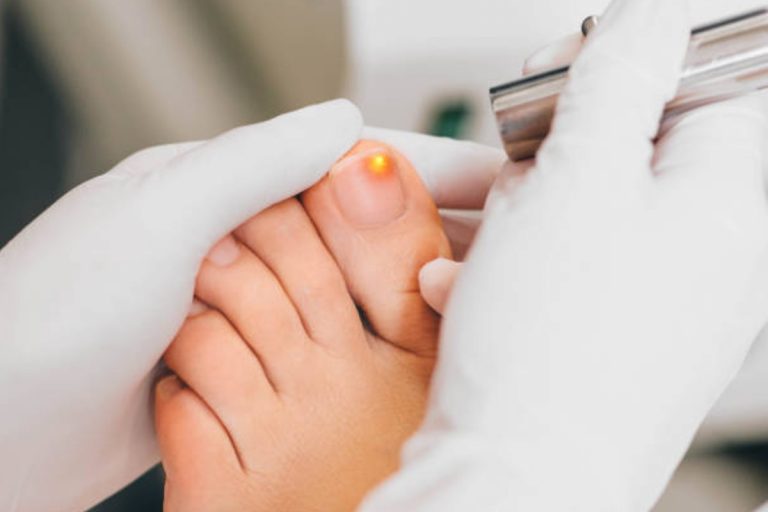
In severe cases, the infection may be out of control, and you may need surgical intervention. Surgery is usually only prescribed as a last resort and involves the nail’s removal. The toenails may be removed conventionally using regular surgical implements or laser surgery. The nail is partially or entirely removed, and medication is applied directly to the nail plate. The procedure can be painful and quite uncomfortable once complete.

5. Home Remedies

Lastly, you can always take the Fungus Eliminator with tried and tested home remedies used for generations to treat nail fungal infections. You can use homemade solutions like soaking your feet in vinegar, Listerine, garlic, ginger, tea tree oil, or other preparations with potent antifungal properties.

Final Word

Unfortunately, once infected, toenail fungal infections keep recurring even after treatment. Proper and constant foot care is the best way to avoid getting a toenail fungus infection or keep it at bay once cured.

5 Common Diseases and How to Treat Them

0

Diseases have been responsible for millions of deaths throughout history. While there is no cure for all diseases, there are treatments that can help alleviate symptoms and improve quality of life. Here are five common diseases and how to treat them!

Asthma

Asthma is a chronic lung condition that causes difficulty breathing. However, the airways in the lungs become inflamed and constricted, making breathing difficult. Common asthma symptoms include shortness of breath, wheezing, and chest tightness. Asthma can be triggered by various things, including allergies, cold air, and exercise.

There is no cure for asthma, but it can be managed with medication. Inhaled steroids are the most common type of medication used to control asthma. Other types of medication can be used, depending on the severity of asthma and how well the person responds to treatment. But in few severe cases, hospitalization may be necessary.

Alzheimer’s disease

Alzheimer’s disease is a degenerative brain disorder that leads to memory loss and cognitive decline. However, tt is the most generalll cause of dementia and affects people over the age of 65.

Early symptoms of Alzheimer’s include forgetfulness, difficulty completing familiar tasks, and problems with language. As the disease progresses, symptoms may include disorientation, mood swings, and behavioral changes.

There is no cure for Alzheimer’s disease, but there are treatments that can help slow down the progression of the disease. Several non-pharmacological interventions can also help, such as cognitive training, social activities, and exercise.

Ear Infections

Ear infections are one of the most general childhood ailments, but they can affect people of all ages. But Ear infections occur when there is fluid build-up in the middle ear, which viral or bacterial infection can cause. The pain is the most common symptom of an ear infection, but other symptoms may include fever, hearing loss and drainage from the ear.

Depending on the severity, there are several ways to treat an ear infection. For mild infections, over-the-counter pain medication and home remedies can help. More severe infections may require antibiotics or surgery. In the case where there is loss of hearing, a hearing aid may be recommended. However, finding a reputable clinic such as HearCanada for your hearing care services would be best to get the most comprehensive care.

Cancer

It is a illness that occurs when abnormal cells in the body grow out of control. Cancer can affect any body part, and over 100 different types exist. There are several causes of cancer, and the common symptoms depend on the type but may include fatigue, pain, weight loss, and changes in appearance.

Cancer is treated in various ways, depending on the type and stage. Surgery is often used to remove cancerous tumors. Radiation therapy and chemotherapy are also common treatments. Clinical trials are another option for treatment, especially for people with rare types of cancer.

Diabetes

It is a chronic state that occurs when there is too much sugar in the blood. However, there are two types of diabetes: Type I diabetes is usually diagnosed in childhood and occurs when the body does not produce insulin. In contrast, Type II diabetes is more common when the body does not use insulin properly. Common symptoms of diabetes include frequent urination, increased thirst , and fatigue.

There is no cure for diabetes, but it can be managed with medication and lifestyle changes. Type I diabetes requires insulin therapy, and type II diabetes can be managed with oral medications, diet, and exercise. However, in some cases, insulin therapy may also be necessary.

These are five most common diseases and how to treat them. While there is no cure for some of these diseases, many people can live long and healthy lives with early diagnosis and treatment.

Common Lung Diseases And Tips To Alleviate Breathing Pain

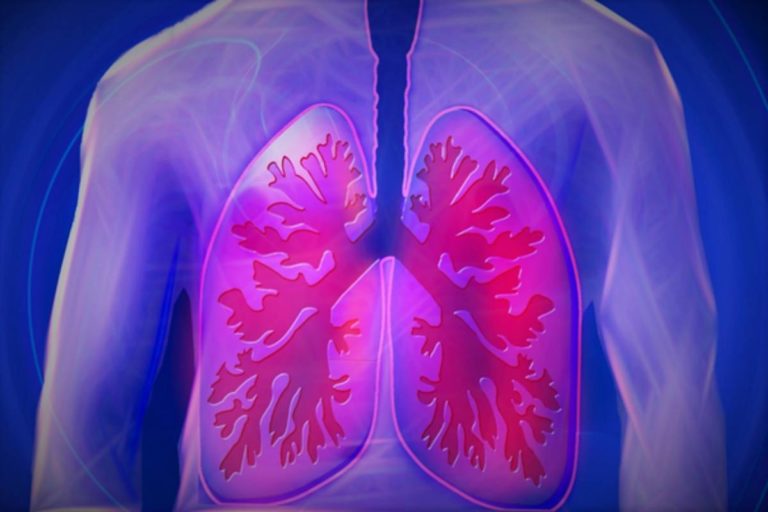
Lung Diseases: Asthma is just one lung disease affecting more than 25 million Americans. Several factors can cause and worsen the symptoms of lung disease. These range from environmental factors to lifestyle choices.

If you’re suddenly having a hard time breathing then read on for a list of the most common lung diseases and what you can do to help alleviate breathing pains.

Different Types of Lung Diseases

Lung diseases are generally split into three categories:

  • Restrictive
  • Obstructive
  • Pulmonary vascular

Obstructive lung diseases obstruct airways such as asthma. Restrictive lung diseases restrict how much the lung can expand by. Pulmonary vascular diseases affect the blood vessels that connect the lungs to the heart.

Asthma

The airways of asthma sufferers are hypersensitive and constantly inflamed. When they are ‘triggered’ the airways swell even more restricting airflow in and out of the lungs. Muscles that wrap around the airways can also tighten, restricting breathing even further.

Chronic Obstructive Pulmonary Disease (COPD)

COPD is the name of several lung conditions that cause breathing problems. COPD affects more than 200 million people worldwide. One of the leading causes of COPD is smoking with 20% of smokers eventually developing the disease.

Symptoms of lung diseases associated with COPD include progressive breathlessness, a persistent chesty cough, and regular chest infections.

Emphysema

Emphysema is one of these diseases and it affects the air sacs (alveoli) in the lungs. Over time the walls between the air sacs can lose their shape and become damaged. In a healthy lung, there are lots of tiny alveoli, but as emphysema sets in they become fewer and larger. This makes it more difficult to absorb enough oxygen.

Chronic Bronchitis

Chronic Bronchitis is also largely caused by smoking. The bronchial tubes that carry air to and from the alveoli become inflamed. This causes mucus to build up blocking the passage of air. Over time this makes it harder for your body to receive oxygen and more difficult to expel carbon dioxide.

For more information about bronchitis read this article by Online Pharmacies Canada.

Pneumonia

Pneumonia is a restrictive lung disease that causes the alveoli to fill up with liquid. It can be caused by several different viruses and diseases such as influenza. Over time the lungs can become scarred, decreasing oxygen levels and rising carbon dioxide levels.

Lung Cancer

As cancer cells grow in the lungs they can obstruct airways and cause fluid to build up in and around the lungs. This means that lung cancer is often restrictive and obstructive. One in 16 people will be diagnosed with lung cancer at some point in their lifetime.

How to Alleviate Breathing Pain?

Living with any lung disease can be uncomfortable. One of the most common symptoms of lung diseases is breathing pain. Here are a few ways to help alleviate breathing pain.

Posture

When you slouch you restrict the amount by which your lungs can expand. Sitting and standing upright opens up your chest cavity. This will release a lot of strain on your lungs and surrounding muscles.

Improve Your Fitness

Exercise has huge benefits on your respiratory system. It strengthens the heart and all the muscles involved in breathing. Over time it will reduce the amount of oxygen the body needs to do physical activities.

Change Your Eating Habits

If you often have difficulty breathing after meals, then it might be a case of eating too much at once. Try eating smaller portions so the stomach doesn’t expand too much and puts pressure on the lungs.

Living With Lung Disease

The above lung diseases are just a few of many conditions affecting the respiratory system. If you suddenly find yourself developing shortness of breath and discomfort breathing then it’s important to visit your doctor as soon as possible. Leading a healthy lifestyle will help to alleviate symptoms along with medication.

How Long Can Insomnia Be Endured Without Sleep?

0

The importance of sleeping and resting well every day

We need sleep, and it’s not just that we like it, it’s that our own body asks us to. People due to noise, annoying neighbors, emotional problems, and an excess of worries, cannot sleep. With a single night of lack of sleep, you can see how insomnia is harmful to your life, but if the problem also lengthens, we enter a situation of significant risk to health. We are wondering how long a person can sleep without, although we are not willing to do the test.

Why Sleep and Rest Matter for Insomnia

Sleeping is essential to our life. When sleeping, the body and brain enter into rest, and it is the only way that our body has to recover the energy lost during the day and to do a kind of restart as if it were a computer. We sleep to rest, to regenerate our functions, to get rid of what we have leftover, and to make room for what is essential.

We have to sleep, and the idea is to do it every night for about 8 hours, but each person has different needs. Either by obligation, because their professions force them to work at night or stay awake in the guards for a long time or due to their own physiological needs, some people sleep 8 hours of rigor, but others wake up in shape with fewer hours, getting up early. More or getting up later.

Sleep needs also change with age. While babies and children need many hours of sleep, adults are governed by those 8 hours on average. For its part, as we get older, the hours and quality of sleep decrease. In any case, and with our differences, we all need sleep. And we all need restful sleep.

What Occurs to the Body if You don’t Sleep?


Because if sleep does not come or if we do not have a good quality of sleep, we notice it right away. It is something that we cannot avoid that discomfort after having had a bad night. We don’t give upwe feel sadtired, unmotivated, we can’t concentrate, and we wonder where our energy has been.

People who have insomnia know well what its serious effects are and how lack of sleep impacts their quality of life. And both physical and mental health suffer. Some of the top common concerns of not sleeping are dizziness, headache, muscle aches, blurred vision, weakness, nausea, or trembling of the hands.

For example more dangerous are some diseases derived from lack of sleep: ” heart disease, hypertension, diabetes, gastrointestinal, urinary or respiratory problems, ” as stated by Julio Fernández Mendoza’s thesis on Chronic Insomnia for the Complutense University of Madrid. And we cannot forget about the psychological complications caused by not sleeping well, such as lack of concentration, lack of motivation, sadness, mental confusion, nervousness, or irritability. A significant lack of sleep can lead to depersonalization and also hallucinations.

How Long Can You Function Without Sleep?

By proxy, you can go without sleep for a long time. It is from 78 hours when the body begins to suffer, but in this period, the consequences of lack of sleep are reversible. Sleep deprivation is part of those tortures that we have read and heard, and there are also many soldiers who in war situations have gone 4 days without sleep.

The risks increase as the time you go without sleep increases. We have told of a 17-year-old student who holds the record for hours without sleep. In 1965 Randy Gardner spent 264 hours awake, that is, 11 days. According to the University of California, which investigated the case, the student presented a picture of cognitive deficiencies, vision and speech problems, and hallucinations.

We better not do the test because a lack of sleep can be fatal. This is the case of people who suffer from the so-called Fatal Family Insomnia, a strange hereditary disease presented by 40 families in the world. The disease appears around the age of 50 or 60 and begins with insomnia, which could be habitual, which progresses to weight loss, halluPcinations, dementia, and, finally, death.

Lack of sleep causes irreparable damage to the brain, but we are talking about extreme and prolonged situations. In general, our body has an excellent capacity for recovery, although we will not deny that suffering from insomnia dramatically reduces the quality of life.

Why Is Sleep Hygiene Important for Insomnia?

People who consider sleeping is a waste of time, we promote : if you sleep well, you live better. That is why we always insist on scrupulous sleep hygiene without waiting for insomnia problems to appear. Do you want to know what this sleep hygiene consists of?

  • You have to have a regular time to go to bed and get up. Not from Monday to Friday, but from Monday to Monday. This will eventually lead to the body itself, claiming the time to go to sleep when it needs it.
  • Avoid stimulant drinks and coffee about 6 hours before bed.
  • If you can avoid a nap, the better. If you can’t avoid it, try reducing it to 20 minutes.
  • Have a light dinner is avoiding fats, spicy and sugar, and, if possible, about 2 hours before going to bed.
  • The exercise helps you sleep, but not if you do it right before bed.
  • The pajamas or clothing you wear to sleep must be comfortable.
  • Also pay attention to the bedding, wash the sheets frequently, and  even color influences the quality of sleep. Opt for pastel shades and avoid bright or very bright colors in bed.
  • Controls noise from outside. If you can’t avoid it, the classic option is earplugs.
  • Although some people like to sleep with light or clarity, total darkness provides more rest.
  • The temperature of the room is also critical; remember that virtue is in the middle point. And you have to ventilate or ventilate the bedroom every day.
  • Reduce daily activity as the hours’ progress.  The stress of work in the morning,  physical exercise in the afternoon, and relaxation for the final hours of the day. Reading falls within the recommended activities to slow down.
  • The bed is for sleeping, but not for watching TV, working, eating, or any other activity you can think of. If you relate the bed only for sleeping, you will have fewer possibilities of suffering from insomnia in the future.
  • We have a recommendation that your sleep hygiene is almost perfect, although it is the most challenging guideline to meet. No social media in bed the mobile phone should stay out of the bedroom. Will you be able to do it?

Benefits Of Long-Term Addiction Treatment

0

If you are an alcohol or drug addict and want to overcome your addiction, then you need to go through the physical and mental treatment program in the Drug Detox Center to get rid of your addiction. Addiction rehabilitation centers have helped millions of people to get rid of their dependency upon drugs permanently by enrolling them in the treatment program.

In rehab, you will get a stable and secure environment to recover with no access to drugs, alcohol, or any kind of substance abuse. The medical team will be administering the program and provide quality health care service round the clock for the fast recovery of the patient.

Here are few benefits of enrolling in the rehabilitation treatment program:

Get Rid Of Your Addiction

The chances of quitting drugs or alcohol increase when a person is being treated in the Rehab Centre, then going Cold Turkey. Why? Well! When you quit drugs, withdrawal symptoms occur. These symptoms can be life-threatening, if not treated properly. The most common types of withdrawal symptoms are; anxiety, depression, restlessness, insomnia, and more. And, if the situation gets worse, a person may experience seizures or other dangerous withdrawal symptoms.

During your stay in rehab, you will be under the observation of highly experienced medical staff available round the clock to help you in overcoming your addiction. Psychologists, psychiatrists, and counselors are also available for monitoring the treatment and helping to make improvements. So,  it will become easy for an addict to deal with the withdrawal or release, and they start feeling better.

Improved Self Confidence

People addicted to drugs or alcohol often experience low self-esteem because they lose control of their life over the drugs and are unable to regain them. This problem is not uncommon with people who are dependent upon substances and unable to quit them. However, later this repeated cycle results in the feeling of helplessness and frustration. Austin Rehab Center can help a person to regain lost self-confidence, the treatment program that helps an addict to develop sobriety skills and empower your mind to stay focused on recovery. The longer an addict suffers from the addiction and develops, the more positive they will feel about having an ability to withstand the triggers and cravings for drugs. They will regain self-confidence and get to know that they can remain sober for the rest of their life, function productively without consuming alcohol or drugs.  This long-term success will bring positive hope for the future and boost up self-confidence.

Build a Happy Life

The biggest benefit of quitting drugs or alcohol is that people can indulge themselves into productive activities that will bring the lost joy and reinforce the recovery. Also, people get to develop healthy routines and are able to make better decisions about life. Rehabilitation plays a very important role in the ongoing recovery and makes sure that person is able to live life at its best.

These are some wonderful benefits that you can enjoy after joining the drug Detox center while getting rehabilitation treatment. Rehabilitation not only helped the addicts to detoxify their body and get healthy, but it also shows them a new picture of living a healthy and happy life without consuming drugs or alcohol.  You get a chance to improve your relationships with family and friends that you may have compromised because of substance dependency.

So, if you are a victim of drugs or alcohol dependency for a long time and want to quit it, find the best Austin Detox Center today and join the Rehab program. Once you complete the rehabilitation treatment you will start noticing the positive changes in your life and be able to spend it soberly and happily ever after.

5 Cookies to Bring to Your Next Party

0

Most of us have been in a situation where we’re invited to a get-together, and we’ve been asked to bring something. While some of us hope to get the “bottle of wine” question that doesn’t mandate cooking or preparing, others get excited over the prospect of preparing a simple and delicious dessert for our friends to enjoy. And what is the best sweet finger food for a party? Cookies! But alas, you are faced with another problem: what kind of cookies do you bring? Well, worry no longer; here are five cookies to bring to your next party!

1.  Chocolate Chip Cookies

Arguably the most famous cookie of all time, you can’t go wrong with a chocolate chip cookie. But, if you’re going to go the standard route, don’t just pick up a package of stale store-bought cookies! There are plenty of recipes for delicious chocolate chip cookies; whether you like them big and soft, thin, or crunchy, you can find a recipe that brings out the baker in you—whether you knew they were there or not! Chocolate chip cookies can even be a great option for those who are dieting. Consider using keto friendly chocolate chips, use alternative milk or butter, and even consider alternative flour. The classic chocolate chip cookie is not only a staple but can wow your friends or guests.

2. Snickerdoodle

Snickerdoodles are another simple yet great cookie. Some mistake these for the further understated sugar cookie, but the snickerdoodle is much more. This cookie takes almost no time to make, has very few ingredients, and is topped with cinnamon or brown sugar. For anyone who has found a snickerdoodle recipe that they love, there is a reason this cookie is beloved. They tend to be soft with a crusted outer edge and are an excellent pairing with tea or an aromatic drink.

3. Sensitive Stomach Cookie

Alright, this one is not the actual name of a cookie, but odds are, a few people at your party have some stomach sensitivities. If you can cater to these people as well and can do so while still producing a delicious cookie, you will be the talk of the party. The most common sensitivities that cookies can trigger are dairy sensitivities, gluten allergies, and nut allergies. Thankfully, there are ways to easily combat all of these without sacrificing taste.

Alternative flours are a great way to avoid affecting those with gluten allergies. Almond flour, coconut flour, hemp flour, and a number of others will help you avoid triggering a gluten sensitivity. You may need to include a little bit of xantham gum to help with texture, but a number of alternative flours already include this. Make sure not to use something like an almond flour if you have attendees with a nut allergy.

Alternative milk is a great way to avoid hurting those with dairy sensitivities. Use almond milk, oat milk, coconut milk, or hemp milk instead of cow’s milk. If the butter is a requirement, there are a number of butter alternatives that are dairy free at your local grocery store; some oils may also work.

Lastly, when it comes to additives, such as chocolate, a number of people with dairy sensitivities can actually have dark chocolate. While it’s always good to check, an option like keto-friendly dark chocolate chips may help your friends still get a chocolate cookie without worrying about what comes after.

One of the best ways to win over all of your guests is to find a delicious recipe that everyone can eat and enjoy together.

4. Sugar Cookie

We mentioned this cookie earlier, but the sugar cookie can be an art form. With options for a multitude of different frostings, as well as the ability to color and display these cookies, they can be a fun choice to bring some brightness and flare into your party. Just make sure that they aren’t too sweet. Find a good balance between their namesake and being just a little bit too much.

5. Macaroons

Macaroons are among the most difficult cookies to make but are an exciting addition to any dessert table. There are a number of different types of macaroons, and they are typically made utilizing ground nuts. French macaroons look like two small cookies with a filling in between and range in their color and flavor. Coconut macaroons are also fairly popular but look vastly different from the more colorful French macaroon.

The One You Love

The best cookie that you can bring to a party is a cookie that you love. The opportunity to share something you love to make with the people that you love is what a party is all about. So find a cookie recipe you just love to bake and share it with your friends.

Live Longer Tips For Healthy Aging?

0

Age Is Inevitable, But Its Speed Varies

Aging: Certainly, we are all tumbling headlong toward our inevitable corporeal demise and that transition into the next reality which will prove what was and wasn’t important in life. But until we shuck this mortal coil, here we are. For most, delaying the transition called death is the aim. The best way to do this is to age more healthily and practice good habits.

In modernity, more people than ever are reaching their centennial birthday, and living even a few years after that. France’s own Jeanne Louise Calment passed away in 1997 at the ripe old age of 122. Kane Tanaka was born in 1903 and is still alive today at the astonishing age of 118.

Can you imagine living that long? Well, if the Maker of all smiles on you, it could happen. What will help is taking proper care of yourself? In this writing, we’ll cover three notable tips related to aging, and how best to conduct yourself so that you have the greatest possibility of living the longest.

1. Eat Right, Exercise, And Supplement With Vitamins

Are you eating deep fat fried foods, starches, and sugars all day? That’s a great way to die decades earlier than you have to from heart disease or obesity. What’s better is eating healthy foods in a balanced way. The more balanced your diet, the longer you’re likely to live. However, that’s not the only component to consider as regards longevity.

You also need to exercise the right amount, and at regular intervals. A half-hour a day six days a week should do the trick; at least break a sweat three days a week with a recovery day between them if going a half hour six days a week isn’t feasible.

Lastly, supplement with vitamins. Vitamin C, vitamin D, Vitamin B, and B17, zinc, iron—there are all kinds of supplementary vitamins out there. If you’ve got a doctor, talk to that individual; but don’t be afraid of what you’ve learned through your own research either—doctors don’t tend to live long despite their knowledge; at least according to this Indian study.

A lot of that has to do with things like PTSD, associated vices, and suicide. Doctors aren’t known to be as healthy as some professions. However, there is at least some partial component emanating from an incorrect application of medical understanding; and that component won’t be fully understood until we can look back from the future.

2. Find Affordable Health Plans

Even if you’re eating all the right foods, staying fit, and supplementing with vitamins, that doesn’t mean you’ll never be injured. Sometimes that injury is directly visible, sometimes it’s the result of poisoning, radiation, supplementation with toxic elements, or some other hidden scourge. So to age gracefully, you’ll want the best health plan you can find to cover preventive care in your younger years.

Getting checked out at intervals by professional practitioners is wise; even wiser is having an emergency safety net through insurance. When you boil off the rhetoric, that’s what health insurance represents.

3. Will, Emotions, And The Soul: Living Well—Stress Elimination

There is such a thing as a “will to live”. There is such a thing as a “death by despair”. People literally die of broken hearts. One reason for this may have to do with something called telomerase, which is produced by telomeres. Telomeres are like the tape at the end of a shoestring; only the shoestring is your DNA.

When that tape erodes, so goes the DNA strand, and your age. Stress facilitates telomerase erosion. Stress is like not tying your shoes properly and stepping all over the taped ends until the strings unravel. If you’re emotionally unhealthy, your will is toward things that are bad for you, and you don’t live well. Despite healthcare, exercise, and diet, you’ll still die earlier.

Stress ages you and can be avoided. The ethicality of daily life will impact emotional stability. “Will” can provide you the strength to live as well. These things have an ethereal quality only just becoming understood by modern medicine. The bottom line? Find ways of avoiding negative stress (like despair or depression) and keeping good stress (like exercise or anticipation).

Aging Gracefully

Align your mind in terms of activity for negative stress reduction. Get health insurance on which you can rely for emergencies. Eat right, exercise regularly, and supplement with vitamins. Like a cord of three strands, these three approaches to health maintenance will help you age or aging more gracefully, and all things being equal, may even extend your lifespan.

error: Content is protected !!