Home Blog Page 3

Understanding Sudden Hearing Loss Guide

What is Sudden Hearing Loss?

Sudden hearing loss happens when you lose hearing quickly—usually in just one ear—within three days or less. It’s exactly what it sounds like: one day you can hear normally, and the next day (or even within hours), you can’t.

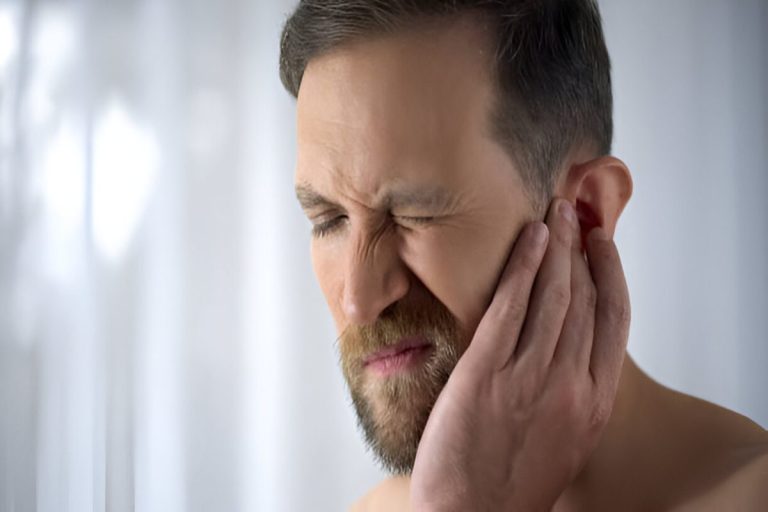
This isn’t just a minor inconvenience. It can range from mild hearing difficulty to complete deafness in the affected ear. People describe it as waking up to a world that sounds muffled, or feeling like their ear is stuffed with cotton.

Many people don’t realize how serious this is at first. They think it’s just allergies, earwax, or being tired. But waiting too long to get help can make the difference between getting your hearing back and losing it permanently.

How Common is This?

About 15 people out of every 100,000 experience sudden hearing loss each year. It mostly happens to adults between 30 and 60, but anyone can be affected—even children, though it’s rare in young people.

The tricky part? Doctors can’t always figure out what caused it. That’s why getting treatment quickly is so important—the sooner you act, the better your chances of recovery.

What Causes Sudden Hearing Loss?

Infections and Immune System Problems

Viruses are often the culprits. Common ones like the flu, mumps, or measles can inflame your inner ear and damage your hearing. Sometimes your own immune system turns against you, attacking the delicate parts of your ear by mistake. This happens with conditions like lupus or Cogan’s syndrome.

More serious infections like meningitis or inner ear infections can also trigger sudden hearing loss. But here’s the frustrating part—doctors often can’t pinpoint the exact cause, even after running lots of tests.

Injuries and Trauma

A blow to the head or ear can damage your hearing instantly. But it’s not just obvious injuries—extremely loud sounds can do it too. Think concert speakers, explosions, or even a really loud gunshot. These can permanently damage the tiny hair cells in your ear that help you hear.

Even changes in air pressure (like when flying or diving) can sometimes cause problems if your ears can’t adjust properly. Surgery near the ear, while rare, can sometimes accidentally damage hearing too.

Warning Signs You Can’t Ignore

The Main Symptoms

The biggest red flag is obvious: you suddenly can’t hear as well in one ear. But it’s not always dramatic. Sometimes it creeps up over a day or two. You might notice:

  • Everyday sounds seem muffled or distant
  • You have trouble following conversations
  • Your ear feels “full” or plugged
  • You keep turning up the TV or asking people to repeat themselves

Don’t wait to see if it gets better on its own. Time is critical here.

Other Symptoms to Watch For

Along with hearing loss, you might experience:

  • Tinnitus: Ringing, buzzing, or hissing sounds that aren’t really there
  • Dizziness or balance problems: This suggests your inner ear’s balance system is affected too
  • Headaches or ear pain
  • A feeling of pressure in your ear

If you have any of these symptoms along with hearing loss, see a doctor immediately. These aren’t just annoying side effects—they’re clues about what’s happening in your ear.

Treatment: What Can Be Done?

Medical Treatments

The good news? There are treatments that can help, especially if you act fast.

Steroids are the first line of defense. Doctors usually prescribe corticosteroids to reduce inflammation in your ear. The catch? They work best when started within the first few days of hearing loss. Wait too long, and they’re much less effective.

For severe cases, doctors might consider:

  • Surgery to repair damaged parts of the ear
  • Hearing aids to amplify sound
  • Cochlear implants for profound hearing loss

The key is getting evaluated quickly. An audiologist will test your hearing, and doctors may order imaging tests to figure out what’s going on.

Lifestyle Changes That Might Help

While medical treatment is essential, some lifestyle changes might support your recovery:

  • Eat for ear health: Foods rich in omega-3s (like salmon), antioxidants (berries, leafy greens), and vitamins B and E may help protect your hearing.
  • Stay active: Regular exercise improves blood flow throughout your body, including to your ears.
  • Manage stress: Techniques like yoga or meditation can help you cope with the anxiety that often comes with sudden hearing loss.
  • Protect your remaining hearing: Use ear protection around loud sounds and be gentle with your ears.

Remember, these lifestyle changes support medical treatment—they don’t replace it. Always work with your healthcare team for the best results.

The Bottom Line

Sudden hearing loss is a medical emergency, not something to “wait and see” about. The sooner you get treatment, the better your chances of recovering your hearing. If you wake up and can’t hear properly in one ear, don’t assume it’s just earwax or allergies. See a doctor or audiologist right away.

Your hearing is precious, and with quick action, you might be able to save it.

What If Animals Went to the Dentist?

0

Have you ever wondered what it would be like if animals had to sit in the dental chair like we do? Imagine a crocodile nervously gripping the armrests or a beaver getting braces. While we obviously won’t see a gorilla flipping through magazines in a waiting room, there’s actually a lot we can learn from the way animals use, protect, and even clean their teeth.

As your trusted Idaho Falls dentist, we think it’s fun to look at the wild side of dental care—and maybe pick up a few lessons along the way.

Crocodiles: Nature’s Dental Cleaning Hack

Crocodiles have over 60 teeth, and when one falls out, another one grows in its place. But the real shocker? They get dental cleanings from tiny birds! Egyptian plovers fly into their open mouths and peck away at leftover food and plaque. It’s a mutual win—free food for the bird and a clean mouth for the crocodile. While this may sound convenient, we still recommend floss over feathers.

Sharks: The Ultimate Tooth Replacement Plan

Sharks lose thousands of teeth over their lifetimes. Some species can replace a tooth in just one day. Their teeth grow in rows, moving forward like a conveyor belt. While humans can’t do that (yet), it’s a good reminder to take care of the teeth we do have. Regular cleanings with a dentist in Idaho Falls can help you keep your original smile healthy for years.

Beavers: Natural Braces?

A beaver’s teeth never stop growing, which is why they’re constantly chewing on wood. It wears down their teeth and keeps them from becoming dangerously long. Their orange color comes from iron in the enamel, which actually makes them stronger! If your teeth were constantly growing, you’d probably chew on things too.

Elephants: The Power of Molars

Elephants go through six sets of molars in their lifetime, each larger than the last. When their final set wears down, it can actually limit their ability to eat. That’s how important chewing is to survival—even in the animal kingdom.

Snails: Yes, They Have Teeth (Thousands!)

Snails have microscopic teeth on a structure called a radula. They use it to scrape and grind food. Some species have over 14,000 teeth! While you won’t need that many dental X-rays, it’s fascinating how evolution has created so many variations of “teeth.”

What Humans Do Better

Despite all the fascinating adaptations, there’s one big thing animals don’t have—dentists! They rely on nature to clean, replace, or wear down their teeth. Humans, on the other hand, have the advantage of modern dental care. And trust us, that’s a good thing.

We don’t grow new teeth in a day like sharks or have birds clean between our molars. But we do have professional tools, technology, and training to keep your teeth healthy—without the need for tree trunks or bird beaks.

Take a Cue from Nature—But See a Dentist

Observing how animals handle dental care can be fun and educational, but when it comes to your own oral health, nothing beats a professional approach. Brushing and flossing daily, avoiding excess sugar, and visiting your Idaho Falls dentist regularly are still the best ways to protect your smile.

Next time you see a video of a hippo opening its massive jaws or a walrus flashing its tusks, think about what their dental day would look like—and be glad your appointment involves a reclining chair and minty toothpaste instead.

Mango Worms: A Guide to Prevention and Treatment

What is Mango Worm?

Mango worms, also known as Cordylobia Anthropophaga, are parasitic fly larva that infests the skin of mammals, including humans and animals like dogs, cats, and rodents.

These parasites are found mainly in sub-Saharan Africa and are most common during the rainy season.

The adult Tumbu fly lays eggs on the ground or on objects, such as clothing or bedding, that are in contact with the ground.

The larvae can survive for up to two weeks without a host, so when a human or animal comes into contact with the eggs, the warmth and moisture of the body cause the eggs to hatch and the larvae to burrow into the skin.

The larvae then feed on the host’s tissue and grow, causing a raised bump on the skin. Eventually, the larvae emerge from the skin as mature flies.

This condition is known as myiasis, most common in tropical and subtropical regions of Africa.

Life Cycle of Mango Worms

Adult Flies Lay Eggs

Adult female flies lay their eggs on the ground, in soil, or in damp clothes.

When an appropriate host comes in contact with the eggs, they can hatch and penetrate the host’s skin.

Larvae Infestation

The larvae burrow into the skin, creating a small breathing hole to continue their development.

As they grow, they make a lump or swelling on the skin, which can be painful and itchy.

Pupa Stage

After a few weeks of feeding and growing under the skin, the larvae reach the pupa stage. During this time, they develop into the next phase of their life cycle.

Emerging as Adult Flies

Eventually, the fully developed adult flies emerge from the pupa and leave the host’s body, completing the life cycle.

Symptoms of a Mango Worm Infestation

  • Itchy red bumps on the skin
  • Pus-filled bumps
  • Blister-like lesions
  • Central breathing hole associated with a skin bump
  • Extreme itching and discomfort
  • Restlessness and inability to sleep
  • Decreased appetite
  • Fever (if wounds become infected)

If you think you have mango worms, seeing a doctor as soon as possible is essential. The doctor can remove the larvae and prescribe antibiotics to prevent infection.

Treatment & Techniques for Removing Mango Fly Larvae

Mango worm infestations in humans can be pretty distressing and may require medical attention.

The treatment involves the removal of the larvae from the skin, typically done by a medical professional using sterile instruments.

Hydraulic Expulsion

A doctor will inject each boil with lidocaine and epinephrine to numb the area. Then, they will use a syringe to flush the larvae out of the skin.

Suffocation and Pressure

The doctor will remove any scab that appears on the top of the lesion. Then, they will apply pressure to the lesion to suffocate the larvae.

Squeeze and Eject

The doctor will squeeze the lesion to force the larvae out of the skin.

After removing the larvae, the doctor may prescribe antibiotics to prevent infection.

The wound should also be kept clean and covered with a bandage.

Infected areas may need cleaning and dressing appropriately to avoid secondary infections.

Mango worms can cause a painful and uncomfortable infestation but are not usually dangerous.

Tips to Prevent Mango Worm Infestation

  • Avoid walking barefoot in areas where mango flies are common.
  • Wear long sleeves and pants in areas where mango flies are common.
  • Keep your clothing and bedding clean and dry.
  • Do not leave food or garbage out in the open.
  • If you think a mango fly has bitten you, immediately wash the area with soap and water.

Following these tips can help protect yourself from mango worm infestation.

Bottom Line

The term “mango worms” is a colloquial name given to the larvae because they are often found in mangoes, a typical food in the regions where the tumbu fly is found.

With proper treatment, mango worms are usually not a severe problem. However, seeing a doctor as soon as possible to prevent infection & reduce the risk of complications.

Reviewed – The Most Discreet Hearing Aids On The Market

0

Wearing glasses has in recent years become a cool fashion statement, taking the stigma out of poor eyesight. The same, however, can’t be said for wearing hearing aids and, therefore, hearing loss. But while hearing aids may never look fashionable, they have become incredibly discreet in recent times. Here we’ll review the most discreet hearing aids currently on the market.

Previously not only were most hearing aids clunky affairs that hooked noticeably over each ear, but they also didn’t provide excellent sound quality. It was, therefore, common for users to not put them on or have them turned on. Thus perpetuating the somewhat annoying reputation that users can have. Thank goodness technology has moved on, and now practically invisible devices deliver crystal clear sound.

Tiny Device, Big Sound

The most discreet hearing aids on the market sit right down in the ear canal, making them barely visible to the casual observer. These devices are best for mild to moderate hearing loss and decent agility. Due to the small size, they can light on additional features with no manual controls, so bear that in mind before you start shopping.

Eargo

Eargoproduces several CIC (completely-in-canal)hearing aids that are an excellent choice for mild to moderate hearing loss. Boasting crisp, clear sound with improved speech clarity, you’ll enjoy conversation again. If you’re a glasses wearer as well, you’ll enjoy the comfort of hearing well without the bulk behind your ears.

As you can order Eargo products online, you can order them at your convenience. All you need is a current audiogram, which you can arrange through Eargo if required. Despite not being purchased in-store, Eargo offers lots of support, which means you’ll have your new hearing aids working in no time. And should you find after several weeks of use, they aren’t for you, there is a 45-day return period.

Phonak Lyric

If you prefer having your hearing aids fitted by a professional in person, then the Phonak Lyric is a good option. These CIC aids are fitted by a hearing specialist and then stay in place for a few months before being changed by your professional. The benefit of this is that you’re sure of the perfect fit every time. It also has the advantage of meaning you never need to worry about batteries, as you’ll get fresh batteries with each new set.

Other devices must rely mainly on microphones to pick up surrounding sounds. The beauty of these devices is that you sit far down your ear canal, allowing them to use anatomy to capture and amplify sound. By picking up the sound in the ear canal, you are provided with a natural listening experience. You’ll notice a lack of wind interference as well, which helps keep your sound clear.

Livio Edge AI

Starkey has an outstanding array of hearing aids in the Livio Edge AI range meaning you have an excellent choice for ultimate comfort. The largest style within this range is the receiver in-ear model, which sees a small earpiece tucked behind your ear while the inconspicuous receiver sits in the ear canal. Regardless of whether you choose to go for CIC or RIE, a range of colors is offered, meaning you can personalize your hearing aids also. All while still providing the utmost discretion regardless of the style chosen.

These aids are packed full of features that make them an attractive option for people with a range of hearing loss issues. The incorporation of AI means that your listening quality is constantly monitored and adjusted to give the best sound possible. Being Bluetooth enabled means you can stream phone calls and your favorite podcast direct to your ears as well. This means no more getting lost trying to follow conversations when you can’t see the speaker’s face.

When In-Ear Isn’t Enough

Being afflicted by a more severe hearing loss doesn’t mean you are lumbered with a large and unsightly Behind-Ear device. Technology has also moved on with these devices, meaning they are now more streamlined and attractive. These devices also have the advantage of having room for the full range of available features.

Audicus

When In-Ear devices are not appropriate, you need not despair about presenting to the world as a hearing aid user first and foremost. Audicus has several BTE hearing aids that are very small and discreet, with a stylish design to boot. The in-ear receiver piece sits comfortably in the ear canal connected to the main part by a clear plastic tube that blends into your ear.

The Audicus Spirit is packed with features in the discreet little case, including Bluetooth and rechargeable batteries. The handy app gives you complete control of your hearing aid settings right from your phone screen. You also have access to comprehensive aftercare support, so any issues you may come across can be dealt with quickly. That means no waiting around with impaired hearing while you wait for an appointment to get problems sorted.

Regardless of whether you suffer from only a mild hearing loss or a more severe loss, you’ll be able to find a comfortable and discreet hearing aid that suits your needs. No longer are your only options, bulky over-the-ear devices that stand out visually while not providing an outstanding hearing experience. Depending on your hearing loss levels, you can have anything from invisible CIC to slimline discreet behind ear devices.

Top Food To Ease Cravings During Pregnancy

0

Pregnancy is when your body needs extra nutrition to grow a baby. Food cravings are very common during pregnancy. Some women crave specific types of food, while others crave unusual food combinations.

These urges can last anywhere from a few minutes to several days. Cravings are not harmful to the mother or her unborn child.

However, if you cannot resist the craving, try to satisfy yourself with something else. If you ignore the craving, you may eat unhealthy food choices.

Pregnancy cravings are not something you should ignore. You need to understand why you feel like eating certain foods and how you can handle your relationship with food during pregnancy.

What Are Pregnancy Cravings?

Pregnancy craving is an extreme desire to eat specific foods. These cravings usually start at around four to five weeks of pregnancy and reach their peak during the second trimester.

However, they can happen at any time during pregnancy. Therefore, pregnant women need to monitor their eating habits very carefully, as this may affect their health and their baby’s growth and developmental stages.

It’s normal to experience cravings during pregnancy. Cravings are a natural response to hormonal changes in your body. However, if you notice yourself craving junk food, it could mean your eating habits aren’t balanced enough.

Pregnancy cravings: what causes them?

 Pregnancy cravings are often due to fluctuations in hormone levels during pregnancy. Your body may also crave certain foods because you’re not getting enough nutrients or vitamins.

Pregnancy cravings and aversions can begin at any time during pregnancy. However, the first trimester is usually when you will notice them most.

Food cravings and aversions are often amongst your first, most noticeable signs that you are pregnant.

While you might feel like eating something sweet, salty, or fatty, it’s best to avoid them if possible.

Instead, choose healthy snacks like dried fruits and nuts to satisfy your hunger. Please read on to learn what pregnancy cravings are and how to manage them healthfully.

There are many ways you can handle your pregnancy cravings. So let’s look further at what food can be eaten to stop pregnancy cravings.

Vegan Milk


The dairy business is terrified because there is no way for them to legitimately compete with vegan milk, which are superior in every way.

They regularly have a superior flavour to cow’s milk. Creating a new life requires a lot of energy, which is why nutritional requirements increase during pregnancy.

For this reason, vegan milk like BamNut Milk is an excellent choice for pregnant women.

Peanut butter and bananas

Potassium and protein are two essential nutrients that, among other things, help control blood pressure.

While peanut butter offers a significant amount of proteins, fibers, and magnesium, You must know the bananas are also rich in potassium and contain other vitamins and minerals.

This is a terrific, simple snack because these items are necessary for you and your baby to keep healthy.

Fruit and vegetables

Aim to consume 5 servings or more of fruit and vegetables each day. The most refined foods to eat are diverse colours, which may be found in fresh, frozen, dried, and canned forms.

Besides, they are a good source of fiber, which lessens the risk of constipation, a typical issue during pregnancy.

Boiled Eggs

Because they are an excellent source of vitamins, proteins, and minerals, eggs are often referred to as superfoods.

Eggs benefit the developing infant by including proteins, which help the fetus’ cells grow and repair themselves.

Iced berries and grapes


Vitamin C and vitamin K are plenty in grapes and berries. They contain lots of antioxidants as well.

To make these sweet delights a more substantial snack, combine them with a source of protein and healthy fat, such as a handful of almonds.

Yogurt

A yogurt is a healthy option because it contains calcium, protein, and probiotics.

Choose Greek yogurt that is higher in protein and unsweetened; for additional flavour, think about adding fruit, almonds, seeds, unsweetened coconut, or granola.

A Soup Or Oats

A warm snack around midnight will put you to sleep quickly. Warm up a bowl of low-sodium soup or prepare some oatmeal with fresh fruit on top for a high-fiber, high-protein snack that will keep you full until the following day.

It provides many nutrients and vitamins that will help your baby grow properly. There are no artificial sweeteners or colours in BamNut Milk, and the groundnuts are sourced directly from smallholder farmers.

The Summary

When a woman is pregnant, she must be careful about what she eats. She should avoid certain foods because they may harm her baby.

If she eats something harmful, then her baby will also get harmed. Pregnancy is an exciting time sufficed with joy and anticipation.

You may feel like you need to prepare yourself mentally and physically for the changes ahead.

Pregnant women often crave certain foods, especially snacks, to help them get through each day.

However, pregnant women should avoid eating anything other than healthy, nutritious meals while pregnant.

Eating unhealthy snacks will not only affect your baby’s growth, but it could also cause you to experience morning sickness, fatigue, and mood swings.

Varicose Veins – All You Need To Know

0

Varicose veins, sometimes called spider veins, can develop due to aging, pregnancy, or prolonged sitting. They also tend to run in families. These veins are twisted, bulging veins that are usually blue or dark purple in appearance.

“Having concerns at the appearance of varicose veins on the skin is valid. For all you know, they could be an indication of a vein issue,” says Dr. David Pinsinski of Artemis Vein & Aesthetic Center. Varicose veins occur when vein valves fail or get broken, allowing blood to flow in the wrong direction or pool.

According to research, varicose veins or spider veins are considered to affect more than 23 percent of all individuals. Varicose veins affect about one out of every four adults in the United States.

What Are Varicose or Spider Veins?

Varicose veins are swollen, large veins that commonly develop on the legs and feet. They form when the valves in the veins fail to function properly, causing blood to flow inefficiently. Varicose veins rarely require medical treatment, but if they cause swelling, aching, painful legs, and significant discomfort, therapy is available. Several treatments, including some natural therapy, are available.

In severe circumstances, a varicose vein can burst or develop into varicose ulcers on the skin. This is a medical emergency. While varicose veins are usually merely inconvenient and ugly, they can sometimes be life-threatening if left untreated.

Varicose veins can obstruct adequate blood circulation if they are not appropriately treated. This can lead to blood clots, leading to Deep Vein Thrombosis, a potentially fatal illness.

What Causes Varicose or Spider Veins?

In the vein, there’s a one-way valve that allows blood flow only in one direction. The valves may grow weaker if the vein walls expand and become less flexible or elastic. Blood can leak backward and eventually flow in the opposite direction due to damage to the valve.

This can cause the build-up of blood in a vein or veins, causing them to expand and swell. The veins commonly impacted are the ones in the legs, which are the furthest from the heart.

Genetics, pregnancy and lifestyle are usually to blame for the cause of varicose veins.

Symptoms of Varicose or Spider Veins?

There are various ways people may start experiencing varicose or spider veins. They include:

  • When your ankles are swollen, your legs hurt, you feel cramps when getting out of bed (restless legs syndrome)
  • The feeling of heaviness on the leg, especially after exercising or when sleeping
  • A slight injury to the affected area causes the bleeding to last longer than usual
  • (Lipodermatosclerosis) A condition in which fat beneath the skin right above the ankle hardens, causing the skin to shrink
  • A gleaming discoloration of the skin near the varicose veins
  • Venous eczema, also known as stasis dermatitis, is a condition in which the skin in the affected area becomes red, dry, and itchy
  • When uneven whitish patches that resemble scars appear at the ankles, it is known as Atrophie Blanche

Risk of Having Varicose or Spider Veins

Experts are baffled as to why the walls of veins expand and why valves malfunction. However, the following factors can increase the possibility of developing varicose veins.

  • Jobs: some jobs require people to stand for a lengthy period. People who work in such places are likely to develop varicose veins
  • Age: the age factor is also another risk. It increases due to wear and tear on vascular valves
  • Genetics: When varicose veins are in the history of the family, you’re likely to be affected
  • Gender: females suffer from varicose veins more than men. Female hormones may cause veins to relax. If that’s the case, birth control pills or hormone therapy could help.
  • Obesity: being overweight, there’s a 90 percent chance of developing varicose veins
  • Exposure to the sun: Another common cause of varicose veins in the face
  • Pregnancy: as a woman’s uterus grows, she puts more strain on her veins.

How Can Varicose or Spider Veins Be Prevented?

Though a person’s genes and hormones have a role in forming varicose veins, preventing them from growing is not always possible. There are, however, some precautions that can be taken to lessen the risk of varicose veins.

Here are ways how to prevent varicose veins:

  • Regular exercise improves circulation and promotes blood flow back to the heart
  • Anyone whose circumstances require them to stand for an extended period should aim to walk around every 30 minutes
  • Avoid wearing clothes that constrict around the waist, groin, and upper legs, as this can prevent blood from flowing back to the heart
  • Maintaining a healthy body weight
  • To promote the easy flow of blood in the legs and throughout the body, take periodic walk breaks
  • Limiting salt intake, as too much sodium can cause swelling
  • Using compression stockings, apply gentle pressure to the legs to compress them and improve blood flow

Treatments of Varicose or Spider Veins

Treatment may not be essential if a person has no symptoms or discomfort and does not mind the appearance of varicose veins. Natural therapies such as compression stockings can provide relief for most people with varicose veins.

Suppose the symptoms persist and do not improve quickly. In that case, medical therapy may be required to relieve pain or discomfort and address consequences such as leg ulcers, skin discoloration, or swelling.

Some treatments for varicose vein include:

#1. Surgery

If a person’s varicose veins are extensive and irritating, surgery may be required. A treatment called ligation and stripping is used to remove the veins.

#2. Sclerotherapy

This is a procedure in which chemicals are injected into varicose veins, causing them to enlarge and close. Patients may need to repeat the treatment to remove the veins permanently.

#3. Endovenous Therapy

These procedures are typically carried out in a doctor’s office and entail putting a tiny catheter into a vein and closing it off with heat. Because the varicose vein is not functioning correctly, to begin with, sealing it off usually has few adverse effects.

#4. Laser Therapy

Varicose veins smaller than 3 millimeters in diameter can be treated with laser therapy.

#5. Compression Stockings

These are popular varicose vein treatments because they enhance blood circulation in the afflicted areas. Compression stockings are available over the counter or online, and a doctor can prescribe more excellent compression stockings if necessary.

Conclusion

Doctors are always coming up with innovative ways to treat varicose veins. On the other hand, varicose veins are common, and if they aren’t producing any symptoms or generating any adverse effects, they usually don’t require medical or invasive treatment.

How to Grow Your Lash Business on Instagram

In today’s digital age, Instagram is more than just a platform for sharing photos; it has long become a powerful marketing tool for businesses, especially in the beauty industry.

For lash artists specializing in mink lashes, the platform offers a unique opportunity to showcase their work, connect with potential clients, and build a loyal community. By leveraging Instagram marketing for lash techs, you can attract more clients and grow your lash business effectively. This guide outlines professional strategies to help lash artists elevate their Instagram game and thrive in the competitive beauty market.

Setting Up an Engaging Profile

Your Instagram profile serves as the first impression for potential clients, so making it visually appealing and informative is crucial. Here’s how to optimize your profile:

Craft a Professional Bio

Your bio should succinctly convey what your lash business is about and who your target audience is. Use keywords like “Certified Lash Artist,” “Luxury Lash Extensions,” or “Eyelash Enhancements in [Your City].” Include a call-to-action (CTA) such as “Book Now” or “DM for Appointments” with a link to your booking page or website.

Choose a Memorable Profile Photo

Use a clear and professional photo that aligns with your brand. This could be a logo, a well-designed brand graphic, or even a photo of yourself if personal branding is part of your strategy.

Maintain Consistent Branding

Use a cohesive color palette and aesthetic that reflects your lash business’s style. Consistent branding not only makes your profile visually pleasing but also helps establish brand recognition.

Content Ideas for Growth

Creating compelling content is essential for building a strong lash business on Instagram. Here are some content ideas that resonate with potential clients:

Before-and-After Photos

Showcase your lash transformation skills by posting side-by-side images of your clients. These photos highlight your expertise and give potential clients a glimpse of the results they can expect.

Reels and Videos

Instagram Reels are a great way to showcase your creativity and attract a wider audience. Consider posting short, engaging videos of lash application techniques, client reactions, or even behind-the-scenes glimpses of your studio.

Educational Posts

Establish yourself as an expert by sharing valuable tips, such as “How to Maintain Lash Extensions” or “Signs You Need a Lash Refill.” Educational posts build trust and demonstrate your knowledge in the field.

Client Testimonials and Reviews

Share feedback from satisfied clients to build credibility. Pair testimonials with photos or videos of the client’s lashes to make them more impactful.

Interactive Content

Use Instagram’s interactive features like polls, Q&A sessions, and quizzes to engage with your audience. For example, you can run a poll asking, “Which lash style do you prefer?” to spark conversations and gather insights.

Engagement and Hashtags

Consistency in engaging with your audience and using the right hashtags can dramatically improve your reach and visibility.

Respond to Comments and DMs

Engagement is a two-way street. Reply promptly to comments and direct messages to build rapport with your audience. This shows potential clients that you are approachable and professional.

Post Consistently

Create a posting schedule to maintain a regular presence. Aim for 3-5 posts per week and use Instagram Stories daily to keep your audience engaged.

Leverage Hashtags Strategically

Hashtags are essential for increasing discoverability. Use a mix of local, industry-specific, and popular hashtags such as #LashTech, #EyelashExtensions, and #[YourCity]Lashes. Avoid overloading posts with hashtags; 10-15 well-researched tags per post are sufficient.

Collaborate with Influencers and Local Businesses

Partnering with influencers or complementary businesses (like hairstylists or makeup artists) can expose your lash services to a broader audience. Offer free or discounted services in exchange for a shoutout or tag.

How to Attract Lash Clients on Instagram?

To convert followers into paying clients, focus on strategies that highlight your services and credibility:

Share Results-Driven Content

Emphasize posts that demonstrate the results your clients can expect. High-quality images and videos of lash transformations are particularly effective for this purpose.

Run Instagram Promotions

Offer special discounts or giveaways exclusively for your Instagram audience. For example, you could run a contest with the prize being a free lash set or a discount for referrals.

Showcase Your Expertise

Use Instagram Highlights to categorize key information, such as pricing, services, certifications, and FAQs. This makes it easy for potential clients to find what they need to know about booking with you.

Engage with Local Clients

Use geotags and location-based hashtags to attract nearby clients. For instance, tagging your city or neighborhood ensures that your posts appear to users in your local area.

Offer Value Beyond Lashes

Create a sense of community by sharing inspirational quotes, lifestyle tips, or beauty trends. This keeps your audience engaged even when they’re not actively looking to book a lash appointment.

Conclusion

Growing your lash business on Instagram requires a strategic approach that combines aesthetics, engagement, and professional expertise. By setting up an engaging profile, posting diverse and valuable content, and actively engaging with your audience, you can turn Instagram into a powerful marketing platform for your lash services.

Don’t forget to showcase your tools and products, especially those from a trusted lash supply store, to emphasize your commitment to quality and professionalism.

Remember, success on Instagram doesn’t happen overnight, but with consistent effort and creativity, your business will flourish. By following these social media tips for lash artists and incorporating Instagram marketing for lash techs into your overall strategy, you’ll not only attract new clients but also create a loyal community that values your artistry.

Hypochondria: Symptoms and Treatment

Health anxiety, clinically known as Illness Anxiety Disorder and formerly called hypochondria, is more than just worrying about your health.

It is a debilitating mental health condition where the fear of having a serious medical illness becomes all-consuming.

This fear persists even after doctors provide reassurance and medical tests show no evidence of disease.

This constant state of worry can disrupt careers, strain relationships, and significantly diminish one’s quality of life.

Understanding this condition is the first, crucial step toward managing it and reclaiming a sense of normalcy.

What is Hypochondria?

Hypochondria is a type of anxiety disorder characterized by a persistent and overwhelming preoccupation with having a serious illness.

Individuals with this condition misinterpret normal bodily sensations (like a heartbeat or muscle twitch) or minor symptoms (like a slight headache) as signs of a severe disease such as cancer, MS, or heart problems.

The defining feature is that this fear remains despite receiving appropriate medical evaluations and reassurance.

It’s not that the person is “faking it”—the anxiety and distress they feel are very real. The cycle of worry, checking, and seeking reassurance becomes the core problem itself.

Understanding Illness Anxiety Disorder

The diagnosis of Illness Anxiety Disorder, as outlined in the Diagnostic and Statistical Manual of Mental Disorders (DSM-5), requires that these preoccupations cause significant distress and impairment for at least six months.

Common Symptoms of Hypochondria

The symptoms are primarily cognitive and behavioral, revolving around obsessive thoughts and compulsive actions:

  • Preoccupation with Serious Illness: A constant, intrusive fear of having or developing a specific life-threatening disease. The focus may shift from one disease to another over time.

  • Misinterpreting Bodily Sensations: Viewing normal functions (like intestinal gas or sweating) or benign symptoms (a minor rash, a fleeting pain) as catastrophic proof of illness.

  • Compulsive Health-Related Behaviors: This includes repeatedly examining the body for signs of illness (“body checking”), spending excessive hours researching diseases online (a behavior known as cyberchondria), and frequently seeking reassurance from doctors, family, or friends.

  • Avoidance: Conversely, some individuals may develop a paralyzing fear of doctors and hospitals, avoiding all medical care due to the terror of receiving a dreaded diagnosis.

Primary Causes and Risk Factors

There is no single cause for health anxiety; it typically arises from a combination of factors:

  • Beliefs and Misconceptions: A lack of understanding about how the body works or what certain sensations mean can lead to catastrophic interpretations.

  • Family History: Growing up with a family member who had a serious illness or who was excessively anxious about health can increase one’s risk.

  • Past Trauma: Experiencing a serious childhood illness or undergoing traumatic medical procedures can leave a lasting impact.

  • Personality: Individuals who are generally more prone to anxiety, negativity, or are highly sensitive to physical stimuli may be more vulnerable.

  • Major Life Stressors: Events like the death of a loved one, job loss, or other significant stress can trigger the onset of health anxiety.

Different Types of Health Anxiety

Health anxiety can present in different ways, often overlapping with other conditions:

  1. Illness Anxiety Disorder: The primary issue is the fear of having an illness, with few or no physical symptoms present.

  2. Somatic Symptom Disorder: The focus is on the disabling nature of actual physical symptoms (e.g., chronic pain, fatigue), with excessive thoughts and behaviors related to them.

  3. Health-Related OCD: The anxiety manifests as classic obsessive-compulsive patterns, where intrusive thoughts about illness lead to compulsive rituals like repetitive hand-washing or seeking reassurance to neutralize the fear.

How to Overcome Hypochondria

The good news is that health anxiety is highly treatable. Recovery involves learning to change your relationship with your thoughts and bodily sensations.

Therapeutic Approaches (CBT, etc.)

Cognitive Behavioral Therapy (CBT) is the gold-standard psychological treatment. A therapist will help you:

  • Identify and Challenge Thoughts: Learn to recognize catastrophic thinking patterns and reframe them in a more balanced, evidence-based way.

  • Reduce Reassurance-Seeking: Use techniques like Exposure and Response Prevention (ERP) to gradually resist the urge to check your body or search for symptoms online, breaking the cycle of anxiety.

  • Tolerate Uncertainty: A core goal of therapy is to build the ability to live with the normal uncertainty of life and health without it triggering panic.

In some cases, a doctor or psychiatrist may recommend antidepressant medications, particularly SSRIs, which are effective at reducing the underlying anxiety that fuels the health worries, even if you are not depressed.

Lifestyle Changes and Self-Help Strategies

Professional treatment is most effective when combined with daily practices:

  • Manage Your Environment: Limit or completely avoid Googling symptoms. Bookmark trusted health resources for general information only, and set strict time limits.

  • Practice Mindfulness and Stress Reduction: Techniques like meditation, deep breathing, and yoga can calm your nervous system and help you observe anxious thoughts without becoming consumed by them.

  • Stay Physically Active: Regular exercise is a powerful natural anxiety reliever. It can also help you reinterpret bodily sensations like a raised heartbeat in a positive context.

  • Connect with Others: Maintain social connections and engage in activities you enjoy. Isolation tends to amplify health anxieties.

  • Schedule a “Worry Period”: Postpone health worries by writing them down and allowing yourself to address them only during a specific, limited time later in the day.

When to Seek Professional Help

You should consider reaching out to a mental health professional if:

  • Your worries about health are consuming hours of your day and causing significant distress.

  • Your ability to work, maintain relationships, or enjoy life is impaired.

  • You are engaging in frequent doctor visits or, conversely, avoiding medical care altogether out of fear.

  • You are experiencing symptoms of depression or hopelessness.

Start by talking to your primary care physician. They can rule out any physical health issues and provide a referral to a psychologist or psychiatrist.

If you are in crisis or having thoughts of self-harm, please seek immediate help. You can call or text the 988 Suicide & Crisis Lifeline at 988 in the US and Canada, which is available 24/7.

Frequently Asked Questions

Is health anxiety a real illness?

Yes. While the feared illness is not present, the anxiety and distress are very real and constitute a recognized mental health condition (Illness Anxiety Disorder) that can be diagnosed and treated.

Why doesn’t reassurance from doctors help?

For someone with health anxiety, the problem is not a lack of information but a dysregulation of the brain’s fear center. The anxiety creates an overwhelming sense of doubt that overrides logical reassurance. The mind demands 100% certainty, which is impossible in medicine, thus perpetuating the cycle.

Can Health Anxiety Cause Physical Symptoms?

Absolutely. Anxiety triggers the body’s “fight-or-flight” response, releasing stress hormones like adrenaline. This can cause very real physical symptoms such as a racing heart, dizziness, sweating, stomach aches, and numbness—which are then misinterpreted as evidence of the feared disease, creating a vicious cycle.

How long does it take to recover?

Recovery is a process, not an event. Many people see significant improvement within several months of consistent CBT therapy. Like managing any chronic condition, learning to manage health anxiety is a skill that requires ongoing practice.

error: Content is protected !!