
Home Blog Page 8

How to Deal with a Narcissist: A Practical Guide

0

Practically throughout every domain of social interaction, whether it be in family settings, marriage, or even the workplace, one will undoubtedly encounter a narcissist, and this is proven to be mentally draining and ever so straining. But those include some of the characteristics of a narcissist — self-centeredness, a lack of empathy, and a constant need for admiration — which can make it difficult to interact with them.

In the guide below, we will give you some professional advice on how to interact with people within this relationship and also tips on how to manage these relationships successfully throughout the guide.

Understanding Narcissism


Before we get into any strategies, however, it’s essential to understand what precisely narcissism is. Narcissistic Personality Disorder (NPD) describes a mental health condition defined by:

  • An inflated sense of self-esteem.
  • A grandiosity that is an excessive need for excessive attention and admiration.
  • A lack of empathy for others.
  • Often predatory or exploitative behavior.

Not everyone who exhibits narcissistic traits has NPD, but that doesn’t make dealing with that behavior any easier.

As stated in the Healthline article, “Narcissism exists on a spectrum, and not everyone who shows narcissistic symptoms has NPD.” However, handling such behavior is still no easy feat.

How to Deal with a Narcissist: Practical Strategies?

1. Educate Yourself About Narcissism

You cannot escape the narcissist. The only way to protect yourself against these behaviors is by seeking more information about narcissism. Make sure to research and learn about NPD as well as its traits so you can notice the standard indicators and refrain from being ensnared in their web.

2. Build Your Self-Esteem


Narcissists often derive pleasure from belittling others, which is why building yourself up as a person will help ensure you remain confident in any interaction. Work out the interpersonal strategies that suit you best, and try positive rephrasing, self-care, and a good circle of friends.

3. Set Clear Boundaries

Narcissists are good at testing the waters (aka your limits) to achieve what they want. It’s crucial to:

  • Clearly spell out what behavior is and isn’t acceptable.
  • Stand firm and maintain your boundaries.
  • Don’t fall for guilt trips or manipulation.

4. Don’t Take Their Behavior Personally

Narcissistic behavior has more to do with their insecurities than you. Remind yourself:

  • Their need for control and/or criticism has nothing to do with you.
  • Please don’t get into fights or attempt to convince them otherwise.

5. Focus on Actions, Not Words


Narcissists are usually good at making promises but poor at keeping them. Therefore, please do not take their word for it; instead, watch what they do. If each time they fail to deliver, then you need to reconsider the relationship.

6. Limit Emotional Engagement

Narcissists feed on emotional responses. To protect yourself:

  • Remain calm and collected in all interactions.
  • Do not reveal personal information that they could use against you.
  • Use neutral language and do not escalate conflicts.

7. Focus on Self-Care

Your mental health suffers when you deal with a narcissist. Prioritize:

  • “Regular exercise, healthy eating, and getting plenty of sleep.
  • Things that make you happy and relaxed.
  • Reaching out for help from loved ones or a mental health professional.

8. Avoid Trying to Change Them

Narcissists rarely change on their own or even seek help. Instead:

  • Focus on your reactions and the way you respond.
  • Realize that you cannot control or change what they do.

9. Seek Professional Help

If the relationship is genuinely distressing, consider this:

  • Psychotherapy or counseling to learn coping mechanisms.
  • Welcome to the Support Groups for People Dealing with Narcissists.
  • That may mean, in extreme cases, distancing yourself from the narcissist.

10. When to Walk Away

While you can control the way you interact with a narcissist, sometimes walking away is the best thing you can do. You might consider ending the relationship if:

  • It becomes abusive or toxic behavior.
  • Your mental health suffers dramatically.
  • The relationship is force-fit when attempts to create boundaries fail.

Conclusion

Coping strategies for dealing with a narcissist include patience, self-awareness, and self-preservation. Setting boundaries, reducing emotional investment, and focusing on self-care can help you handle complex connections better. Keep in mind that you can’t change a narcissist, but you have power over how you react to their behavior.

If you are struggling, reach out to professionals or your support network. You deserve relationships that are positive, respectful, and fruitful.

FAQs About Dealing With a Narcissist

What do you not want to say to a narcissist?

Don’t confront them about their behavior, as they are likely to respond with aggression or deny it. Instead, make it about boundaries and self-preservation.

Can a narcissist change?

Change is possible, but it’s not common and usually needs professional assistance. Narcissists are often not at all amenable to change as they do not even recognize what they do as a problem.

What does narcissistic abuse look like?

Narcissist abuse may involve manipulation, gas-lighting, verbal insults, and controlling behavior. If you often feel belittled or controlled, it’s essential to get help.

How do you establish boundaries with a narcissist?

Set clear, specific boundaries around unacceptable behaviors. For instance, “I need you to stop interrupting me when I’m speaking.” Be firm and stick to the boundaries if they are crossed.

How long should you stay in a relationship with a narcissist?

And if the relationship is putting your mental or physical health at risk, or if there’s abuse involved, get out. Your safety and well-being are the most important thing.

Simple Ways to Boost Your Energy and Confidence

0

Feeling energetic and confident can significantly improve your daily productivity and overall satisfaction with life.

While many factors contribute to these feelings, there are simple and effective ways to boost both your energy and confidence regularly. Here’s how you can invigorate your daily routine and feel more empowered.

1. Start with a Nutritious Breakfast

Fueling your body with a nutritious breakfast sets the tone for the day. Foods rich in protein, fiber, and healthy fats can provide sustained energy, which helps maintain your focus and keeps you feeling full longer.

Consider options like oatmeal with nuts and berries, a smoothie with spinach and protein powder, or eggs and whole-grain toast.

A balanced meal not only boosts your energy but also increases your self-esteem as you make healthy choices.

2. Regular Physical Activity

Exercise is a powerful energy booster and confidence builder. Physical activity increases endorphins, improves overall health, and enhances your body image, directly impacting your self-confidence.

Whether it’s a brisk walk, a yoga session, or a more intense workout like cycling or running, find an activity you enjoy and make it a part of your routine.

Even short bursts of exercise, such as 10-minute walks a few times a day, can have a significant impact.

3. Prioritize Good Sleep

Sleep quality directly affects your energy levels and state of mind. But aim for 7-9 hours of quality sleep per night.

Establish a soothing bedtime routine and a sleep-friendly environment—dim the lights, reduce noise, and keep your bedroom at a comfortable temperature.

A good quality night’s sleep can enhance your mood, sharpen your judgment, and boost your confidence.

4. Practice Mindfulness and Meditation

Mindfulness and meditation can reduce stress, which in turn boosts energy and confidence.

Taking even a few minutes a day to practice mindfulness or meditate can help clear your mind, reduce anxiety, and enhance your mental resilience.

Apps like Headspace or Calm can guide you through short meditation sessions that fit into any schedule.

5. Stay Hydrated

Dehydration leads to fatigue and cognitive decline, which can dampen your confidence. Make sure to drink plenty of water throughout the day.

Aim for about 8 glasses, but remember needs can vary based on your activity level, the climate you live in, and your overall health.

6. Focus on Oral Health

A bright smile and good oral health can dramatically enhance your confidence and energy levels. Regular brushing, flossing, and using intelligent dental tools like AI-equipped toothbrushes ensure thorough oral hygiene.

Schedule regular dental check-ups at a place like Direct Dental as well to keep your teeth and gums healthy.

Prioritizing your dental health not only boosts your self-esteem but also contributes to your overall well-being.

7. Dress for Success

The way you dress can significantly affect how you feel about yourself. However, wearing clothes that make you feel comfortable and confident can give you an energy boost and a positive self-image.

This doesn’t necessarily mean dressing formally; instead, opt for outfits that reflect your style and make you feel good.

8. Engage in Positive Self-Talk

The way you talk to yourself can either drain or enhance your energy and self-confidence. Practice positive self-talk by affirming your strengths and qualities.

Reinstate negative thoughts with positive ones to build self-esteem and boost morale.

9. Social Connections

Engaging with friends, family, or colleagues can provide an emotional lift and reinforce your sense of belonging and self-worth.

Positive social interactions can energize you and increase your confidence through supportive and meaningful connections.

10. Learn New Skills

Continuously learning and mastering new skills not only increases your competence but also enhances your self-confidence. The process of learning can be energizing, providing a sense of accomplishment and pride.

Implementing these simple strategies can lead to noticeable improvements in your daily energy levels and confidence. By taking small steps, you can make significant strides in enhancing your overall well-being and success.

10 Healthy Food Tips for College Students

0

In younger years, everyone hardly ever is overweight or has health problems. But the wrong diet during this period affects all organs that will make a person feel depressed in the future. Moreover, lots of fast carbohydrates, failure to observe the regime and the consumption of poor quality food impact student’s well-being during academic years. Let’s find out what 10 daily health tips are practical and effective for college students.

1. Don’t Skip Breakfast

Big breakfast is the most important meal of the day. It fills you with energy for the whole day and speeds up the metabolic processes in the body. The best option for a rich breakfast is a plate of whole cereal flakes with milk or low-fat yogurt and a glass of freshly squeezed orange juice. The complex carbohydrates contained in whole cereal products help the body to produce serotonin, which will provide you with energy for the whole day.

2. Vary Your Diet

The products contain a variety of food combinations, but no product that can meet the body’s needs for all nutrients. Most of the food needed by the body is contained in sufficient quantities in foods of plant origin. Therefore, a student’s diet should be as diverse as possible, and keeping a special diet like vegetarianism, for example, could be possible only after the doctor’s recommendation.

3. Eat Regularly

Plan your day to have time to eat at least three meals a day to avoid overeating that can be caused by long breaks between meals. You can eat fruit and vegetables, nuts and seeds, and yogurt between meals. Keep in mind that a cup of coffee, juice or cookies that you have drunk or eaten between meals are also considered food. The last big meal depends on when you go to bed, but usually, dinner should be no later than 7:00 p.m. You should not go to bed on an empty stomach. If you feel hungry, you can have a little snack no later than a couple of hours before going to bed.

4. Avoid Eating Food Fast

Most students fall into the trap of cheap menus by buying food from the nearest fast-food restaurants. As a result, they get not only increased fatigue but also weight gain. Fast food doesn’t have any valuable nutrients and is a real bomb of calories, fats and sugars, which are very harmful to your heart.

5. Drink Enough Water

Being busy with classes, workshops, parties and part-time jobs, a student doesn’t think of drinking enough fresh water every day. Even if you are crazy about fizzy drinks, you should remember that water is the vital drink contributing to good body function. If you often feel a breakdown, it could be due to the lack of liquid in your body, so when you leave home, take a bottle of clean water.

6. Consume Less Sugar

Don’t believe TV commercials. They promise that a cup of yogurt can give you energy for the whole day! It’s not true. Some cups of yogurt may contain about 40 grams of sugar, and a 500 ml bottle of soft drink may contain more than 50 grams of added sugar. If you consume such products, you can no longer eat sugar and other sweets on the same day. Remember that soft drinks do not quench your thirst. Water is the best option to do it. Instead of sweets and cakes, eat fresh or dried fruit for dessert.

7. Count the Amount of Salt

We consume extra salt against our will with canned and cooked food. In fact, we get enough salt from everyday foodstuffs such as bread, cheese and ham. As long as you strive to use less salt, look for less salty alternatives among similar products and give preference to products that you cook yourself from fresh ingredients rather than purchased food. While cooking, you can use spicy herbs and other seasonings instead of salt.

8. Don’t Eat on the Run

A bun or candy bar can ruin the healthy effect you are reaching if you are balancing on the caloric border. Subconsciously, we do not count snacks as meals, and as a result, your body will ask you to feed it again.

9. Don’t Eat During Intellectual Work

The harm of eating before or during a sports workout has long been a common truth: a tense body cannot digest food during exercise. However, people got used to thinking that it’s not so dangerous to eat during mental activity. The body gives 70% of its energy to brain activity, and it’s even more than while doing sports exercises. If you decide to have lunch while making an important report, the food will not be absorbed and will remain like fat on your body. You’d better leave a request “Do my homework for me online, please” on the writing platform and eat in peace.

10. Take Magnesium

Certainly, the last thing you keep in your mind during the exams is a proper diet. Right at this moment, your body needs vitamins and trace elements you can replenish by diversifying your menu. For example, spinach, pumpkin seeds, almonds and beans are very rich in magnesium, so don’t forget about it, especially if you’re stressed. The lack of magnesium leads to increased fatigue and headaches.

4 Tips to Nail Your Medical Assistant Interview

0

Applying for a job is always demanding, tiresome and complicated, especially when it comes to positions in the medical field. Excellent communication skills, knowledge of the sphere, and a plethora of other aspects are indispensable for the desired success.

At this point, it is fundamental to mention that an interview plays a critical role in the hiring process, so you should get ready for it beforehand. It is known that the first impression matters, so your initial task is to allure the employer, emphasizing your unique traits and skills necessary for the job. Confidence, perseverance, goal orientation, and stress resistance are the aspects that may help you stand out from the crowd of applicants.

Are you getting ready for the medical assistant interview? Check out some of the most prominent and helpful tips that will help you thrive.

Mind Pre-Interview Research

Do you want to become a medical assistant? It is time to get ready for the interview. No matter if you have previously had experience answering questions and discussing the specifications of the job with the prospective employer, or if it is your first time dealing with it, you should come prepared. At this point, comprehensive, multi-sided research is a must.

Start with the information about the company you want to work in. Find as much data about it as possible, as it will help you acknowledge all the potential advantages and downsides of your job and will also help you answer certain questions.

Read job requirements carefully to make sure the skills, knowledge, and experience you have are enough. Pay due attention to the peculiarities of the company and its job offer. Even though the duties of medical assistants are frequently the same, irrespective of the company, there may be exceptions. Your awareness of job specifications may become a good bonus for you.

When you know everything about the company you strive to work with, you should not stop with your research. Keep analyzing the field to make sure you do everything right during the interview. Mind the way you dress, behave, and speak during the interview. Even the slightest detail can influence its results, so you should be all prepared to face challenges.

Practice Answering Questions

When the interview is approaching, a considerable number of people get nervous and uneasy about it. There are applicants who start searching for a chance to buy nursing essays that will impress the interviewer and contribute to their perspective. Unfortunately, it does not work that way. Even though the applicants will be asked to show a few samples of their academic projects, they will not play a decisive role. Instead, competence, professionalism, and personality traits will be crucial.

Thus, be ready to answer lots of questions about your abilities, skills, knowledge, desires, ambitions, and other aspects that will give a better idea of you as a future employee.

If you have never had experience applying for a job, you should take your time to prepare for it. Surf the web to find the most common questions people ask hiring medical assistants. Get ready with the answers to the questions about your previous experiences working with patients, interacting with colleagues, and facing challenges. Stay calm and reserved, which will help you make a positive impression on the interviewer.

Dress to Impress

Your appearance during the interview matters a lot. One should remember that working in the medical sphere, people are expected to look in a specific way. Therefore, the way you dress and behave at the interview may give more information about you than the words you say.

Focus on modest and formal clothes that will emphasize your seriousness and a corresponding approach to the job. Avoid bulky jewels, bright-colored nails, and perfume that will attract too much attention. Working as a medical assistant, you need to be focused on the patients and their well-being rather than the impression you make on them.

Ask Multiple Questions

When the interview is close to its end, you will have a few minutes to ask questions considering the job application. It is an excellent chance for you to hear the answers to the most bothersome questions and prove your competence and ambition.

There is no need to make an extensive list of questions the interviewer should answer. Instead, come up with multiple questions that will emphasize your interest in the position and awareness of job specifications. Additionally, it is always a good idea to ask about promotion opportunities, which will show your desire to grow, develop and excel.

Following the above-mentioned tips will not guarantee you getting a position of a medical assistant but will surely help you enhance your chances for success. Additionally, these are the recommendations you can take advantage of applying for any other job, especially if you lack experience, skills, or competence in the field.

Top Tips for Staying Healthy in a Professional Kitchen

0

The professional kitchen is a high-energy environment, buzzing with creativity, precision, and a constant drive to deliver excellence. However, the long hours, demanding physical tasks, and fast-paced nature can take a toll on both body and mind. Staying active and healthy isn’t just a luxury; it’s essential for thriving in such a demanding space.

From chefs to dishwashers, everyone in the kitchen plays a crucial role. Here are some practical tips for maintaining your health and energy while excelling in your culinary career.

1. Prioritize Ergonomics

Kitchen work often involves repetitive motions, prolonged standing, and awkward bending, which can lead to discomfort or even long-term injuries. To counteract these challenges, it’s essential to make ergonomics a priority.

Start with proper footwear, as supportive, slip-resistant shoes can protect your feet, improve posture, and reduce strain on your joints. Organizing your workspace is equally essential; keep your most frequently used tools and ingredients within easy reach to minimize unnecessary bending or stretching. Incorporating simple stretches during breaks can also help relieve tension in your back, shoulders, and wrists, keeping you more comfortable throughout the day.

2. Use the Right Tools for Your Role

Each role in the kitchen comes with unique responsibilities, and the tools you use should reflect your specific needs. For example, a line cook often requires lightweight aprons that allow for agility, while a pastry chef benefits from having extra pockets for small tools. Choosing the right gear isn’t just about convenience; it enhances efficiency and reduces unnecessary physical strain.

Professional kitchen staff often turn to specialized products like ChefWorks.com chef aprons comes with pockets to stay organized during service. These aprons are designed to keep essential items within easy reach, improving workflow and reducing the need for constant trips back and forth across the kitchen. Investing in the right tools tailored to your role ensures you stay comfortable and productive during even the busiest shifts.

3. Stay Hydrated and Eat Balanced Meals

Ironically, professionals who work around food often neglect their nutrition. Long shifts and busy schedules can lead to skipping meals or relying on quick, unhealthy snacks. Staying hydrated is a simple but effective way to maintain energy levels and improve focus. Always keep water nearby and make it a habit to drink regularly.

Planning can help you avoid unhealthy food choices. Packing small, nutrient-dense snacks like nuts, fruits, or protein bars ensures you have easy access to energy boosters during busy periods. Making time for balanced meals, even if brief, will stabilize your energy and prevent fatigue during service.

4. Foster a Positive Team Environment

The mental aspect of staying healthy in a kitchen is just as important as the physical side. The high-pressure nature of the job can lead to stress, which makes a supportive work environment critical. Good communication is the foundation of a harmonious kitchen. When team members communicate clearly, tasks flow smoothly, and unnecessary stress is minimized.

Supporting one another is equally important. Whether it’s stepping in to help a colleague during a rush or celebrating small victories together, these moments build camaraderie and create a positive atmosphere. A supportive team environment keeps morale high, motivating everyone to perform at their best and making the challenges of the kitchen more manageable.

5. Take Breaks When You Can

In the chaos of a busy service, breaks may seem like a luxury, but they are essential for maintaining your health and focus. Even a few minutes to rest can make a significant difference. Use this time to stretch your muscles, step outside for fresh air, or practice mindfulness techniques to reset your mind.

Short breaks not only recharge your energy but also improve your productivity when you return to work. The key is to make the most of the time available, however brief, and prioritize self-care even in a demanding environment.

6. Keep Learning and Innovating

Finally, staying mentally engaged in your work is a key part of overall well-being. Challenge yourself to learn new techniques, experiment with ingredients, or explore new culinary trends. The kitchen is a space for creativity, and keeping your mind active ensures that your work remains exciting and fulfilling.

Attending workshops, reading about the latest culinary innovations, or connecting with other professionals can provide fresh inspiration and help you grow in your role. Staying curious and open to learning adds a sense of purpose to your work, helping you maintain a positive outlook even during challenging times.

The heart of a successful kitchen is its people. By taking care of yourself and supporting those around you, you’ll create an environment where everyone can perform at their best, ensuring both personal and professional success.

Chamomile Essential Oil Uses for Hair

0

Chamomile oil: With a lot of hassle and mess in life, personal care shifts to being at last on our priority list. Hectic work schedules and busy lives surely damage our skin’s natural glow and beauty, adding to the fact that it also destroys the shine and strength of our hair.

Thanks to the availability of organic and natural products such as various oils and serums, it has made it easier for us to care for and look after our hair and skin even while managing our tightly packed lifestyles.

One such highly beneficial oil for damaged and frizzy hair is chamomile oil. Chamomile oil has several advantages for your hair if environmental pollution or a poor lifestyle has resulted in hair loss or dried scalp!

Herein, I will be mentioning some of the best-known uses of Chamomile oil for your hair. You can even use the oil after mixing it with other natural ingredients. Hardly does the oil have any severe side effects.

What is Chamomile Oil?


Chamomile Oil is a plant-based oil obtained from a plant named Chamomile. It is extracted through the chemical process of steam distillation. This oil extract has various features that make it worth the use for your skin and hair. Being naturally obtained, it does not offer a chance for you to question whether or not the oil is healthy and toxins-free.

Not only this, but Chamomile Oil is also proven effective in dealing with depression, anxiety, and sleep-related issues. You can bring the oil into use for healing wounds quickly or if you have digestive problems. Overall, this oil has a wholesome of uses and benefits, but let us go through the uses of Chamomile oil for hair.

Chamomile Essential Oil Uses For Hair


If your hair has undergone a lot of wear and tear over time and you are in search of a remedy for the same, then I would suggest you try Chamomile Oil. It has the following uses for hair.

• It Strengthens Damaged Hair

If your hair has had excessive exposure to sunlight or pollution, it might have been damaged. In such a case, Chamomile Oil can be a big savior. The fact that it is rich in Vitamin C and Vitamin E and antioxidant properties make it a good and efficient healer. The hair follicles that are destroyed due to heat and immense pollutants are strengthened because of Chamomile Oil.

•Effective for Oily Hair

Another great advantage of Chamomile Oil is that it prevents the hair from getting damaged by sebum(oil) production. The release of more sebum than what is required for your hair can result in scalp-related problems over time. But, this Oil extract is good support in such times. It controls the excessive production of sebum, thereby saving you relief from a poor scalp and other hair problems.

•Results in Hair Growth

Not only is the Chamomile Oil used for curing hair-related issues, but using it on regular days with healthy hair would promote hair growth. This is done for the reason that Chamomile Oil is effective in restoring the lost hair follicles. The scalp becomes nourished and free of dandruff and dryness with this being done. Therefore, this results in the growth of long and strong hair. Even your hair becomes elastic, preventing them from having a hair breakage.

•A Promising Anti-Dandruff Agent

Dandruff and rough hair are common problems faced by many people alike. Well, Chamomile Oil is the remedy for that too! The oil has anti-inflammatory and antiseptic properties that kill the germs and infections that cause dry scalp and dandruff. Moreover, the oil is efficient in keeping your scalp hydrated, thereby reducing the issues such as itching, dryness, or scalp infection. With a hydrated scalp, there is a lesser chance of getting dandruff.

•Beautifies Your Hair Color

In order out your hair, you no longer have to surpass the way through chemicals and beauty treatments because Chamomile Oil becomes your messiah. This oil has natural lightning properties. If you apply this oil to your hair, you will get a natural highlight. For even better results, it is advised that you use Chamomile Oil after blending it slightly with your natural henna.

Adding to this, Chamomile Oil has the properties to add natural shine and luster to your dull-appearing hair. Chamomile Oil conditions your hair; as a result of which, a natural shine and beauty are added to your hair. Applying the oil to your hair once they are semi-dried after washing is proven to shine an excellent polish.

•Controls Frizz and Dryness

In case of shampooing your hair daily or frequently, it removes the natural oil of your hair necessary to provide moisture to your hair and scalp. This leads to uncontrollable frizz and dryness in your hair.

At such times, Chamomile Oil becomes essential because it has the required Vitamins and essential nutrients that bring back the natural oil balance in your hair. The oil keeps your hair hydrated and nourished. Hence, your hair turns out to be soft and smooth. Chamomile Oil also detangles your curly hair and protects them from harmful UV rays.

CONCLUSION

Chamomile Oil is a good and effective alternative to multiple chemical treatments that might cure your hair problem for some time but might not give long-term results.

This oil has antioxidant properties, Vitamins C and E, along with several other features and ingredients that would not do any harm to your hair. Instead, the oil would nourish the scalp and help you to get rid of dry and frizzy hair eventually.

Therefore, I would suggest you start using Chamomile Oil if you are tired of facing hair problems that are not getting resolved.

Where Can I Find Affordable Fitness Certifications?

0

If you wish to increase your influence as a fitness professional or seek work in the industry, you’ll need to get certified. A certification supports you in terms of professionalism and expertise. It is difficult to get hired if you don’t have this type of endorsement.

This leads you to wonder if you can find a way to obtain a certification affordably. It can be done because you can earn an endorsement that will not cost you a dime – until that is, you pass the exam.

How to Qualify for Certification

To pass the test to get certified, you need to score 70% or higher. Usually, you’ll have to answer 75 questions. Therefore, you should shoot for at least answering 55 questions correctly. While you’ll need to make sure you don’t miss over 23 questions, it is still better to aim for a higher goal.

Affordable Fitness Certifications Can Be Taken for Free Online

You can find affordable fitness certifications online that you can test for free. You don’t have to pay for the certificate unless you pass the test. Moreover, you can pay for a lifetime renewal, which will run higher, or pay yearly at a lower cost. The certification includes a certificate that you can display and a card you can carry in your wallet.

Making a Selection

Before you choose to study online, you need to determine what course best fits your personal career goals as a fitness professional. Trending and popular certifications include personal trainer certification, group exercise, and specializations such as speed and agility training, tactical fitness, and indoor spin cycling.

Receiving a Personal Fitness Trainer Designation

One of the fundamental certification courses you can take online at a reduced cost is the personal trainer course. Once you pass the regular certification course, you can study for certifications for a master personal trainer and advanced personal trainer, or you can supplement what you know with a specialization.

Examples of Specializations

Some fitness specializations include golf fitness training, sports nutrition, youth fitness, senior personal training (basic and advanced), and group exercise or Bootcamp workouts. But if you want to make more money in the field, you might consider getting certified as a personal trainer and a group exercise instructor.

That way, you can work one-on-one with clients and collect fees from group exercise participants. In either case, you’ll be expanding your client base and working with clients with different fitness needs.

While group exercisers like the socialization involved in their exercise routines, clients who prefer to work with a personal trainer require more privacy, if you want to reach more people and make more money, studying for both certifications will reap the results you seek.

Your Focus is On the Client

The main thing you’ll learn from getting certified is how to work with a client. By studying for an exam, you’ll learn how to mentor someone one-on-one or teach exercises in front of a group. You’ll help people avoid injury and give them a renewed feeling of self-confidence and well-being. Therefore, getting certified means much more than just making money.

Colon Cancer Prevention & Early Diagnosis

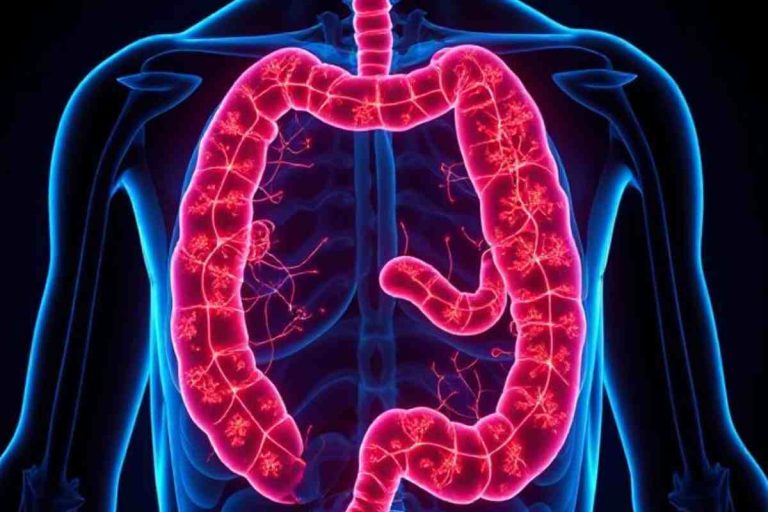
The colon cancer is the most frequently diagnosed in Spain if cases added in men and women, with 45,000 new cases in 2019.

This time has jumped into the fray by the death, on 9 June, on the singer Pau Donés (53 years old) and writer Carlos Ruiz Zafón (55 years old), this Friday, June 19. In both, the cause of death was this disease.

This type of disease is more common between 50 and 70 years, and about 80% diagnosed early, increasing the chances of cure.

The truth is that there are cases in younger people. And although the reason for these cases is not yet known.  José Ignacio Martín Valadés, head of the MDAnderson Madrid Digestive Tumors Unit, ventures that colon cancer, like Most diseases, can be associated with healthy lifestyle habits.

The Mediterranean diet and the type of food lost over the years and, sometimes, it is young people who least comply with life habits.

What Lifestyle Can Prevent Colon Cancer From Developing?

40% of cancers prevented by adopting lifestyle habits; however, for its prevention, it is not enough to embrace these beneficial habits.

But other risk factors taken into account, such as family predisposition. A single cause never causes cancer.

So It Is Advisable:

Eating a healthy diet, in which the consumption of fruits, vegetables, and legumes prevails, reducing almost wholly the intake of red meat and eliminating processed meats.

  • Do not smoke.
  • Do not consume alcohol.
  • Perform physical exercise.
  • Keep a healthy weight.

The first symptoms of colon cancer are benign polyps that are usually not symptomatic. When appear, sure signs alert you to the appearance of disease and depend on location along colon or rectum. We must not forget that these symptoms are also common to other conditions:

  • abdominal pain.
  • Bleeding in the stool.
  • Alteration in the internal rhythm.
  • The appearance of anemia in a routine blood test.
  • Weight-loss.

Given these symptoms, it is essential to consult with the primary care physician so that he can refer the patient to a specialist or perform tests for early diagnosis if he sees fit.

The Importance Of Early Diagnosis

According to the Spanish Association Against Cancer. Colon cancer is one of the easiest to treat with early diagnosis, and for this, there are two initial detection tests.

The first would be the fecal occult blood test (TSOH), which  indicated by the family doctor and performed every two years between the ages of 50 and 69.

If this is positive, a colonoscopy stated, a second early detection test, to see if there are polyps.

“If they are detected, the evolution of the polyp to the tumor avoided, and they can be removed directly with the colonoscopy,” says Martín.

From the age of 50, you can access the colon cancer screening program. So which includes these two tests, in Spain, to detect the disease early, detect, and to treat it.

“The primary care physician will direct the patient. The symptoms are very nonspecific, and in a specific case, the alarm can always arise.

But it is much more essential to adopt a healthy lifestyle.  And also perform screening for the disease with the fecal occult blood test, “says Martín.

Despite the frequency of colon cancer, Martín has wanted to give a message of hope.

Since cure rates are increasingly higher thanks to the treatment in which various specialists – surgeons, radiotherapists, and medical oncologists. And also even collaborate in patients with the most advanced cancer.

error: Content is protected !!