Home Blog Page 33

Tubal Ligation Reversal: The Complete Guide

0

Tubal ligation is an effective birth control method for women. Research shows less than one among 100 women may get pregnant after this procedure.

But what happens if you have a tubal ligation and then decide that you want to get pregnant? Well, this method is reversible. A qualified professional reverses this by reconnecting the blocked tubes.

This detailed guide will teach you all you need about the procedure.

Candidacy for Tubal Ligation Reversal

During the initial consultation, your physician performs a thorough medical exam to determine if you qualify for tubal ligation reversal. They check whether your health is okay to withstand the procedure.

Multiple factors apply, including:

  • Tubal Ligation Type: Some techniques aren’t reversible
  • Age: The younger you’re, the higher the success chances
  • General Fertility: If you have fertility issues, this impacts the tubal ligation reversal results. Before the procedure, your physician examines you and your partner to uncover egg and sperm health. They may take uterus images to determine if it’s fit for pregnancy.
  • Your Undamaged Fallopian Tube: A tubal ligation reversal surgery is best when you have more fallopian tube parts left undamaged.
  • Body Mass Index: Success chances are higher when you aren’t overweight or obese.
  • Other Health Conditions: Health issues like autoimmune diseases impact pregnancy. Your physician may not recommend this surgery, depending on your unique situation.

What to Expect During Tubal Ligation Reversal

Your surgeon uses a laparoscopic camera to check your fallopian tubes. They insert the device into your abdomen via a tiny incision. The technician proceeds if they find your fallopian tube is strong enough to support the surgery.

Your physician removes the damaged parts of your fallopian tubes and devices, such as rings and clips. They reconnect your fallopian tubes’ damaged ends, using small stitches, and insert a dye into the tubes’ ends. If there’s no leak, it means successful reattachment.

The procedure requires general anesthesia and takes up to three hours.

Recovery After Tubal Ligation Reversal

Most patients are okay to go home immediately after the surgery. Expect some tenderness and pain on the surgical site for a few hours after the procedure. Your service provider offers prescription medication to cope with discomfort. Recovery takes a week or more, depending on your health.

After tubal ligation reversal, you should wait 48 hours to shower. When bathing, avoid rubbing the incision to prevent possible damage. Your surgeon may advise you against intense sexual and physical activities until you recover. Follow the post-surgery instruction for faster recovery.

Tubal Ligation Reversal Costs

The average tubal ligation reversal cost in the U.S. is $8,685. However, the actual price depends on multiple factors, such as the necessary tests and your geographical location.

During the consultation, ask your service provider about expected costs beforehand. While health insurance premiums don’t cover tubal ligation reversal payments, your professional may offer a payment plan.

Essential FAQs

Does Tubal Ligation Reversal Have Complications?

While surgeries can lead to infections, bleeding, and anesthesia complications, this is rare for most tubal ligation reversal patients. Your medical professional will explain the possible risks beforehand and the appropriate actions to take if they occur.

When choosing a surgeon, find a qualified provider to avoid potential complications.

Is there an Alternative for Tubal Ligation Reversal?

If you don’t qualify for a tubal ligation reversal surgery, your other alternative is in vitro fertilization (IVF). This laboratory procedure involves mixing your eggs and your partner’s sperm. After fertilization, the eggs get implanted into your uterus, and pregnancy begins.

The choice between IVF and tubal ligation reversal is unique for different patients. Talk to your service provider for recommendations on the appropriate procedure for your situation.

Do I Qualify for Tubal Ligation Reversal?

Your qualification for this surgery depends on your previous pregnancies, body mass index, and age. During the consultation, your surgeon checks your health to determine if you’re fit for the surgery.

How Long Does the Procedure Take?

Tubal ligation reversal takes up to three hours, depending on the extent of the surgery. Most patients go home immediately. You may experience pain on the surgical incision following the procedure, but your service provider offers medication to cope with discomfort. Get someone to drive you home as you leave to begin the recovery.

Clammy Skin Explained: Causes, & Treatments

0

Clammy skin is a condition where the skin becomes moist, calm, and sweaty to the touch.

This can occur in response to various stimuli, such as physical exertion, emotional stress, or as a symptom of an underlying medical condition.

While clammy skin can be uncomfortable, it is typically not life-threatening.

However, it indicates a more serious underlying issue and may require medical attention.

This outline will discuss the causes, symptoms, and treatment options for clammy skin.

Definition of clammy skin

Clammy skin refers to skin that is abnormally damp, moist, and cool to the touch, often accompanied by a sticky feeling.

It causes by the body’s natural response to stress, anxiety, or illness, which triggers the release of hormones that increase blood flow to the skin and cause sweat glands to produce more sweat.

Clammy skin might be a symptom of a medical emergency, such as shock or hypothermia.

It is necessary to seek medical attention if clammy skin accompanied by other symptoms such as chest pain, dizziness, or confusion.

Causes of Clammy Skin

Dehydration

It is a condition that occurs when the body loses more fluids than it takes in.

This happens due to different reasons, such as excessive sweating, vomiting, diarrhea, and not drinking enough water.

However, while the body loses fluids, it also loses essential electrolytes like sodium and potassium, which are necessary for the proper functioning of the body.

Dehydration causes various symptoms, including thirst, dry mouth, fatigue, dizziness, and in severe cases, confusion, rapid heartbeat, and even unconsciousness.

Treating dehydration promptly by drinking fluids and seeking medical attention in extreme cases is vital.

Low blood sugar

It, also known as hypoglycemia, is when the blood glucose (sugar) level falls below normal.

This can occur in people with diabetes who take certain medications or have trouble controlling their blood sugar, as well as in people who do not have diabetes.

Low blood sugar can cause many symptoms, including clammy skin, dizziness, confusion, shakiness, weakness, and fainting.

In severe cases, it can lead to seizures, coma, and even death if left untreated.

Shock

Shock is a medical emergency when the body’s organs and tissues do not receive enough blood flow and oxygen.

It can cause by various factors, including severe injury, blood loss, infections, allergic reactions, heart failure, or other medical conditions.

Symptoms of shock may include rapid heartbeat, rapid breathing, cool and clammy skin, confusion, lightheadedness, and sometimes loss of consciousness.

Shock treatment typically involves identifying and addressing the underlying cause and providing oxygen, fluids, and medications to support blood pressure and organ function.

Anxiety or panic attacks

Anxiety or panic attacks can also cause clammy skin. When a person experiences anxiety or panic, their body’s natural response triggers the fight or flight response, which can cause sweating and a drop in body temperature.

This drop in temperature can make the skin feel cool and clammy to the touch.

During a panic attack, a person’s heart rate and blood pressure can increase, causing increased sweating and moist skin.

Hypothermia

It is a medical emergency when a person’s body temperature drops below normal, typically below 95°F (35°C).

This condition can happen when the body exposed to cold temperatures for a prolonged period or when there is an excessive loss of body heat.

Hypothermia might be life-threatening and require instant medical attention.

Symptoms include shivering, confusion, drowsiness, shallow breathing, slow heart rate, severe loss of consciousness, or cardiac arrest.

It is essential to prevent hypothermia in cold environments, such as wearing warm clothing, staying dry, and seeking shelter when necessary.

Medications

Certain medications can also cause clammy skin as a side effect. For example, some blood pressure medications, such as beta-blockers, can cause the blood vessels in the skin to constrict, leading to reduced blood flow and clammy skin.

Other medications, such as opioids, can cause sweating and clammy skin as a side effect.

In some cases, damp skin may indicate an allergic reaction to the medication.

It’s essential to check with a healthcare provider if you experience clammy skin as a side effect of any medicine.

Other medical conditions

Clammy skin can be a symptom of various medical conditions such as heart attack, stroke, sepsis, hypothyroidism, and certain types of cancer.

In addition, some infectious diseases, such as malaria and dengue fever, can cause clammy skin.

It’s important to note that clammy skin is not a condition but a symptom that can indicate an underlying medical issue.

If you experience clammy skin and other signs or concerns, it’s essential to seek medical attention promptly to determine the underlying cause and receive appropriate treatment.

Symptoms of Clammy Skin

Skin feels cool and damp

When the skin feels cool and damp, it may indicate several underlying medical conditions.

One of the most common causes is dehydration, which occurs when the body loses more fluids than it takes in.

Another potential cause is low blood sugar, leading to cold sweats and clammy skin.

Shock is another condition that can cause cool and clammy skin, accompanied by other symptoms such as rapid heartbeat and shallow breathing.

Other potential causes of cool and damp skin include anxiety or panic attacks, hypothermia, certain medications, and other medical conditions.

Sometimes, it may be a side effect of medication, such as certain blood pressure or pain medications.

Medical conditions such as heart attack, stroke, and sepsis can also cause cool and clammy skin as a symptom.

It is imperative to look for medical attention if you are experiencing this symptom, especially if other concerning symptoms accompany it.

Skin appears pale or whitish

When the skin appears pale or whitish, it can be a sign of various medical conditions.

It can result from decreased blood flow, low blood pressure, anemia, shock, or hypothermia.

Certain medications or medical treatments can also cause pale or whitish skin. Sometimes, it may be a normal response to cold temperatures or fear.

If you notice persistent paleness or whitish color in your skin, especially if accompanied by other symptoms, it is essential to seek medical attention to determine the underlying cause.

Sweating

Sweating is the natural process of producing and excreting sweat through the sweat glands on the skin’s surface.

The primary function of sweating is to regulate body temperature by cooling the body through the evaporation of sweat from the skin’s surface.

Moreover, it contains mainly water and salt, and its production can be affected by various factors, such as physical activity, stress, and heat.

While sweating is normal, too much or at inappropriate times or places may indicate an underlying medical condition.

Diagnosis of Clammy Skin

Physical examination by a healthcare professional

A physical examination by a healthcare professional is a medical assessment of a person’s body.

It involves a trained healthcare provider examining a person’s body to assess their overall health, identify any signs of disease or injury, and provide appropriate medical care.

During a physical exam, a healthcare provider may check a person’s vital signs, including blood pressure, heart rate, and temperature.

They may also examine the person’s head, neck, chest, abdomen, arms, legs, and other body areas for abnormalities, tenderness, or swelling.

Depending on the individual’s health history, the healthcare provider may order additional tests or refer the person to a specialist for further evaluation.

A physical examination is essential to preventative care and can help identify health issues before they become more severe.

Review of medical history

A medical history review involves a detailed account of a patient’s past and present health conditions, surgeries, medications, and family medical history.

It helps healthcare professionals understand a patient’s health background and identify any underlying conditions contributing to their current symptoms or affecting their treatment plan.

Reviewing a patient’s medical history is essential to the diagnostic process and helps healthcare professionals make informed decisions about their patient’s care.

It also helps them determine the appropriate diagnostic tests, imaging studies, or lab work needed to arrive at an accurate diagnosis.

Diagnostic tests, such as blood tests, imaging studies, or skin tests

Healthcare professionals may conduct diagnostic tests to identify the underlying cause of clammy skin. Some examples of diagnostic tests include:

  • Blood tests: These tests may used to check for abnormalities in blood sugar, electrolyte levels, thyroid function, or infection.
  • Imaging studies: X-rays, CT scans, or MRI may be used to evaluate the internal organs and identify potential issues.
  • Skin tests: A sweat test may determine if the skin produces enough sweat, which can indicate a condition like hypothyroidism or nerve damage.

The type of diagnostic test performed will depend on the suspected underlying cause of the clammy skin.

Treatment of Clammy Skin

Address underlying cause

Treating the underlying cause is essential in addressing clammy skin. Depending on the cause, treatment may include rehydration, controlling blood sugar levels, treating shock, managing anxiety or panic attacks, rewarming in cases of hypothermia, adjusting medication dosages or types, and managing other medical conditions.

In some cases, hospitalization might be necessary for further evaluation and treatment.

Consulting with a healthcare professional for proper diagnosis and treatment is important.

Drink an abundance of fluids

Drinking plenty of fluids, especially water, can help to treat and prevent dehydration which can cause clammy skin.

Staying hydrated by drinking fluids regularly, especially during hot weather, or engaging in physical activity, is essential.

Maintain proper blood sugar levels

The low blood sugar (hypoglycemia) that can lead to clammy skin, it is essential to follow a healthy diet that includes regular meals and snacks and to take any prescribed medications for diabetes as directed by a healthcare provider.

Frequently checking blood sugar levels helps to manage and prevent low blood sugar episodes.

Use warm blankets or a heating pad for hypothermia

Warm blankets or a heating pad can help raise body temperature in cases of hypothermia.

However, avoiding direct heat sources, such as hot water or a heating lamp, is vital as these can cause burns.

It is also essential to seek medical attention if you suspect hypothermia, as severe cases can be life-threatening and require urgent medical treatment.

Medications, such as anti-anxiety drugs or medications to control blood sugar levels

Medications prescribed to address the underlying cause of clammy skin.

For example, anti-anxiety drugs prescribed to help manage anxiety or panic attacks, while medications to control blood sugar levels given for low blood sugar.

However, medications will depend on the underlying cause of clammy skin and should only prescribe by a healthcare professional.

Other treatments as necessary

The specific treatment for clammy skin depends on the underlying cause.

In addition to addressing the primary cause, other treatments may be necessary to manage the symptoms and complications of clammy skin.

For example, someone experiencing dehydration may need intravenous fluids to replenish lost fluids and electrolytes. In cases of hypothermia, rewarming the body with blankets or other methods may be necessary.

In cases of shock, medications and intravenous fluids may be needed to improve blood flow and oxygenation to the body’s organs.

It is vital to get medical attention if other concerning symptoms accompany clammy skin or do not improve with simple interventions.

Prevention of Clammy Skin

Drink plenty of fluids

Drinking plenty of fluids is a standard treatment for clammy skin, primarily if it caused by dehydration.

Drinking water, sports drinks, or additional fluids that can replace lost electrolytes recommended.

In rigorous cases of dehydration, intravenous fluids may be necessary.

However, it is necessary to consult a healthcare professional to determine the underlying cause of clammy skin and the appropriate amount and type of fluids to consume.

Dress appropriately for the weather

Dressing appropriately for the weather is vital to prevent clammy skin or hypothermia. However, wearing warm clothes help to maintain body heat and to avoid hypothermia in cold weather.

Wearing loose, breathable clothing in hot weather can help prevent overheating and dehydration. It’s also important to protect the skin from the sun’s harmful UV rays by wearing an appropriate dress, sunscreen and seeking shade.

Monitoring Blood Sugar Levels for People with Diabetes

Monitoring blood sugar levels is vital for people with diabetes to avoid hypoglycemia (low blood sugar), which can cause clammy skin, among other symptoms.

Maintaining normal blood sugar levels through proper diet, exercise, and medication management can help prevent episodes of hypoglycemia.

Avoid triggers for anxiety or panic attacks

Some strategies may avoid triggers for anxiety or panic attacks include:

  • Identifying triggers: Learn to recognize situations or circumstances that trigger anxiety or panic attacks. Common triggers include stress, fear, caffeine, alcohol, smoking, and certain foods.
  • Practicing relaxation techniques: Meditation, deep breathing exercises, and yoga can help to reduce stress and anxiety.
  • Regular exercise: Regular physical activity can help reduce anxiety and improve overall health.
  • Avoiding stimulants: Reduce or avoid caffeine, nicotine, and other stimulants that can trigger anxiety.
  • Getting enough sleep: Sleep is vital for overall health and can help to reduce anxiety.
  • Seeking support: Talk to a therapist or mental health professional to help manage anxiety or panic attacks. Support groups can also provide helpful tips and encouragement.

Talk to your healthcare provider about adjusting medications if necessary

This advice typically given to individuals. Depending on the medication, changing the dose or switching to alternative medicine may be required to alleviate symptoms of clammy skin.

It’s necessary to converse with a healthcare provider before making any changes to medication.

Conclusion

Summary of key points

  • Clammy skin is a condition that feels cool and damp to the touch and may appear pale or whitish.
  • It can cause by a variety of factors, including dehydration, low blood sugar, shock, anxiety or panic attacks, hypothermia, medications, and other medical conditions.
  • A healthcare professional performs a physical examination and reviews medical history to help determine the underlying cause of clammy skin.
  • Diagnostic tests, such as blood tests, imaging studies, or skin tests, may also be performed.
  • Treatment for clammy skin depends on the underlying cause. It may include addressing dehydration, maintaining proper blood sugar levels, using warm blankets or a heating pad for hypothermia, medications, or other treatments as necessary.

Generally, it is crucial to drink plenty of fluids, dress appropriately for the weather, monitor blood sugar levels if you have diabetes, avoid anxiety or panic attack triggers, and talk to your healthcare provider about adjusting medications if necessary.

The Significance of Seeking Medical Care if Symptoms of Clammy Skin Persist or Deteriorate

It is essential to seek medical attention if clammy skin persists or worsens, as it can indicate an underlying medical condition.

A healthcare professional can conduct a physical examination and review medical history to determine the underlying cause; diagnostic tests may also be necessary.

Treatment may include addressing the underlying cause, maintaining proper blood sugar levels, staying hydrated, dressing appropriately for the weather, and taking medications as necessary.

Following the healthcare provider’s instructions and seeking follow-up care as needed is essential.

People also ask

1. What does it mean when your skin is clammy?

Clammy skin feels damp, cool, and slightly sticky to the touch. It can cause by sweating, nervousness, illness, or an underlying medical condition like hypoglycemia, heart attack, shock, or heat exhaustion. If accompanied by other symptoms, seeking immediate medical attention is essential.

2. Is it normal to be clammy?

It’s normal to have clammy skin when sweating due to physical activity, hot weather, or emotional stress.

If you are experiencing clammy skin without an apparent cause or with other symptoms, it could indicate an underlying medical condition.

It is advisable to seek medical evaluation and advice from a healthcare professional.

So, it is not always typical to be clammy, and it’s essential to pay attention to other symptoms and seek medical attention if needed.

3. What illness makes you feel clammy?

Several illnesses can cause clammy skin, including hypoglycemia, heart attack, shock, heat exhaustion, and certain infections like sepsis and malaria. If you experience moist skin with other concerning symptoms, it’s essential to seek medical attention promptly.

4. What causes cold, clammy sweats?

A cold and damp feeling of sweating characterizes cold, clammy sweats.

This can occur for various reasons, such as anxiety or panic attacks, low blood sugar in individuals with diabetes, heart attacks, shock, and certain infections like sepsis, malaria, or influenza.

These conditions trigger the body’s response, causing cold, clammy sweats, and other symptoms such as rapid heartbeat, chest pain, shortness of breath, fever, and nausea.

Cold, clammy sweats may indicate a medical emergency, and it is vital to seek medical attention if you experience them along with other concerning symptoms.


How To Tell When It’s Time For Senior Care?

0

Senior Care: Elderly relatives can find themselves running into various types of problems that they didn’t have when younger.

If they’re a kindly Uncle or a parent, it’s important to know that there isn’t always a definitive situation that confirms senior care is now required. The catalyst can be a single event or the cumulative effect of several new limitations, mishaps, or growing concerns over some time.

Here is how to tell when it’s time for senior care.

Declining Health

While some spry elderly people don’t act a day over sixty, for most others, they experience a gradual decline in their health as they age.

The effects can vary considerably including with general physical actions like crouching down to pick items off the floor, stretching to reach upper shelves, or carrying heavy shopping bags. How much inconvenience this causes them depends largely on what these are. Also, past physical injuries and/or illnesses can come back to haunt them later too.

New illnesses or a worsening of existing ones is also a concern. These can become persistent, chronic, and interfere with daily tasks. Each of the above situations can have a deleterious effect on their enjoyment of life.

Assisted living facilities can be an excellent solution for seniors who are struggling with new or worsening health conditions. These facilities are designed to provide personalized care and support to seniors. Assisted living in Omaha, NE, or Kansas City, KS are popular options for seniors who require assistance with daily tasks or have health challenges that make living independently difficult. By taking the time to research and carefully evaluate their options, seniors can find a supportive and nurturing environment that allows them to continue living fulfilling and meaningful life.

Various Difficulties at Home

Following on from health concerns, these begin to impact the home life in a meaningful way.

Previously simple tasks like cooking a meal, bathing, or keeping the house clean suddenly become fresh obstacles to overcome; some more successfully than others.

When you begin to notice that the upkeep of the home is in decline along with their overall health. This suggests that senior care might remain required. Also, if they’re unable to bathe regularly, and this is uncomfortably obvious to any visitors, then it’s clearer still that they need help.

Money is Out of Control

Another sign that they’re reaching the limit of their capabilities at home is when their finances are beginning to unravel.

This may begin with bills not being opened or paid on time. But can extend to utilities being cut-off or them being vague on money issues. When they don’t know what money they have or understand how to budget properly, it becomes hugely problematic to try to live independently at this age.

Rarely Going Out or Socializing Any Longer

Seniors with mobility issues and some of the other concerns. Outlined above will often retreat into their homes and stop being sociable. Cut off from friends, they may only see family occasionally when they’re available.

The increasing sense of isolation can remain resolved through various residential options. Being able to stay in a familiar neighborhood encourages them to see a potential move as a positive.

At Creve Coeur assisted living facilities such as McKnight Place, residents are helped with bathing, cooked meals, home cleaning, and other services. The staff provide other assistance to seniors as needed, and transportation to local spots of interest. Also, many daily events allow residents to establish valuable new friendships and remove the feeling of being so alone.

While it’s never easy to accept that a loved one needs to move into an assisted living facility, the reality is that once settled in, residents embrace their new surroundings. When doing so, many of life’s troubles remain removed and a laid-back retirement becomes possible again.

Master the Pull-Up: Your Ultimate Guide to Building Strength

0

Pull-ups are a top choice for upper-body workouts, testing all kinds of people, from beginners to top athletes. This guide covers basics like good form and more complex versions, helping you get the best results while steering clear of frequent mistakes.

Why Pull-Ups Dominate Your Fitness Routine?

Why Pull-Ups Dominate Your Fitness Routine?

Pull-ups target 10+ muscle groups simultaneously, including:

  • Back: Lats, rhomboids, and traps
  • Arms: Biceps, triceps, and forearms
  • Core: Abs and obliques for stabilization

Studies show they boost grip strength, torch calories, and improve posture. Unlike isolation exercises, pull-ups mimic real-world movements like climbing, making them functional and efficient.

How to Do a Perfect Pull-Up (Step-by-Step)?

How to Do a Perfect Pull-Up (Step-by-Step)?

Follow this form checklist to avoid injury and maximize results:

  • Grip the Bar: Use an overhand grip with slightly wider hands than your shoulders. Wrap thumbs entirely around the bar.
  • Engage Core: Tighten abs and squeeze glutes to prevent swinging.
  • Pull Up: Drive elbows toward hips until chin clears the bar. Keep shoulders down.
  • Lower Slowly: Take 2–3 seconds to descend—don’t drop!

Pro Tip: Cross your ankles for stability and maintain a straight body line (“arrow posture”).

Pull-Up Variations for Every Level

Variation Best For Pro Tip
Band-Assisted Beginners Loop a resistance band over the bar
Negative Pull-Ups Building eccentric strength Jump to the top, lower slowly
Mixed Grip Reducing muscle fatigue Switch hands each set
L-Sit Pull-Ups Advanced core activation Hold legs parallel to the ground
Rope Pull-Ups Grip strength & coordination Use thick ropes or towels

3 Common Mistakes (and Fixes)

1. Swinging/Kipping:

  • Fix: Engage the core and pause at the top.

2. Partial Range of Motion:

  • Fix: Lower until arms are fully extended.

3. Shrugged Shoulders:

  • Fix: Pull shoulders back before initiating.

Build Strength: Beginner Modifications

  • Jumping Pull-Ups: Use momentum to reach the bar, then lower slowly.
  • Isometric Holds: Hold the top position for 5–10 seconds.
  • Inverted Rows: Practice horizontal pulling on a Smith machine.

Science-Backed Benefits

  • Muscle Growth: Activates 78% more muscle fibers than lat pulldowns.
  • Mental Resilience: Requires focus, boosting confidence and discipline.
  • Cardio Boost: High-rep sets spike heart rate for calorie burn.

Pro Tips for Pull-Up Mastery

  • Warm up with scapular pulls to activate shoulders.
  • Use liquid chalk for a secure grip.
  • Record yourself checking that your chest should touch the top bar.

How to Progress from Zero to Your First Pull-Up?

If you can’t do a single pull up yet, don’t worry—you’re not alone. Here are some strategies to build the strength needed to perform your first pull up:

1. Start with Dead Hangs

Hang from the pull up bar for as long as possible to build grip strength and get comfortable with the movement.

2. Practice Negative Pull-ups

Jump or use a stool to get into a pull-up’s top position, then lower yourself slowly. This helps build strength in the pulling muscles.

3. Use Resistance Bands

Loop a resistance band around the bar and place your foot or knee. The band will assist you as you pull yourself up.

4. Try Assisted Pull Up Machines

Many gyms have machines that offset your body weight, making it easier to perform pull-ups.

5. Strengthen Supporting Muscles

Incorporate exercises like rows, lat pulldowns, and bicep curls into your routine to build strength.

Tips for Consistent Progress

  • Be Patient: Gaining strength requires time. Acknowledge little successes as you go.
  • Train Often: Add pull-ups to your schedule 2-3 days a week for steady improvement.
  • Record Progress: Maintain a record of your repetitions and sets to track growth.
  • Feed Your Body: Enjoy a well-rounded diet with sufficient protein for muscle repair and development.
  • Rest and Recover: Give your muscles adequate time to recover after workouts to prevent fatigue.

The Mental Benefits of Pull Ups

Besides the physical gains, pull-ups can improve your mental strength. Successfully doing this challenging exercise enhances self-confidence, discipline, and feelings of achievement. Each pull-up serves as proof of your growth and possibilities.

Conclusion: Elevate Your Fitness with Pull-Ups

Pull-ups are not just an exercise; they measure strength and discipline. From beginners using bands to advanced athletes doing L-sits, it is essential to be consistent and use the correct form. Avoiding mistakes and using innovative strategies can help you develop a muscular back, increase grip endurance, and improve overall fitness. Want to master pull-ups? Begin with 3 sets of 5 reps, and aim to increase each week. Pull-ups provide benefits that machines can’t offer, whether you want a toned back or real strength. Share your record in the comments!

Discovering the Nooro Foot Massager

0

The Nooro Foot Massager is not like the usual foot massager; It is a foot massager that can make the difference in what someone feels at the end of a long day of work or when their legs and feet start to ache with just a simple clicking button at their fingertips!

This device became crucial to my self-care routine, but its portable shape and beneficial features helped me.

Product details

  • Product Dimensions: 12.75 x 6 x 1.25 inches; 11.99 ounces
  • Batteries: 1 Lithium Ion batteries required. (included)
  • Date First Available: February 16, 2024
  • Manufacturer: nooro
  • ASIN: B0CVSDSS7P
  • Best Sellers Rank: #10,955 in Health & Household (See Top 100 in Health & Household), #19 in Electric Foot Massagers

Product Description

Features:

  • Complete Hand Free: Ultimate self-massage system, not like typical massagers.
  • Easy To Use: Lightweight, cordless, and rechargeable for convenient use.
  • High Quality: Made of high-quality materials for long-term performance.
  • Carry Anywhere: Small in design and lightweight. It can be taken anywhere!
  • Foldable Design: Takes no extra space to keep it in your bag without worrying about damaging it.
  • 6 Massage Modes: Meet your different needs with the various artificial massage techniques to relieve & relax.
  • 19 Adjustable Intensities: Multiple intensity levels make it easy to find the one that suits your preferences.

What’s Included:

  • High-quality Box
  • Type-C USB Cable
  • User Guide – Easy setup
  • Quick Start Guide – sharing the best practices
  • 90-Day Habit Tracker w/ stickers
  • Foldable Foot Pad

Enjoy It With Your Family

Nooro foot massager is an exceptionally beneficial present for your family and friends.

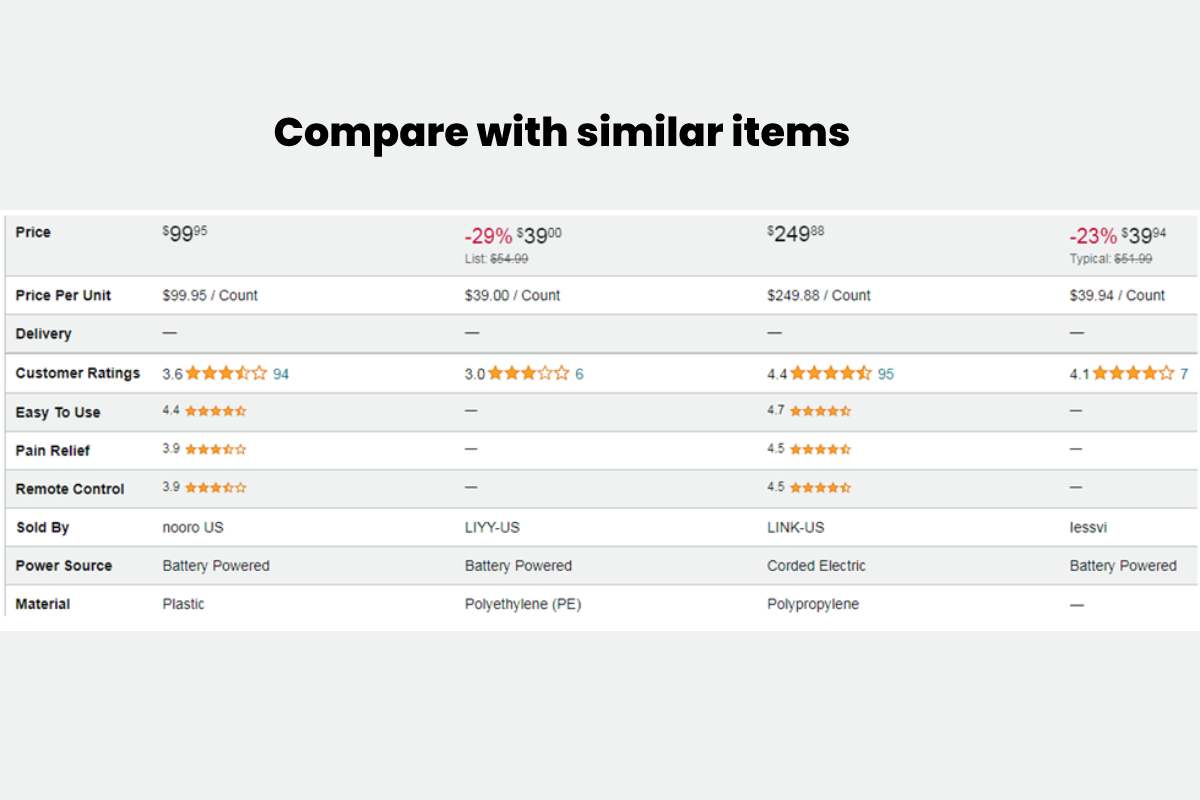
Compare with similar items

nooro foot massager

Nooro Foot Massager Videos

Video Credit: Amazon.com

Customer Reviews and Popularity

Thousands of happy users are touching on the merits of this massager. They praise the tool’s effectiveness and convenience.

The factor that counts most for me is its grade of 4. 87 out of 5. 0, this device has gained its soon-proven-to-be-loyal-following among the users who want a foot massager as effective and cheap as possible.

Final Thoughts

After a long user experience, this Nooro Foot Massager has met my expectations in all ways, whether the functionality, comfort, or overall appreciation.

If you are looking for a foot massager that is up to the task and doesn’t let you down, the Noor Massager is one of the masses and delivers as promised.

Let your feet have the due care because they are your foundation, and you will be surprised by the rejuvenating effect of this miraculous device.

This post will discuss the benefits and features of the Nooro Foot Massager in person, mentioning the primary purpose of eliminating foot pain and relaxing it.

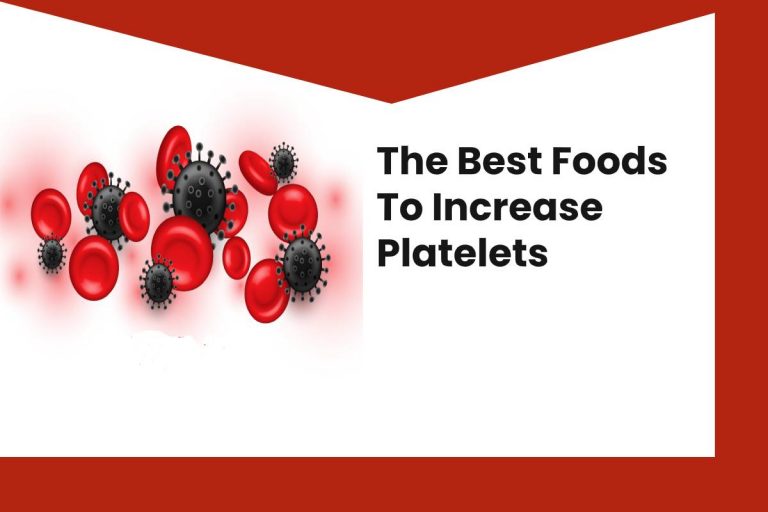
The Best Foods To Increase Platelets

0

The finest foods to raise blood platelets that we are going to discuss below are of plant origin. However, this does not mean that it is not necessary to consume animal foods to improve health and make the recovery period shorter.

The ideal would be to include these foods in a balanced diet, to provide the body with everything it needs, and, therefore, notice an improvement in health in general lines.

Let’s see below what platelets are, what are the most common health problems, and other related aspects of understanding the importance of eating a proper diet.

Platelets are Essential Cells

Platelets are small cells that are made in the bone marrow and circulate in the blood. Its role is to form clots to heal wounds and prevent excessive blood loss when injuries occur. They are also known as ‘thrombocytes.’

Inside, they have small sacs, called ‘granules,’ which release chemicals that attract other platelets to the site of the injury to form what is known as a ‘platelet plug.’

So, it understood that platelets are cells that play a crucial role in the control of bleeding and, therefore, their existence is vital for all people.

The Most Common Platelet Disorders

When platelet production is dramatically reduced or increased, or platelets don’t work the way they should, that’s when health problems arise. This produces what is known as platelet disorders.

According To The MSD Manual, Platelet Disorders Are As Follows:

  • Platelet dysfunction.
  • Thrombocytopenia (decrease in the number of platelets).
  • Essential thrombocythemia and reactive thrombocytosis (abnormal increase in the number of platelets).

The sooner the diagnosis of any problem is made, the better, since this way, the patient will be able to receive the most appropriate treatment and recommendations to improve their state of health.

To make the diagnosis of a platelet disorder, usually only a blood test needed. However, the doctor may prescribe other tests if deemed necessary.

Before any complication, medical treatment and control are essential. Along with this, it is convenient to improve life habits. In this sense, food comes to play a critical role, since it can contribute to health in various ways.

The Best Foods To Increase Platelets

To increase blood platelets, it is essential to maintain a balanced diet that provides the body with all the nutrients it needs so much. In it, the following foods should not be missing, since, in addition to being delicious, they are sources of various vitamins and minerals.

1. Pumpkin

The first of the best foods to increase platelets is pumpkin. Even its seeds have amino acids and vitamins that are essential for the formation of platelets.

Therefore, it considered that its regular consumption improves the absorption of protein and vitamin A, which are nutrients that participate in the production of these small cells.

Also, it is delicious food  can enjoy in various ways, depending on your preference. With cheese, without cheese, with a little carrot, parsley.

2. Citrus Fruits

Among the best foods to increase platelets are also fruits and, specifically, citrus. This is because they provide vitamin C, an essential nutrient that raises the platelet count.

When consumed in moderate amounts, within a healthy diet, citrus fruits are an excellent supplement for the health of the entire organism.

At a popular level, citrus considered to promote the health of the immune system, which could lead to an increase in the production of antibodies.

3. Indian Gooseberry

Although it is an exotic fruit and not so popular, the Indian gooseberry is part of the group of foods that contains vitamins A and C, which can favor the formation of platelets and contribute to health, in general terms.

4. Aloe Vera Juice

The aloe vera is a plant containing calcium, magnesium, phosphorus, potassium, zinc, sodium, copper, vitamin C, and E, vitamin B complex, among others.

In the big sphere, it considered that aloe vera juice can be an ally to take care of cardiovascular health and favor the production of platelets.

Be careful. When consuming it, it is essential to consult the doctor first; and in case you authorize consumption, it will be necessary to maintain moderation since the drink has a laxative effect.

5. Spinach, The Best Foods To Increase Platelets

Another of the best foods to increase platelets is spinach. They view out for their essential involvement of vitamin K and protein, which participates in the metabolism of clotting factors, which could be useful in reducing the risk of excessive bleeding.

They consumed in many ways, including fruit salads, so there is no excuse for not taking them at least once in a while.

6. Papaya

The extract of the leaves of the Carica papaya is widely studied.  Since there is a hypothesis that said extract could be useful in the treatment of bleeding disorders. However, there is still much to analyze in this regard.

At the moment, recommended for patients to consume papaya within a balanced diet. Like other fruits, it contains various nutrients and papain, an enzyme with a positive effect on health.

7. Beetroot

Beets are another of the best foods to increase platelets. It contains antioxidants, vitamins A, C, and K and minerals that would help prevent the deterioration of blood vessels and the decrease of platelets.

In the big sphere, it considered that drinking its juice regularly could help strengthen the immune system. And  also contribute to the improvement of the patient in case of having a platelet disorder.

A Healthy Diet Keeps Platelets In Order

As you seen, these are some of the best foods to increase platelets that include in your diet regularly.

Combine them  and try to incorporate other healthy foods into your diet to make the most of all their contributions.

Always keep in mind that the consumption of a single food, drink, or natural remedy. So will not cause platelets to rise or heal from any disease.

For you to be healthy, you must maintain a balanced diet, not rely only on a single food.

Of course, it always recommended that you follow your doctor’s guidelines while maintaining a healthy lifestyle. So that you can appreciate an improvement in your health, as well as other benefits.

At the time of uncertainty, it is best to consult your doctor about the amounts and the best ways to eat food. Since other lifestyle habits, medications, and complementary therapies are take into account.

The Rise of Fitness App Builders in Personal Wellness

0

Fitness App Builders: According to statistics, only 19.3% of Americans exercise regularly. The figures should be even greater, taking into account the additional undesired weight that most people gained during the pandemic.

The reasons for avoiding exercise are plenty, from not having enough time to simply not wanting to visit the gym every day. But, modern times require modern measures, and that’s why fitness professionals started using fitness app builders to create applications with exercises tailored to their audience’s needs. 

In this blog post, we’ll explore fitness app builders and how they’re changing this multi-billion-dollar industry. 

The Democratization of Fitness Technology

In the past, fitness applications were something that was developed by major fitness companies exclusively. This limited the diversity and the customization level for people who had specific needs and requirements. A high-quality fitness app builder changes this dynamic by putting the power of app creation into the hands of individuals. 

This democratization of technology allows fitness enthusiasts, trainers, and wellness professionals to develop apps that align precisely with their objectives and the unique requirements of their audience. It eliminates the one-size-fits-all approach, paving the way for a more personalized and inclusive fitness experience.

Customization for Varied Fitness Goals

Fitness app builders offer one of the many great advantages when it comes to tailoring workouts to the audience’s specific goals and desires. You can create workouts tailored specifically towards weight loss, muscle gain, or total body recomposition that help individuals meet these objectives more efficiently.

Users can customize workout routines, nutritional guidance, and progress-tracking mechanisms into their journey toward fitness aspirations. Individuals will feel supported as they take steps toward realizing their fitness aspirations and goals.

Integration of Wearable Technology

As wearable technology gains increasing momentum, fitness app builders have quickly adjusted to accommodate devices like smartwatches and fitness trackers seamlessly into their applications. Fitness apps and wearable tech can work hand in hand to enable real-time monitoring of various health metrics such as physical activities, heart rate fluctuations, and sleep patterns. 

Wearable technology’s addition to fitness apps represents more than mere integration, it serves as a catalyst to significantly elevate user experiences overall. By merging these technologies, individuals not only enjoy the ease of real-time monitoring of their health but are also provided with insight into its various components. 

This convergence creates an engaging user experience by equipping individuals to make smart fitness choices based on data obtained through wearable devices. Thus, fitness app builders and wearable technology transcend conventional health monitoring practices, providing users with a sophisticated yet user-centric approach to fitness engagement and management.

Integration of Wearable Technology

Community Building and Social Engagement

Fitness goes far beyond physical exertion, it also encompasses social and psychological components. Fitness app developers understand this fact, so their apps have features designed to encourage community building. 

Users can connect with like-minded individuals, share achievements, and participate in challenges or group activities together with ease, creating supportive ecosystems where individuals motivate one another on their wellness journeys.

Data-Driven Personalization

Fitness app builders’ greatest strength lies in their use of data for personalized experiences. Apps can analyze user behaviors, track progress, and offer tailored recommendations based on preferences and performance data gathered about users.

This approach ensures fitness regimens adapt to users’ changing needs for an optimum wellness journey. Technology combined with personalization could revolutionize how individuals approach achieving health and fitness objectives.

Augmented Reality and Immersive Fitness Experiences

Augmented reality (AR), one of the latest trends in fitness app development, marks an exciting step forward, ushering in an immersive fitness experience for users. 

Fitness app developers are increasingly turning to AR to bring digital elements into physical spaces and create engaging workouts, adding fun and novelty while increasing user motivation and adherence. Imagine running through virtual landscapes or working out with holographic trainers! AR brings these possibilities alive for personalized fitness programs of the future. 

As AR advances further, fitness apps that combine with this tool may revolutionize how we perceive and engage with health and wellness programs.

Bottom Line

Fitness app builders represent an immense change in personal health and well-being. These tools help individuals take control of their fitness journey, with unprecedented customization, integration with cutting-edge tech, community participation, and data-driven personalization capabilities. As our society becomes ever more dependent on technology, democratized fitness app development ensures that its benefits of proactive well-being can reach everyone. 

The journey towards a healthier lifestyle is no longer limited to gym walls alone but can now be achieved through apps created by individuals themselves. Fitness app builders have unwittingly launched a revolution by not simply breaking sweat but innovating new forms of wellness through personalized apps. This revolution transcends physical fitness and redefines personal well-being for us all.

Benefits Of Spirulina For Vegetarians And Vegans

0

Spirulina is a blue-green algae that became popular for its nutritional content. Although it does not have super properties. It is considered a valid supplement for vegetarian and vegan diets. Why?

Spirulina is a type of seaweed that distributed as a dietary supplement, especially for vegetarians and vegans. Much said about its health benefits, but some of the claims made about it have now denied.

It is not a superfood as previously thought, nor does it have therapeutic potential to combat disease.

Despite this, it recognized that its nutritional composition could help reduce the risk of certain deficiencies, especially in those diets where not all types of food included.

Spirulina For Vegetarians And Vegans: What Are Its Benefits?

Spirulina For Vegetarians And Vegans_ What Are Its Benefits_ (1)

Both vegetarians and vegans are at-risk populations when it comes to nutritional deficiencies.

Although science agrees that the abundant consumption of plant foods is beneficial for health, diets based on these foods lack certain nutrients that are decisive for maintaining well-being.

Because of this, spirulina and other varieties of dietary supplements have a place within these diets.

Although by itself, it does not meet nutritional requirements, it does turn out to be a valid supplement to improve the quality of food.

What are the benefits of spirulina for vegetarians and vegans?

Helps Complement Protein Intake

One of the disadvantages of vegetarian and vegan diets is protein intake. Removing animal products from food means losing proteins of high biological value.

Those of plant origin have deficiencies in essential amino acids, apart from a lower digestibility.

Spirulina is a protein-containing algae. It presents a high percentage of them concerning its total composition. For this reason, it included in the framework of a vegan diet to seek to complete the protein intake.

In any case, it remains a protein of low biological value, lacking in some essential amino acids. For this reason, and when considering a plant-based diet.

It is necessary to include different foods, rich in protein, to save the limiting amino acids of each one.

Although it does not contain all the amino acids, spirulina can help supplement the protein intake in the diet of vegetarians and vegans.

It Is An Algae With Antioxidants

Algae With Antioxidants

Many of the benefits of spirulina alga, not only for vegetarians and vegans but for everyone in general, are attributed to its antioxidant content.

As a review of articles published in the Journal of Applied Biotechnology Reports exposes, these substances can reduce the risk of disease.

Specifically, they are nutrients with the ability to reduce the formation of free radicals, which, in turn, are strictly related to aging. You can add the seaweed powder to green smoothies or get it in the form of tablets or capsules. Whatever it’s a form of administration, its antioxidant content does not vary.

Provides Vitamins Of Group B

Plant-based diets, whether vegan or vegetarian, are lacking in group B vitamins. Spirulina is an algae that characterized by providing vitamins from this group. Therefore, its consumption indicated in both vegan and restrictive diets.

However, the fundamental deficiency of vegan diets is vitamin B12. Spirulina contains it, but in a form that is not assimilable by the human body.

For this reason, the algae are not capable of meeting the requirements of said nutrient in vegans.

The best option to overcome this obstacle remains the supplementation or consumption of fortified foods, as explained in an article published in the American Family Physician magazine.

Contains Other Important Nutrients

In addition to the benefits above, which are vital for those who carry this type of diet, it is worth noting that spirulina contains other nutrients that are relevant for healthy eating.

Of course, their quantity is not enough to cover daily needs, but it can help.

According to information published in the database of food from the United States Department of Agriculture, 7 grams of this food supplement contains the following:

  • 20 calories.
  • 4.02 g of protein.
  • 1.67 g of carbohydrates.
  • 0.54 g of fat.
  • 8 mg of calcium.
  • 2 mg of iron.
  • 14 mg of magnesium.
  • 8 mg of phosphorus.
  • 95 mg of potassium.
  • 73 mg sodium.

In addition to providing protein and antioxidants, spirulina algae contain B vitamins, carbohydrates, and minerals.

Other Benefits Of Spirulina Algae

To date, there is no strong enough evidence to consider that spirulina can serve as a treatment for certain diseases.

However, as compiled by a study published in the medical journal Evidence-Based Complementary and Alternative Medicine, it is a safe food supplement, without significant side effects.

In general, and according to this source, it has shown potential as an anti-inflammatory, antioxidant, antiviral, antiproliferative, and immunomodulatory.

Thus, it believed to have positive effects on cardiovascular health, digestion, the immune system, among others.

Is It Safe To Add Spirulina To The Diet Of Vegetarians And Vegans?

It is important to note that spirulina not regulated by the Food and Drug Administration (FDA); however, a review published in 2014 highlights that it is well tolerated by most people, as long as it consumed in moderate doses.

The recommendations for consumption can come from the manufacturer of the supplement, or a professional. It is necessary to be careful when consuming it since, in excess, it is harmful.

An article published in the Journal of Agricultural and Food Chemistry, some cases of contamination by the accumulation of marine toxins detected.

Also, it is better to avoid its consumption in the following circumstances:

Children and pregnant or lactating women.

Patients with hyperuricemia, hyperthyroidism, or phenylketonuria.

People with liver diseases and autoimmune pathologies.

People who are under treatments that increase the risk of bleeding.

Spirulina is safe for most healthy adults. However, taking it in excessive amounts is not advised.

Spirulina, A Valid Food For Vegans

Spirulina is not going to fill the gaps in the vegan diet. Despite containing vitamin B12, it is not bioavailable. On the other hand, its proteins are not comparable to those of meat.

However, it is a food that included within this type of diet to provide variety and complete the supply of nutrients.

Despite having proteins of little biological value, the percentage they represent concerning the total product is high.

Likewise, it is an algae abundant in antioxidant compounds whose intake associated with a better risk of diseases in the medium and long term.

It is beneficial to include this ingredient in green juices, for example. Thus, a large number of micronutrients obtained in a small volume of food.

Regular intake of this type of preparation, within the framework of a balanced diet, can be beneficial for health.

However, it is not recommended to abuse its consumption. Some varieties of spirulina found contaminated with marine toxins.

A solution to avoid this danger is to use an extract of the seaweed, instead of its powder.

error: Content is protected !!