
You feel fine. No alarming symptoms, no urgent reason to see a doctor. So is a whole body test really necessary, or just another marketed “health package”?
Many serious conditions — diabetes, heart disease, thyroid disorders, early kidney disease, even fatty liver — can develop quietly for years before you notice anything. By the time symptoms show up, you may have already missed the easiest window to reverse or control them.
A whole body test gives you a structured snapshot of your internal health in one visit: blood tests, organ function, urine analysis, and sometimes heart and imaging tests. This guide explains what a whole body test includes, who really needs it, how much it costs, how to prepare, and — importantly — when it is not a good idea, so you can decide with your doctor instead of just buying a package.
Who this is for: Adults considering their first comprehensive health screening, anyone setting an annual health baseline, and people wondering which tests are actually worth doing.
Table of Contents
Key Takeaways
What it is →*A comprehensive set of blood, urine, and organ function tests to assess your overall health status.
What’s included → CBC, lipid profile, thyroid panel, liver and kidney function, blood sugar, vitamins, urinalysis — and optionally ECG, X-ray, or ultrasound.
Who benefits most → Adults 30+, people with a family history of chronic disease, or anyone who hasn’t had a checkup in 2+ years.
Main risks → False positives, overdiagnosis, and unnecessary follow‑up tests; not a substitute for a doctor visit when you have symptoms.
How often → Every 1–2 years for most adults over 30; every 2–3 years for low‑risk individuals under 40, unless your doctor advises differently.
## What Is a Whole Body Test?
A **whole body test** — also called a full body checkup or comprehensive health screening — is a structured series of medical tests designed to evaluate your overall health, assess organ function, and detect potential health conditions before symptoms develop.
Unlike a visit to the doctor for a specific complaint, a whole body test is *proactive*. It establishes a health baseline, tracks changes over time, and flags abnormal values that warrant further investigation.
### How Is It Different from a Regular Doctor Visit?
A routine doctor’s visit is symptom-driven — you go because something hurts or concerns you. A whole body test is prevention-driven. It assesses systems you can’t feel: liver enzyme levels, thyroid hormone balance, early kidney stress markers, or blood sugar trends that don’t yet cause symptoms.
Think of it as the difference between fixing a leak after the ceiling collapses versus inspecting the pipes before they fail.
## What Does a Whole Body Test Include?
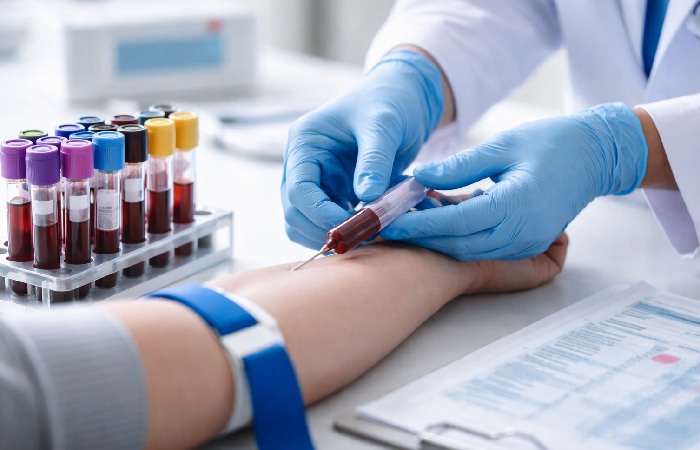
Blood panels form the foundation of a comprehensive whole body test.
The exact tests vary by package and provider, but a comprehensive whole body test typically covers four categories:
Not every panel includes all the tests below by default, so always review the test list rather than choosing a package by the number of “parameters.”
### Blood Tests
Blood tests form the core of any full body screening. Common panels include:
Complete Blood Count (CBC):** Measures red and white blood cells, hemoglobin, and platelets. Detects anemia, infections, and blood disorders.
Lipid Profile:** Total cholesterol, LDL (bad), HDL (good), and triglycerides. Helps estimate cardiovascular risk — high LDL with low HDL and high triglycerides is an important warning pattern, especially with other risk factors.
Thyroid Panel (TSH, T3, T4):** Thyroid dysfunction is extremely common and widely underdiagnosed. These markers detect both underactive (hypothyroidism) and overactive (hyperthyroidism) thyroid conditions.
Liver Function Tests (LFT):** Measures enzymes like SGOT, SGPT, bilirubin, and albumin to evaluate liver health. Elevated liver enzymes can indicate fatty liver disease, alcohol damage, or medication side effects.
Kidney Function Tests (KFT/RFT):** Creatinine, urea, and uric acid indicate how well the kidneys are filtering waste. Early kidney stress shows up in bloodwork long before any symptoms appear.
Blood Glucose / HbA1c:** Fasting blood glucose gives a snapshot; HbA1c reveals your average blood sugar over the past 2–3 months, making it far more useful for diagnosing prediabetes or monitoring diabetes management.
Vitamin & Mineral Levels:** Vitamin D, B12, iron, and folate deficiencies are common and can contribute to fatigue, bone loss, nerve problems, and a weaker immune response over time.
Inflammatory Markers (CRP, ESR):** C-reactive protein and erythrocyte sedimentation rate can flag ongoing inflammation or infection, but they are non‑specific and always need clinical context.
### Urine Tests
A **urinalysis** examines a urine sample for protein, glucose, blood cells, and bacteria. It screens for urinary tract infections, kidney disease, early signs of diabetes, and metabolic disorders.
### Imaging and Cardiac Tests
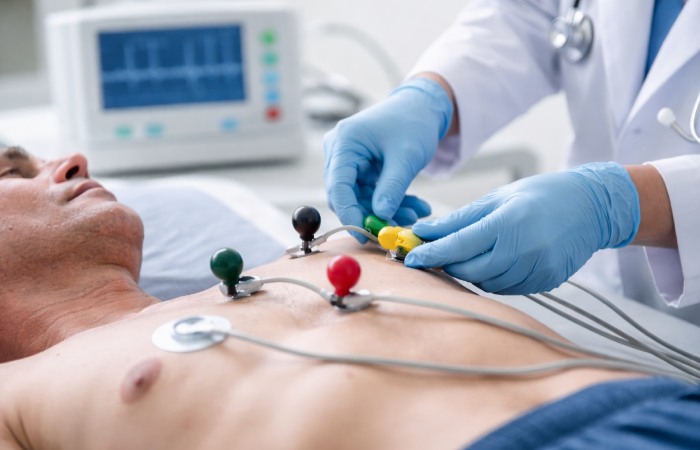
ECG testing evaluates heart rhythm and electrical activity during comprehensive health screening.
More comprehensive packages add:
Electrocardiogram (ECG):** Records the heart’s electrical activity. Detects arrhythmias, prior heart attacks, and structural abnormalities.
Chest X-Ray:** Checks lung and heart structure. Useful for detecting enlarged heart, fluid, or early lung abnormalities.
Abdominal Ultrasound:** Sound-wave imaging of the liver, kidneys, gallbladder, spleen, and pancreas. Radiation-free and effective for identifying cysts, stones, or organ enlargement.
These tests are usually added based on age and individual risk, and are most useful when recommended by a doctor rather than bundled as routine add‑ons.
### Gender-Specific Add-Ons
For women:** Pap smear (cervical cancer screening), breast examination or mammography, pelvic ultrasound
For men:** Prostate-Specific Antigen (PSA) test for prostate health assessment
These tests are part of standard age‑ and risk‑based cancer screening in many guidelines, but they are not one‑size‑fits‑all; timing and frequency should follow local recommendations and your doctor’s advice.
## Package Types and Typical Costs
Health screening packages vary in scope, tests included, and cost depending on risk level and diagnostic depth.
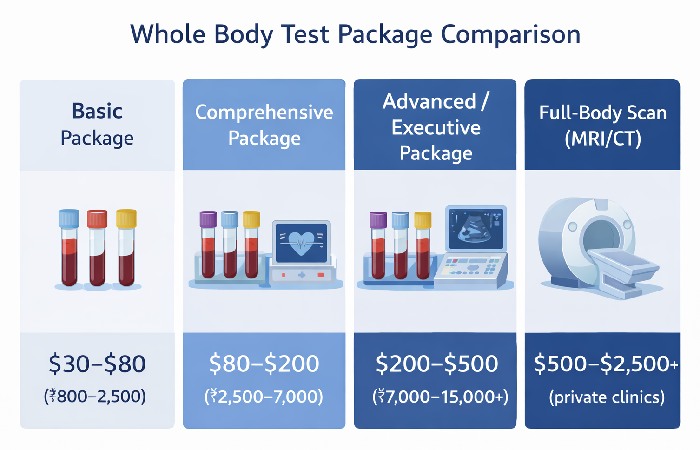
Most providers offer tiered packages. Here’s how they generally compare:
All comprehensive + imaging (X-Ray, ultrasound), cardiac stress test, cancer markers
$200–$500+ (₹7,000–₹15,000+)
Full-Body Scan (MRI/CT)
Detailed imaging of organs and soft tissue
$500–$2,500+ (private clinics)
*Prices vary significantly by country, provider, and whether the test is ordered through insurance or out-of-pocket.* These ranges are illustrative only and not medical advice; always confirm exact costs and inclusions with your lab or hospital before booking.
### Is It Covered by Insurance?
Coverage is highly variable. Routine blood panels ordered by a physician for specific risk factors are often eligible for coverage, but package‑based preventive checkups, full‑body scans, and executive health programs are frequently self‑pay. Review your policy’s preventive benefits and ask whether you need a doctor’s order for reimbursement.
## Benefits of a Whole Body Test
### Early Detection Before Symptoms Appear
The strongest case for a whole body test is early detection of risk factors. Many conditions — especially Type 2 diabetes, high blood pressure, and fatty liver disease — can progress silently for years. A good panel can reveal problems or borderline values earlier, when lifestyle changes and simple treatments are most effective.
According to the CDC’s preventive health framework, early identification of risk factors significantly improves treatment outcomes and reduces long-term healthcare costs.
A blood test revealing borderline HbA1c (5.7–6.4%) gives you the opportunity to reverse prediabetes through diet and lifestyle — before it becomes full diabetes requiring medication.
### Establishing a Personal Health Baseline
A single test result means little in isolation. Annual testing builds a longitudinal picture. If your creatinine was 0.9 mg/dL last year and is now 1.2 mg/dL, that trend — even within “normal” range — is clinically meaningful.
Establishing a baseline in your 30s makes it far easier to detect meaningful changes in your 40s and 50s.
### Peace of Mind — and When It’s Earned
For genuinely healthy individuals, a normal test result is reassuring. But as the U.S. Preventive Services Task Force (USPSTF) notes, routine screening value depends heavily on individual risk factors. Peace of mind is most meaningful when the screening is appropriate for your age, sex, and health profile.
Screening outside those recommendations can give a false sense of security or, conversely, trigger anxiety over minor findings that never would have caused harm.
## How to Prepare for Your Whole Body Test
### Before the Test
Fast for 8–12 hours before your appointment. Water is fine; coffee, juice, and food can alter glucose and lipid readings (HbA1c itself does not require fasting, but other tests in the panel do).
List your current medications.** Some drugs affect liver enzymes, thyroid readings, and cholesterol results. Your provider needs this context.
Avoid intense exercise** the night before — it can temporarily elevate creatinine and liver enzymes.
Bring your medical history:** Prior test results, family history of chronic disease, and any symptoms you’ve noticed.
Stay hydrated** — it makes venipuncture easier and urine sample collection more reliable.
### During the Test
Expect a blood draw (typically 3–6 vials), a urine sample, and if included: ECG electrodes briefly attached to your chest, and a short abdominal ultrasound procedure. Total time: 30 minutes to 2 hours depending on package scope.
If anything is unclear, ask the technician to explain each step before they proceed so you know exactly what is being done and why.
### After the Test — Understanding Your Results
Results typically arrive within 24–72 hours. Values outside the reference range are flagged. **Don’t panic at a single abnormal value** — reference ranges are population averages, and context matters enormously.
Share results with your primary care physician. They can interpret values within the context of your full medical history and determine whether follow-up is needed.
## Risks and Limitations You Should Know
Most providers skip this section. We won’t.
### False Positives and Overdiagnosis
No test is perfect. A result outside the reference range does not automatically mean disease. False positives — flagged abnormalities that turn out to be clinically insignificant — trigger anxiety, additional testing, and unnecessary procedures.
As Healthline’s medical review of full-body scans notes, major medical organizations do not recommend routine full-body CT scans for asymptomatic, healthy individuals because incidental findings are common and often require invasive follow-up that carries its own risks.
**The takeaway:** If you test broadly, you’ll find something. The question is whether finding it actually changes your outcome — and sometimes the answer is no. Discuss any abnormal or borderline result with a qualified doctor before agreeing to additional scans or procedures.
### Radiation Exposure from Imaging
Full‑body CT scans expose you to ionizing radiation at doses significantly higher than a standard X‑ray, especially if repeated over time. For routine, asymptomatic screening without a specific clinical question, the potential long‑term risk from cumulative radiation and the likelihood of incidental findings are important reasons to be cautious. MRI scans avoid radiation entirely but are more expensive and may still reveal incidental findings that need further workup.
### When Full Body Tests Are NOT Recommended
You have a specific symptom that needs a targeted diagnosis — see a doctor for a focused evaluation instead of self‑ordering a broad package.
You’ve already had comprehensive testing within the past 6–12 months.
You’re under 25 with no significant family history or risk factors — most tests will return normal, and false positives can cause disproportionate anxiety.
Major medical organizations discourage routine full‑body CT or MRI scans to look for cancer in healthy people without symptoms or specific clinical indications.
## Common Mistakes to Avoid
Treating normal results as a “clean bill of health.”** Tests have limits. A normal lipid panel doesn’t rule out cardiovascular risk driven by inflammation, genetics, or lifestyle factors outside the test window. A normal report does not replace regular checkups, age‑appropriate screening, or paying attention to new symptoms.
Choosing a package by price alone.** The cheapest 30-test panel often omits thyroid function, vitamin levels, and HbA1c — the markers most commonly abnormal in otherwise healthy adults.
Not sharing results with a doctor.** Lab results need clinical context. A creatinine of 1.3 mg/dL is irrelevant noise or a concerning trend depending on your age, muscle mass, and trajectory.
Testing once and never again.** The value of preventive testing is longitudinal. A one-time snapshot has limited use without follow-up.
## Who Should Get a Whole Body Test?
### Best For:
Adults **30 and older** as part of an annual health routine.
Anyone with **family history** of heart disease, diabetes, thyroid disorders, or cancer.
People with a **sedentary lifestyle**, high-stress job, or poor sleep patterns.
Those who **haven’t had a checkup in 2+ years**.
Individuals with vague symptoms (persistent fatigue, unexplained weight changes, brain fog) who are already planning to discuss these with a doctor and want baseline labs to support that visit.
Anyone wanting to establish a **personal health baseline** before making major lifestyle changes.
### Not Ideal For:
Generally **healthy individuals under 25** with no risk factors — most results will be normal; the benefit doesn’t justify the cost and potential false-positive stress
People seeking diagnosis for **specific symptoms** — you need a targeted clinical workup, not a general package
Those who have had **comprehensive testing recently** (within 6–12 months) without significant health changes
Anyone considering **full-body CT scans** without a physician’s recommendation — radiation exposure and incidental finding risks apply
## Final Verdict
A whole body test can be a practical investment in your long‑term health — when used appropriately and interpreted with your doctor.
For adults in their 30s and beyond, a comprehensive blood panel covering CBC, lipid profile, thyroid, liver, kidney, blood sugar, and key vitamins can provide useful information at a reasonable cost. Depending on your personal risk factors and your doctor’s advice, you might add an ECG and abdominal ultrasound.
**Our recommendation:** Start with a mid-tier comprehensive package. Share results with your physician. Prioritize consistency — test annually, track trends, and treat the results as a conversation starter with your doctor, not a final verdict on your health.
Skip the full‑body CT scan unless your physician recommends it for a clear reason, such as specific symptoms or a strong risk pattern. The evidence for routine full‑body imaging in otherwise healthy, asymptomatic people is limited, and the risks of radiation and incidental findings are real.
Knowledge is a tool. Use it well.
Frequently Asked Questions
Q1: What is included in a whole body test?
A whole body test typically includes blood tests (CBC, lipid profile, thyroid panel, liver and kidney function, blood sugar or HbA1c, vitamins), a urinalysis, and sometimes cardiac tests such as ECG and imaging such as X‑ray or ultrasound. The exact tests depend on the package tier selected.
Q2: Should I fast before a whole body test?
Yes, you usually need to fast for 8–12 hours before a comprehensive package to get accurate lipid profile and blood glucose readings. You can drink water freely because it does not affect results and helps with blood draw and urine collection.
Q3: How often should you get a whole body health checkup?
Most adults over 30 benefit from an annual comprehensive blood panel. Adults under 40 with no major risk factors may repeat testing every two years, while people with conditions such as diabetes, hypertension, or thyroid disease should follow their doctor’s schedule.
Q4: Are whole body tests covered by insurance?
Routine blood tests ordered by a doctor for a specific medical reason are often covered by insurance. Preventive health packages, full‑body scans, and executive health programs are usually paid out of pocket, so you should check your policy’s preventive care benefits and whether a doctor’s order is required.
Q5: What are the risks of a full body test?
The main risks are false positives that cause anxiety and unnecessary follow‑up, and overdiagnosis of findings that may never cause problems. Full‑body CT scans also expose you to radiation, so testing and follow‑up should always be guided by a clinician.
Q6: How long does a whole body test take?
A standard blood and urine panel usually takes 30–45 minutes at the collection center, and results are often ready within 24–72 hours. Packages that include ECG, X‑ray, or ultrasound may take 2–3 hours in total.
About Health4fitnessblog
Health4fitnessblog publishes practical, easy-to-understand content on health, technology, business, marketing, and lifestyle. Articles are based mainly on reputable, publicly available information, with AI tools used only to help research, organise, and explain topics more clearly so the focus stays on real‑world usefulness rather than jargon or unnecessary complexity.
Disclaimer:
This article is for general information and education only and is not a substitute for professional medical advice, diagnosis, or treatment. Always consult a qualified healthcare provider with any questions you have about your health, test results, or a medical condition. Never ignore or delay seeking medical advice because of something you have read here.
As the backbone of the healthcare system, nurses play a crucial role in patient care and well-being. Alongside their invaluable skills and expertise, nurses often utilize a range of accessories that aid them in delivering efficient and compassionate care.
These accessories add a touch of style and enhance functionality, making their daily tasks more manageable and efficient.
Let’s explore some essential nurse accessories that have become synonymous with healthcare.
Stethoscope: A nurse’s stethoscope is an iconic tool, allowing them to auscultate patients’ heart and lung sounds. With advancements in technology, modern stethoscopes come with enhanced acoustic performance, noise reduction, and Bluetooth connectivity, making the process of diagnosis and patient assessment more accurate and convenient.
Nurse’s Watch: Time is of the essence in a healthcare setting, and a nurse’s watch is a practical accessory that helps them keep track of patients’ vitals, medication schedules, and other time-sensitive tasks. With features like water resistance and easily cleanable surfaces, nurse’s watches are designed to withstand the rigors of a busy hospital environment.
Nursing Scissors: These specially designed scissors come with rounded tips, ensuring the safety of both the patient and the nurse. Nursing scissors are indispensable for efficient wound care management, from cutting bandages to dressings.
Penlight: A penlight is a compact yet essential tool use by nurses for assessing pupils, inspecting the throat, and examining wounds. This lightweight accessory conveniently fits in a pocket or pen slot, making it readily accessible during patient assessments.
Badge Holder: A badge holder not only displays a nurse’s identification and credentials but also adds a touch of personalization. Many nurses choose badge holders with unique designs or inspirational messages to bring positivity and brightness to their uniforms.
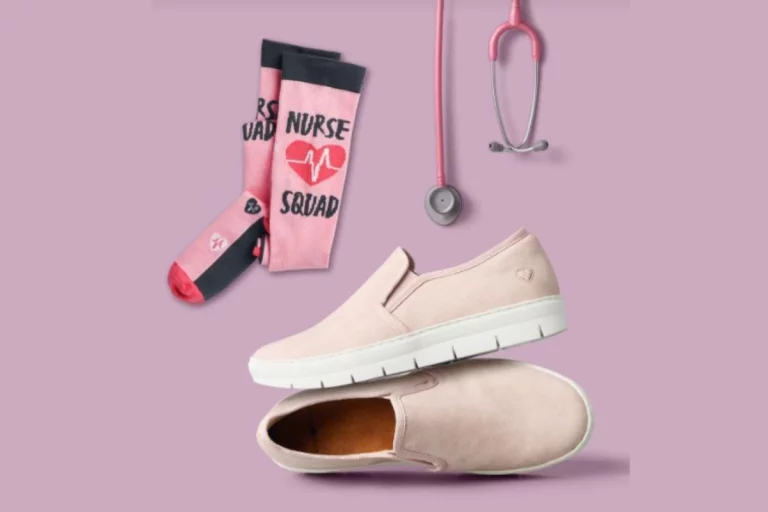
Compression Socks: Nurses spend long hours on their feet, leading to potential leg fatigue and varicose veins. Compression socks advance blood circulation, reduce swelling, and provide much-needed support, ensuring nurses can stay on their feet and maintain their energy levels throughout their shifts.
Scrub Pocket Organizer: With various medical tools needed during a shift, a scrub pocket organizer keeps essential instruments close at hand. These organizers are compact and fit neatly into the pockets of nurses’ scrubs, providing easy access to items like pens, scissors, and tape.
Comfortable Footwear: Comfort is vital when it comes to nursing shoes. Proper footwear ensures stability and prevents fatigue during long shifts, reducing the risk of potential accidents. High-quality nursing shoes designed to provide ample support and cushioning for the feet.
Reusable Water Bottle: Staying hydrated is vital for everyone, especially for nurses who have busy and physically demanding schedules. A reusable water bottle is an eco-friendly and useful accessory that allows nurses to stay hydrated throughout their shifts.
Customizable Badge Reels: Badge reels offer a fun way for nurses to add personality to their uniforms. They come in various designs and can be customize with names or quotes, adding a personal touch to their daily attire.
In conclusion, nurse accessories not only serve practical purposes but also contribute to the identity and morale of nurses.
From classic tools like stethoscopes and watches to more personalized items like badge holders and badge reels, these accessories aid in healthcare tasks and help nurses express their individuality and dedication to their noble profession.
Embracing these essential nurse accessories can truly elevate healthcare with style and functionality, positively impacting both nurses and their patients.
Camp Lejeune’s Crisis: In the world of heroes, the veterans stand tall. They’ve endured the harshest conditions to protect all, and their sacrifices are immeasurable.
But behind the headlines and parades, there’s a pressing issue that demands your attention. It’s the complex healthcare challenges faced by those who once called Camp Lejeune home. Imagine the brave men and women who served with unwavering dedication, now struggling with severe health issues.
From rare illnesses to mental health battles, accessing proper healthcare becomes a hurdle, compounding their struggles. In this article, you’ll explore these intricate issues veterans confront.
Table of Contents
The Lingering Health Effects
The contaminated water at Camp Lejeune has left a lasting impact on the veterans who served there and their families. These health effects are far from generic; they are deeply concerning and often devastating. For starters, there are a host of rare illnesses that have afflicted many who were stationed at the base. These conditions, such as certain cancers, have been linked to exposure to toxic chemicals in the water supply.
Neurological ailments were overshadowed, which many few people knew about. Parkinson’s disease (PD) was one such risk which came as a surprise, according toNeurology Live. Those who had been stationed at the Camp had a higher risk of Parkinson’s disease (PD), according to research published in JAMA Neurology. Volatile organic compounds (VOCs) and TCE were the primary contributors.
Veterans from the camp had a greater prevalence rate of PD than those from Camp Pendleton. In contrast, this rate was a startling 70%.
Beyond physical ailments, mental health problems also cast a long shadow. The stress of dealing with chronic health issues, coupled with the traumas of military service, can lead to severe psychological distress. Vets and their loved ones often grapple with anxiety, depression, and post-traumatic stress disorder, compounding the already challenging situation.
Access to proper healthcare is a fundamental concern. Those facing these lingering health effects struggle to get the specialized care they need. The complexities of their conditions, coupled with bureaucratic obstacles, create hurdles in obtaining timely treatment.
The Battle for Recognition
For many ex-servicemen and their families, the battle for recognition of the health issues stemming from Camp Lejeune’s contaminated water is an ongoing struggle. The unique and severe symptoms of contaminated water at the camp can be difficult to pinpoint.
It makes it even more challenging for affected individuals to receive the care and support they need. Questions often linger around for which finding answers is crucial. For instance, many might wonderwhat are the symptoms of contaminated water at Camp Lejeune. They include a range of health problems like cancers, neurological disorders, and reproductive issues.
These symptoms are not only physically debilitating but also emotionally distressing for those who experience them. According to TorHoerman Law, connecting these symptoms to veteran’s service at the camp has been a significant challenge. It often requires years of effort and persistence. It’s, therefore, crucial to seek justice for the negligence that led to this contamination.
Legal actions are often the only way to hold those responsible accountable once these are linked with proper documentation and medical evidence.
Complex Healthcare Struggles
It’s the challenge of identifying and treating the unique health issues from exposure to contaminated water. The range of rare illnesses, from various cancers to neurological disorders, requires specialized care and a deep understanding of their origins.
Ensuring access to sufficient healthcare is a fundamental issue. Veterans often face obstacles in obtaining the necessary medical attention. The system can be bureaucratic and fragmented, making it challenging to navigate for those with complex and unique health needs.
The Role of Advocacy Groups
Advocacy groups have been instrumental in pressuring the government to acknowledge the link between water contamination and the health issues veterans are experiencing. Their relentless efforts have brought the Camp Lejeune crisis to the forefront.
They have also pushed for accountability and compensation for those affected. These groups have fought against the generic bureaucratic inertia that often stands in the way of justice.
These organizations offer critical support to ex-servicemen navigating the complex healthcare system. They provide resources, information, and assistance in accessing the specialized care and benefits vets and their families require. This support is far from generic; it’s tailored to the unique needs of those dealing with the lasting health effects of the camp.
Government Initiatives
The government’s acknowledgment of the problem is a crucial step. It is essential to understand the delay in recognizing the link between water contamination and health issues. Recent initiatives have been aimed at rectifying this delay and offering justice and support to those suffering.
Several people were pleased with the initiative that the US Environmental Protection Agency presented. The government organization, according to ABC11, published a planned strategy to outlaw the use of trichloroethylene (TCE) in any capacity.
This chemical, which causes cancer, is widely used in industry and is present in hundreds of water sources worldwide. It was one of the contributing factors to the depletion of the Camp Lejeune water reserve.
It was crucial since it increases the risk of Parkinson’s disease in individuals, particularly those stationed at the camp, as mentioned earlier. For consumer goods and most commercial applications, the new rule would go into force in a year.
Government programs and agencies have been established to streamline the process for veterans seeking healthcare and compensation. These efforts are made to simplify the bureaucratic hurdles and make it easier for them to access the specialized care they need. Also, the benefits they deserve.
Personal Stories
Every veteran and their family has a story to tell. These stories bring to life the struggles, triumphs, and daily battles they endure. They highlight the physical and emotional toll that the contaminated water has taken, and they underscore the urgency of finding solutions.
Mike Partain, a man who suffered from breast cancer, was born at Camp Lejeune. He alleges that not one instance of litigation has been settled. Also, no compensation offers have been made in the year following the Camp Lejeune Act was passed. As per him, the number of male breast cancer from the camp has been abnormally high since January 30, 1968.
According to CBS News, he contracted the sickness just after birth. Without realizing it, his parents gave him the solution of baby powder combined with the tainted water. As a newborn, Partain would cry out in agony due to sufferings that were beyond explanation, as his mother still remembers. It is impossible to imagine the impact that such misery may have on the lives based on accounts such as these.
These stories serve as a reminder that behind the statistics and bureaucratic processes are individuals who need support. They reveal the courage and resilience of those affected by the crisis.
Conclusion
The Camp Lejeune crisis reveals a world of struggles faced by veterans and their families. It’s not just about contaminated water; it’s about rare illnesses, mental health battles, and the fight for recognition. Government initiatives and advocacy groups also play their part in support.
Personal stories serve as a reminder that real people are at the heart of this issue. All must continue to work together to ensure that vets get the specialized care and support they need.
Breast augmentation is one of the most commonly performed cosmetic surgeries in the United States. If you’re considering this procedure, you probably have questions about safety, costs, recovery, and results.
This guide covers everything you need to know, from choosing the right implants to understanding realistic recovery timelines. We’ve based this information on medical research, FDA data, and guidelines from board-certified plastic surgeons.
Table of Contents
What is Breast Augmentation?
Breast augmentation, medically called augmentation mammaplasty, is a surgical procedure that increases breast size using implants or fat transfer. According to the American Society of Plastic Surgeons, more than 300,000 breast augmentation procedures were performed in 2023, making it one of the most popular cosmetic surgeries in the country.
The procedure involves placing implants under breast tissue or chest muscles to add volume and improve shape. It typically takes one to two hours and is performed under general anesthesia.
What Breast Augmentation Can Do
Breast augmentation is a cosmetic surgery that increases breast size and enhances shape using implants or fat transfer. Breast augmentation in Dallas is an example of this procedure, where saline or silicone implants are placed into the breast tissue to achieve fuller, more balanced breasts.
What Breast Augmentation Cannot Do
This procedure won’t fix significant sagging. If your nipples point downward or sit below your breast fold, you likely need a breast lift instead of or in addition to augmentation.
It also won’t guarantee perfect symmetry—most people have naturally asymmetric breasts, and surgery can improve but not eliminate this.
Who is a Good Candidate for Breast Augmentation?
The FDA approves breast implants for people who are at least 18 years old for saline implants and 22 years old for silicone gel implants.
Beyond age requirements, good candidates are physically healthy, have realistic expectations, and are bothered by small breast size or asymmetry.
You should be in good overall health without conditions that impair healing or increase surgery risks. Smoking significantly increases complications, so surgeons typically require you to quit at least several weeks before surgery.
You may not be a good candidate if you have active breast cancer or untreated precancerous breast lesions, are currently pregnant or breastfeeding, have uncontrolled diabetes or serious autoimmune conditions, or have unrealistic expectations about outcomes.
Some surgeons also recommend waiting if you’re planning pregnancy in the near future, as pregnancy and breastfeeding can change breast shape and potentially affect results.
Emotional Readiness and Expectations
Beyond medical factors, emotional readiness matters just as much. Breast augmentation is more likely to feel satisfying when you’re doing it for yourself—not to please a partner, friends, or social media.
Surgeons also watch for signs of body dysmorphic disorder or very unrealistic expectations. If you struggle with severe body image concerns, depression, or anxiety, it’s important to discuss this honestly with your surgeon and, if needed, a mental health professional before surgery.
A good consultation should feel like shared decision-making. That means your surgeon explains options, risks, and likely outcomes clearly, and you both decide together whether surgery fits your goals and lifestyle.
Medical Disqualifications
You may not be a good candidate if you have active breast cancer or untreated precancerous breast lesions, are currently pregnant or breastfeeding, have uncontrolled diabetes or autoimmune conditions, or have unrealistic expectations about outcomes.
Some surgeons also recommend waiting if you’re planning pregnancy in the near future, as pregnancy and breastfeeding can change breast shape and potentially affect results.
Good Candidate
Not a Good Candidate
18+ (saline) or 22+ (silicone)
Under minimum age
Healthy non-smoker
Active smoker
Realistic expectations
Expects perfection
Stable weight
Planning major weight changes
Finished with childbearing (preferred)
Currently pregnant/breastfeeding
Bothered by small size
Happy with current size
When You May Need to Wait or Avoid Surgery
Your surgeon may advise delaying or avoiding breast augmentation if your chronic health conditions are poorly controlled, you smoke and are unwilling to quit, or you have an active infection anywhere in your body.
Surgery may also be postponed if you have major untreated mental health or body‑image issues, or if your goals don’t match what your anatomy can safely achieve—for example, wanting very large implants on a very narrow chest.
Waiting until your health, expectations, and life circumstances are stable usually leads to safer surgery and better long‑term satisfaction.
Types of Breast Implants
Choosing the right implant involves decisions about fill material, shape, texture, and size. Each option has different benefits and considerations.
Saline vs. Silicone Implants
Common implant options used in modern breast augmentation procedures.
Saline implants are filled with sterile salt water. They’re inserted empty and filled during surgery, which means they can use smaller incisions.
If a saline implant ruptures, your body safely absorbs the saline and the deflation is usually obvious within a short time.
Silicone implants are pre-filled with silicone gel that feels more like natural breast tissue. Most people find them softer and more natural-feeling than saline.
Because silicone implant ruptures can be “silent,” the FDA recommends periodic imaging (such as MRI or ultrasound) to check for rupture in women with silicone gel implants.
Feature
Saline Implants
Silicone Implants
Feel
Firmer, may ripple
Softer, more natural
FDA minimum age
18 years old
22 years old
Rupture detection
Immediately obvious
May need MRI to detect
Incision size
Smaller (filled after insertion)
Larger (pre-filled)
Average cost difference
Slightly less expensive
Slightly more expensive
Implant Shapes: Round vs. Teardrop
Round implants are the most common choice. They provide more fullness in the upper breast and maintain their appearance even if they rotate.
Teardrop implants, also called anatomical or “gummy bear” implants, have more volume at the bottom to mimic a natural breast slope. They are made with highly cohesive silicone gel that helps them hold their shape.
If a teardrop implant rotates, it can create an unnatural appearance and may require corrective surgery.
Implant Texture: Smooth vs. Textured
Smooth implants have a softer feel and can move naturally with breast tissue. They’re the most commonly used type in the United States.
As of mid‑2024, updates summarizing FDA data report roughly 1,300+ global cases and over 60 deaths related to BIA‑ALCL, highlighting that the condition is rare but serious.
Because of this risk, many surgeons now prefer smooth implants unless there’s a specific reason to use textured devices.
Choosing Your Implant Size
Implant size is measured in cubic centimeters (cc), not cup sizes. Cup sizes vary between bra manufacturers, but cc volume is consistent. Most breast augmentations use implants between 300cc and 500cc.
Your surgeon will help you choose based on your body frame, existing breast tissue, and desired outcome. Many surgeons use sizers during your consultation—you wear them in a sports bra under your clothes to see how different sizes look.
How Surgeons Help Choose Size and Shape?
Surgeons don’t just pick a cup size—they match implant width and projection to your chest width, skin stretch, and existing breast tissue. This helps avoid implants that are too wide or too narrow for your frame.
Many practices use in‑office sizers, 3D imaging, or photo galleries of patients with similar body types so you can see how different volumes and shapes might look on you. These tools reduce guesswork and help you feel more confident in your final choice.
The “Rice Test” for Sizing
Some surgeons recommend the rice test at home. Fill knee-high stockings with measured amounts of rice (300cc, 400cc, etc.) and place them in a non-padded bra. This gives you a rough idea of how different volumes look under clothing.
Remember that implants add volume behind your existing breast tissue, so the final result will look different than sizers worn in a bra. Photos of patients with similar builds to yours are often the most helpful sizing tool.
Popular Size Ranges
Based on plastic surgery data, here are typical implant sizes by body type:
These are general guidelines only. Your chest width, existing breast tissue, and personal preference matter more than body weight alone.
Implant Placement Options
Common implant placement techniques used in breast augmentation surgery.
Where your surgeon places the implant affects recovery time, appearance, and long-term risks.
Placement
Recovery Time
Look/Feel
Rippling Risk
Best For
Submuscular (under the muscle)
2–3 weeks
Very natural
Low
Thin tissue, active lifestyle
Subglandular (over the muscle)
1–2 weeks
More fullness on top
Higher
Adequate natural breast tissue
Dual plane (partial under muscle)
~2 weeks
Natural look with good projection
Low
Most average patients
Submuscular (Under the Muscle)
Submuscular placement puts the implant under your pectoralis major muscle. This provides more tissue coverage over the implant, which typically creates a more natural appearance, especially if you have minimal breast tissue.
Benefits include easier mammogram readings, lower rippling risk, and potentially lower capsular contracture rates. The main downside is a longer, more uncomfortable recovery period because the muscle must stretch to accommodate the implant.
Subglandular (Over the Muscle)
Subglandular placement puts the implant behind your breast tissue but in front of the chest muscle. This creates a shorter, less painful recovery and may provide more cleavage.
However, this placement has a higher risk of visible rippling, especially if you have thin breast tissue. Mammograms can also be slightly more difficult.
Dual Plane (Partial Submuscular)
Dual plane is a hybrid approach where the implant’s upper portion sits under the muscle while the lower portion sits under breast tissue only. This combines benefits of both placements—natural upper breast appearance with better lower breast projection.
Placement
Recovery Time
Natural Appearance
Rippling Risk
Best For
Submuscular
2-3 weeks
Very natural
Low
Thin tissue, active lifestyle
Subglandular
1-2 weeks
More fullness on top
Higher
Adequate breast tissue
Dual Plane
2 weeks
Natural + projection
Low
Most patients
Incision Options
Your surgeon can access the breast pocket through several incision locations. Each has advantages regarding scarring and surgical precision.
Inframammary (under breast fold): This is the most common approach. The incision sits in the natural fold under your breast, making it well-hidden. It provides excellent visibility during surgery and allows precise implant placement.
Periareolar (around nipple): This incision follows your areola’s edge. Scars blend into the color transition between areola and skin. However, this approach has a slightly higher risk of decreased nipple sensation and may interfere with breastfeeding.
Transaxillary (armpit): The incision is made in your armpit crease, leaving no scars on the breast itself. This approach requires an endoscope and offers less precision than other methods.
Transumbilical (belly button): This rare approach uses an incision at your belly button. It only works with saline implants and offers the least surgical precision. Few surgeons perform this technique.
Most surgeons prefer the inframammary approach because it provides the best access and control during surgery while producing well-hidden scars.
Pre‑Surgery Evaluation and Preparation
Before surgery, your surgeon will review your medical history, examine your breasts, and sometimes recommend tests such as blood work or, in some cases, a baseline mammogram based on your age and risk factors.
You’ll usually be asked to stop smoking, avoid certain medications and supplements that increase bleeding (like some pain relievers or herbal products), and arrange for someone to drive you home and stay with you after surgery.
It also helps to set up your recovery space in advance. Keep essentials like medications, water, snacks, phone charger, and pillows within easy reach so you’re not stretching or lifting more than you should in the first few days.
The Breast Augmentation Procedure: Step-by-Step
Breast augmentation performed in a sterile surgical environment.
Understanding what happens during surgery can help ease anxiety. Here’s the typical process:
Before Surgery
You’ll receive instructions to stop eating and drinking at midnight the night before. Certain medications, particularly aspirin and anti-inflammatory drugs, must be stopped one to two weeks before surgery because they increase bleeding risk.
Arrive at the surgical center in comfortable, loose-fitting clothing that buttons or zips in front. You won’t be able to lift your arms overhead easily after surgery.
During Surgery
Most breast augmentations take one to two hours. You’ll receive general anesthesia, meaning you’ll be completely asleep. Some surgeons offer twilight sedation for certain cases, but general anesthesia is more common.
Your surgeon makes the chosen incision, creates a pocket for the implant (either under muscle or breast tissue), inserts and positions the implant, then closes the incisions with layered sutures. Surgical drains are rarely needed for breast augmentation.
Immediately After Surgery
You’ll wake up in a recovery room wearing a surgical bra or compression garment. Most people feel groggy, sore, and tight in the chest. This is normal. You’ll need someone to drive you home and stay with you for at least the first 24 hours.
Recovery Timeline: What to Expect Week by Week
Early recovery phase following breast implant surgery.
Recovery varies by individual, but here’s what most people experience:
Week 1: Immediate Recovery
Pain peaks in the first 48-72 hours. Most people describe it as tightness, soreness, or feeling like you did 1,000 push-ups. Prescription pain medication helps during this time.
Your breasts will be swollen, bruised, and sit high on your chest. This is temporary—implants “drop and fluff” over several weeks as swelling decreases and muscles relax.
Activity restrictions: No lifting anything over 5-10 pounds. No raising your arms above shoulder height. Sleep on your back with your upper body elevated. Most people take one week off work for desk jobs.
Weeks 2-4: Gradual Healing
Pain should significantly improve by week two. Many people switch to over-the-counter pain relievers or stop pain medication entirely.
Swelling continues decreasing. You can usually shower normally once your surgeon approves (typically 48 hours after surgery). You’ll have a follow-up appointment to check incision healing.
Activity restrictions: You can do light walking and gentle movement. No heavy lifting or vigorous exercise. Continue wearing your surgical bra or a supportive sports bra.
Months 2-3: Implants Settling
This is the “drop and fluff” phase. Your implants gradually settle into a more natural position. Swelling continues decreasing, and your breast shape becomes more defined.
Most people return to normal exercise at six to eight weeks, once their surgeon approves. Start with light cardio and gradually increase intensity.
Activity milestones: Most people can return to full exercise, including upper body workouts, by three months. High-impact activities may take longer.
Long-term Recovery (3-6 months)
Final results typically appear around six months. Your incision scars fade from red to pink to white over 12-18 months. Silicone scar sheets or gels can help minimize scarring.
Your implants should feel like a natural part of your body by six months. Initially firm breasts soften as your tissues adapt.
Timeline
Pain Level
Swelling
Activity Level
Work Return
Days 1-3
High (7-9/10)
Severe
Bed rest
No
Week 1
Moderate (4-6/10)
High
Light activity
Desk job possible
Weeks 2-4
Mild (2-4/10)
Moderate
Walking, daily tasks
Yes (most jobs)
Months 2-3
Minimal (0-2/10)
Mild
Exercise returning
Full activity
Month 6+
None
Resolved
Unrestricted
Full normal
Post-Operative Care & What to Wear
Following post-op instructions carefully reduces complications and improves results.
Bra Requirements
You’ll wear a surgical bra or compression garment continuously for the first two to four weeks. This supports your breasts and helps control swelling. Your surgeon will tell you when you can switch to a regular sports bra.
Avoid underwire bras for at least six to eight weeks. Underwires can irritate incisions and interfere with healing. Once cleared, you can gradually introduce underwire bras.
Sleep Position
Sleep on your back with your upper body elevated at 30-45 degrees for at least two weeks. This reduces swelling and prevents pressure on incisions. Use pillows to prop yourself up, or sleep in a recliner if you have one.
Most surgeons allow side sleeping after four to six weeks and stomach sleeping after eight to twelve weeks.
Scar Care
Once incisions are fully closed (usually two weeks), you can begin scar massage. Gently massage scars with vitamin E oil or silicone scar gel in circular motions for five minutes, twice daily. This helps soften and flatten scars.
Protect scars from sun exposure for at least one year. UV exposure can darken scars permanently. Use sunscreen or keep scars covered when outdoors.
Warning Signs to Watch For
Contact your surgeon immediately if you experience fever over 101°F, increasing pain after initial improvement, foul-smelling discharge from incisions, or significant asymmetry that develops suddenly. These could indicate infection or other complications requiring medical attention.
Results: What Your Breasts Will Look Like
Example of proportional breast enhancement following augmentation surgery.
Setting realistic expectations helps ensure satisfaction with your results.
Initial Appearance
Immediately after surgery, your breasts will look swollen, sit high on your chest, and appear unnaturally round. This is temporary. As swelling decreases and muscles relax, implants drop into a more natural position over six to twelve weeks.
One breast may drop faster than the other, causing temporary asymmetry. This usually resolves on its own.
Final Results
At six months, you’ll see your true results. Your breasts should feel soft and move naturally. The degree of naturalness depends on your implant choice, placement, and existing breast tissue.
Larger implants tend to look less natural, especially on petite frames. Submuscular placement typically looks more natural than subglandular placement.
Cleavage Considerations
How much cleavage you get depends on your chest anatomy, not just implant size. If your breasts naturally sit wide apart on your chest, implants won’t create significant cleavage. Submuscular placement also creates less cleavage than subglandular placement because muscle keeps implants slightly separated.
Push-up bras can still enhance cleavage after augmentation, just as they did before surgery.
Long-term Changes
Your breast size and shape will change over time due to aging, weight fluctuations, and gravity. Implants themselves don’t sag, but the surrounding breast tissue does. Maintaining a stable weight helps preserve results longer.
Pregnancy and breastfeeding can also change breast appearance. Some people choose revision surgery after having children.
Risks and Complications
Like any surgery, breast augmentation carries risks. Understanding these helps you make an informed decision.
Common Side Effects
Nearly everyone experiences temporary swelling, bruising, and soreness. These resolve within weeks. Many people also have temporary nipple sensitivity changes—either increased sensitivity or numbness. Sensation typically returns to normal within a few months, though permanent changes occur in approximately 15% of patients.
Serious Complications
Capsular contracture is the most common serious complication, occurring in approximately 10-20% of patients according to research published in medical journals. Your body naturally forms a capsule of scar tissue around any implant. If this capsule tightens and squeezes the implant, it can cause firmness, distortion, or pain. Severe cases require surgery to release or remove the capsule.
Implant rupture can occur from trauma, compression during mammography, or spontaneous deflation. Saline implant ruptures are immediately obvious—the breast deflates within hours. Silicone ruptures may be “silent” and only detectable through MRI screening.
Infection occurs in less than 2% of cases but can be serious. Most infections develop within the first few weeks after surgery. Treatment usually involves antibiotics, but severe infections may require temporary implant removal.
Bottoming out happens when the implant drops below the natural breast fold, creating an empty upper breast and overly full lower breast. This requires surgical correction.
Breast implant illness (BII) is a term some people use to describe symptoms they believe are related to their implants, including fatigue, joint pain, and cognitive issues. Large studies, including research published by the National Institutes of Health, have shown mixed results, and there is still no single proven cause, but some people do report symptom improvement after implant removal.
Talking to Your Surgeon About Breast Implant Illness
If you’re worried your implants might be affecting your health, your concerns should be taken seriously. A good surgeon will listen, ask about your symptoms, and explain what tests or next steps make sense for you.
Keep simple notes about when your symptoms started, how often they happen, and what makes them better or worse. This can help your surgeon decide on blood tests, scans, referrals, or whether to talk about implant removal as an option.
Even though research on BII is still ongoing, you should feel heard and supported and be given a clear follow‑up plan—not made to feel like you’re imagining things.
BIA-ALCL (Breast Implant-Associated Anaplastic Large Cell Lymphoma) is a rare type of lymphoma that can develop in the scar tissue around textured breast implants. As of 2024, the FDA has confirmed approximately 1,000 cases worldwide and 60 deaths. The condition is extremely rare but serious. Because of this risk, many surgeons now use smooth implants instead of textured.
Complication
Frequency
Treatment Required
Swelling/bruising
Nearly 100%
None (resolves naturally)
Temporary sensation changes
60-70%
None (usually resolves)
Capsular contracture
10-20%
Possible revision surgery
Permanent sensation changes
~15%
None available
Implant rupture (10-year rate)
10-15%
Implant replacement
Infection
<2%
Antibiotics ± removal
BIA-ALCL (textured implants)
Very rare
Implant removal + treatment
Breast Augmentation vs. Breast Lift: Which Do You Need?
Many people confuse these procedures, but they address different concerns.
Cosmetic Augmentation vs. Reconstruction
Cosmetic breast augmentation is done to enhance the size and shape of naturally developed breasts. Breast reconstruction with implants is different—it rebuilds the breast after mastectomy or major breast surgery.
Reconstruction often involves additional steps such as tissue expanders and staged procedures, and it is usually covered by health insurance under specific laws, unlike most cosmetic augmentation.
Breast Augmentation
Breast augmentation adds volume using implants or fat transfer. It’s best for people who want larger breasts but have minimal sagging. Augmentation doesn’t lift the nipple position or remove excess skin.
If your nipples point forward and sit above your breast fold, augmentation alone will likely give you the results you want.
Breast Lift (Mastopexy)
A breast lift repositions your nipples and reshapes breast tissue by removing excess skin. It doesn’t add volume—in fact, your breasts may appear slightly smaller after surgery due to tissue tightening.
If your nipples point downward or sit below your breast fold, you need a lift. The “pencil test” can help—if you can hold a pencil under your breast without it falling, you have some degree of sagging.
Combined Procedure
If you want larger breasts AND have significant sagging, you may need both procedures. This can be done simultaneously or staged (lift first, augmentation later).
Combined surgery means one recovery period but a longer, more complex operation. Discuss the risks and benefits with your surgeon.
Procedure
Adds Volume
Lifts Position
Removes Skin
Scars
Recovery
Augmentation
Yes
No
No
Minimal
2-4 weeks
Lift
No
Yes
Yes
Extensive
3-6 weeks
Combined
Yes
Yes
Yes
Extensive
4-6 weeks
Non-Surgical Alternatives
If you’re not ready for implants, some alternatives exist, though results are limited.
Fat Transfer Breast Augmentation
Fat transfer, also called autologous fat grafting, removes fat from one body area via liposuction and injects it into your breasts. This is the only non-implant surgical option that actually increases breast size.
Results are subtle—typically one cup size maximum. You need enough body fat for harvesting, and approximately 30-40% of transferred fat is reabsorbed by your body. Multiple sessions may be needed for desired results.
Benefits include a very natural look and feel, no foreign material in your body, and body contouring at the liposuction site. Downsides include limited size increase, unpredictable reabsorption rates, and higher cost per unit of volume added compared to implants.
Types of Breast Augmentation and Alternatives
You can think about breast enhancement in three main groups: standard implant surgery, surgery without implants, and non‑surgical options with limited effect.
Breast implants (saline or silicone): The most common option, using implants placed under or over the muscle through different incision sites.
Hybrid augmentation (implant + fat): In some practices, surgeons combine a smaller implant with fat grafting around it for softer edges and a more natural contour.
Fat transfer only: Uses your own fat (taken with liposuction) to give a subtle, usually one‑cup‑size increase and improve shape without an implant.
External expansion devices: Vacuum/expander devices can cause mild tissue expansion with very consistent use over months, but changes are usually modest.
Skin‑tightening and “non-surgical lift” treatments: Lasers, radiofrequency, or threads may slightly tighten the skin but don’t truly increase breast volume.
Exercise and posture: Strengthening chest and back muscles can make your chest look better supported, but it doesn’t increase actual breast tissue.
What Doesn’t Work
Breast enhancement pills and creams are widely marketed but don’t work. No oral supplement or topical cream has been proven to increase breast size in scientific studies. Save your money.
Exercises can strengthen chest muscles, which may slightly improve breast shape and posture, but they don’t increase actual breast tissue size.
Breast Augmentation Cost
Breast augmentation is typically not covered by insurance because it’s considered cosmetic. You’ll pay out-of-pocket unless the procedure is reconstructive (for example, after mastectomy).
Total typical costs range from $5,000 to $10,000 depending on location, surgeon experience, implant choice, and surgical facility. Urban areas and coastal cities tend to be more expensive.
Cost Component
Typical Range
Surgeon’s fee
$3,500–$6,000
Anesthesia
$1,000–$1,500
Surgical facility
$800–$1,500
Implants
$1,000–$2,000
Pre-op testing
$200–$500
Post-op garments
$50–$150
Follow-up visits
Usually included
Total
$5,000–$10,000
Geographic Variations
Costs vary significantly by location. Major metropolitan areas like New York, Los Angeles, and San Francisco typically charge 20–40% more than smaller cities or rural areas. However, traveling far for surgery isn’t always recommended—you need local access to your surgeon for follow-up appointments and any complications.
Financing Options
Many plastic surgery practices offer financing through companies like CareCredit or Alphaeon. These medical credit cards provide payment plans, often with promotional interest-free periods.
Some surgeons also offer in-house payment plans. Always read the fine print regarding interest rates, fees, and what happens if you miss a payment.
Insurance Coverage
Insurance typically doesn’t cover cosmetic breast augmentation. However, reconstructive breast surgery after mastectomy is covered under the Women’s Health and Cancer Rights Act of 1998, which requires insurance plans that cover mastectomy to also cover reconstruction.
If you have tuberous breast deformity or severe asymmetry, insurance may cover surgery in some cases, but detailed documentation and pre-authorization are essential.
Typical Cost by Country
Costs vary widely between countries. The ranges below are approximate package prices that often include the surgeon’s fee, anesthesia, facility, and implants, but details depend on the clinic and city.
Country
Typical Total Cost (approx.)
Notes
United States
$5,000 – $10,000
Higher fees for surgeon, facility, and implants; major cities often at the top of the range.
Canada
$6,000 – $8,000
Prices vary by province and clinic; often similar to or slightly below large U.S. metro areas.
United Kingdom
£3,500 – £7,000
Private clinics set their own fees; London tends to be more expensive than regional centers.
Australia
AUD 10,000 – 15,000
Often includes surgery, anesthesia, and hospital costs; big-city clinics sit at the higher end.
India
$3,000 – $4,500
Typically lower labour and facility costs; popular for medical tourism but surgeon and hospital quality vary.
Mexico
$3,500 – $4,500
Frequently marketed to medical tourists; total price may include travel-support packages.
Turkey
$3,000 – $5,000
Known as a lower-cost hub for cosmetic surgery with package deals that may include hotel and transfers.
Brazil
$3,800 – $6,000
Large cosmetic surgery market with many high-volume surgeons in major cities.
Lower prices abroad can be attractive, but it’s important to check the surgeon’s credentials, facility accreditation, infection control standards, and what aftercare is realistically available once you return home.
Special Considerations
Several important topics deserve extra attention if you’re considering breast augmentation.
Most people can breastfeed successfully after breast augmentation, and implant surgery does not automatically prevent milk production. However, some factors can make breastfeeding more difficult, such as periareolar incisions that may affect milk ducts and nerves, pre‑existing breastfeeding problems, or very limited natural breast tissue.
If future breastfeeding is important to you, tell your surgeon during your consultation. In many cases, an inframammary (breast fold) incision is preferred because it has the lowest chance of interfering with breastfeeding.
You can and should continue getting mammograms after breast augmentation. Implants do not increase breast cancer risk, but they can make images harder to interpret, which is why you must always tell the technician you have implants. They can then use implant displacement views, which gently move the implant back against the chest wall so more breast tissue can be seen.
The FDA recommends periodic imaging such as MRI or ultrasound for people with silicone implants to check for silent ruptures, although not all insurance plans cover this. Submuscular placement generally makes mammogram interpretation easier than subglandular placement because more breast tissue sits in front of the implant.
Implant Lifespan and Replacement
Imaging such as MRI may be recommended to evaluate silicone implant integrity.
Breast implants are not lifetime devices. They don’t have a fixed expiration date, but the longer you have them, the more likely you are to develop issues such as rupture, capsular contracture, or changes in position that may require surgery.
According to FDA guidance, many surgeons suggest thinking about the possibility of replacement somewhere in the 10–20‑year range, but if your implants look and feel normal and you have no symptoms, routine replacement isn’t automatically required.
Common reasons for revision surgery include implant rupture or deflation, capsular contracture causing firmness or distortion, a desired size change, implant shifting or “bottoming out,” and normal aging changes in breast shape. Around 1 in 5 augmentation patients will need some form of additional breast or implant surgery within about 10 years.
Long‑Term Follow-Up and Monitoring
Breast implants require long‑term follow-up, even when you feel fine. Most surgeons recommend periodic visits to check breast shape, firmness, and any new symptoms over the years.
For silicone gel implants, your surgeon may suggest MRI or ultrasound at intervals, especially if you notice changes in how your breasts look or feel.
Contact your surgeon promptly if you notice sudden swelling, a new lump, marked asymmetry, persistent pain, or fluid around the implant area. These signs don’t always mean a serious problem, but they should be evaluated quickly to rule out complications.
How to Choose a Qualified Plastic Surgeon
Your surgeon choice is the single most important factor affecting your safety and results.
Board Certification
Choose a surgeon certified by the American Board of Plastic Surgery (ABPS). This is the only board recognized by the American Board of Medical Specialties for plastic surgery. Board certification requires:
Completion of plastic surgery residency training (typically 6-7 years after medical school)
Passage of comprehensive written and oral examinations
Ongoing continuing medical education
Some doctors claim to be “board certified” in cosmetic surgery by lesser-known boards that don’t require the same rigorous training. Always verify ABPS certification at the American Board of Medical Specialties website.
Experience and Specialization
Ask how many breast augmentations your surgeon performs annually. Surgeons who regularly perform a procedure tend to have better outcomes and lower complication rates. Look for someone who performs at least 50-100 breast augmentations per year.
Review before-and-after photos of the surgeon’s actual patients, particularly those with builds similar to yours. Be wary of stock photos or photos that look too perfect—they may not be real patient results.
Hospital Privileges
Make sure your surgeon has admitting privileges at a nearby hospital. This indicates the hospital has vetted their credentials and skills. If a complication occurs, you want your surgeon able to provide hospital care if needed.
Red Flags to Avoid
Be cautious if a surgeon:
Isn’t board certified by ABPS
Pressures you to book surgery during the first consultation
Offers prices significantly below the market average
Guarantees perfect results
Dismisses your concerns or questions
Doesn’t require a physical examination before providing recommendations
Performs surgery in an unlicensed facility
Questions to Ask at Your Consultation
Come prepared with questions:
Are you board certified by the American Board of Plastic Surgery?
How many breast augmentations do you perform each year?
What’s your complication rate for this procedure?
What’s your revision rate (percentage of patients needing additional surgery)?
What size and type of implant do you recommend for my goals and body type?
What placement and incision approach do you suggest, and why?
May I see before-and-after photos of patients with similar builds?
What happens if I need revision surgery—what are the costs?
Where will you perform my surgery? Is it an accredited facility?
Who will administer anesthesia? What are their credentials?
A qualified surgeon will answer these questions thoroughly and make you feel comfortable.
Frequently Asked Questions
1. Am I a good candidate for breast augmentation?
You may be a good candidate if you’re healthy, at least 18 for saline or 22 for silicone, a non‑smoker or willing to quit, and bothered by small or uneven breasts. Your surgeon will also review your medical history, breast anatomy, and expectations before recommending surgery.
2. How long is breast augmentation recovery and when can I go back to work?
Most people feel the worst discomfort in the first 2–3 days and then improve over the first week. Many return to desk jobs in about a week, but heavy lifting and intense workouts are usually restricted for 4–6 weeks, depending on your surgeon’s advice.
3. Will breast implants affect my ability to breastfeed?
Many people breastfeed normally after augmentation. However, periareolar incisions and pre‑existing breastfeeding problems can make it harder, so if breastfeeding is important to you, tell your surgeon so they can choose the safest incision and technique.
4. Will breast implants interfere with mammograms or cancer screening?
You can still have regular mammograms with implants. Always tell the imaging center you have implants so they can use special implant displacement views to see more tissue. Implants don’t increase breast cancer risk but do require extra care in imaging.
5. Do breast implants need to be replaced every 10 years?
There is no strict 10‑year rule. Implants are not lifetime devices, and many people eventually need another surgery for rupture, capsular contracture, or shape changes, but if your implants look and feel fine and you have no issues, routine replacement at exactly 10 years isn’t mandatory.
6. What is the difference between implants under vs over the muscle?
Under‑the‑muscle placement usually looks more natural and may make imaging easier but can mean more soreness early on. Over‑the‑muscle placement often has a quicker recovery and more upper‑pole fullness but can show more rippling in people with thinner tissue.
7. How much does breast augmentation cost?
In the US, most people pay somewhere between $5,000 and $10,000 including surgeon, facility, anesthesia, and implants. Costs vary by city, surgeon experience, implant choice, and whether you’re having surgery at a hospital or a private surgical center.
You can replace your current FAQ block with just these 7 and you’re still well‑aligned with search + voice intent.
Final Thoughts
Breast augmentation can significantly improve your confidence and satisfaction with your appearance when performed for the right reasons with realistic expectations. The key to a positive outcome is choosing a qualified surgeon, understanding the procedure thoroughly, and being honest with yourself about your motivations and expectations.
Take your time making this decision. Consult with multiple board-certified plastic surgeons, review their work, and ensure you feel comfortable with your choice. A good surgeon will answer all your questions, never pressure you, and prioritize your safety above all else.
Remember that while complications are relatively uncommon, they do occur. Understanding the risks helps you make an informed decision and recognize when something needs medical attention.
If you decide breast augmentation is right for you, following your surgeon’s pre-op and post-op instructions carefully will give you the best chance of a smooth recovery and beautiful results.
When you’re facing a mastectomy, you have a lot to consider. Since the most common reasons for mastectomy are existing or predicted breast cancer, your health must always come first.
Unfortunately, mastectomy is often a necessary part of treatment, resulting in a permanent change to your body.
But there’s also the emotional aspect. In the past, women with one or both breasts removed (or a portion of the breast) might face a lifetime of feeling unlike themselves.
Luckily, this has changed with today’s advancements in breast reconstruction. Now, women have more options than ever to help them restore a feeling of wholeness.
An expertly performed breast reconstruction can result in a body that matches your renewed physical health and how you feel about yourself. But which technique should you choose?
More women today are opting for implant-based breast reconstruction surgery. If you think this technique may be appropriate, you still likely have questions: What exactly is implant-based breast reconstruction surgery? Is it for you? And what will your recovery be like?
We address all this in the Q&A below.
Table of Contents
What Is Implant-Based Breast Reconstruction?
Implant-based breast reconstruction recreates the breast mound using implants. The implants can be placed either during your mastectomy (immediate reconstruction) or at some point afterward (delayed reconstruction).
While immediate reconstruction is often preferred (for aesthetic and emotional reasons), you may need to wait for your implants.
This often depends on the other aspects of your cancer treatment, such as radiation and chemotherapy.
If you are considering delayed reconstruction with implants, your skin tissue must be expanded first. (More on that below.) This may also be the case for immediate reconstruction.
What Are the Benefits of Implant-Based Breast Reconstruction?
Different women choose different techniques for their breast reconstruction. Women choose implant-based breast reconstruction because it can deliver:
A more youthful-looking, natural result
A comparatively easy breast reconstruction recovery (as opposed to tissue-based breast reconstruction)
A more symmetrical result (especially if your mastectomy is bilateral)
Are You a Good Candidate for Implant-Based Breast Reconstruction?
You may be a candidate for this technique if:
You have a bilateral mastectomy (although it can also be performed on one breast)
You have a healthy skin envelope (some forms of radiation can damage the skin)
You have smaller breasts
What if You’re Not a Candidate?
Other options include autologous or “flap” reconstruction. This method uses skin, at, and sometimes muscle from another body part to reconstruct a breast shape.
Ask your doctor whether you’re a candidate for implant-based breast reconstruction and, if not, what your other options are.
Will You Need Expanders for Your Procedure?
If there isn’t enough skin to place the silicone implant underneath, you will need a series of skin expanders. This is common following mastectomy since some skin is also removed.
Skin expanders are often placed at the time of the initial surgery. About three to four weeks later, you will return to your doctor’s office for your first tissue expansion.
Think of tissue expanders like a balloon. They are gradually inflated more over time.
You will then undergo expansions every two weeks until the desired amount of skin is achieved for your implants.
How Is the Skin Expanded?
To increase the size of the expander, a slender needle is inserted through the skin into a magnetized port. Saline or carbon dioxide is injected through the needle into the expander.
The expander process takes place over a series of procedures so you are as comfortable as possible while the skin grows.
What Is Recovery Like After Implant-Based Breast Reconstruction?
Your recovery will be similar to recovery from other breast implant procedures.
If the implants are placed during your mastectomy, you should expect to feel more like yourself within six to eight weeks.
If you have a tissue expander procedure, you should feel healed from the surgery at approximately the same time.
Still, you will need a second surgery after the skin is expanded adequately.
Does the Result Look and Feel Natural?
Most patients love the results of their implant-based breast reconstruction. Today’s methods mean you can achieve a natural look and feel.
It’s essential to choose your plastic surgeon carefully so that you get the best possible result. (See below.)
How Can You Find the Right Plastic Surgeon?
Look for a doctor who:
Specializes in breast reconstruction
Is willing to tell you his or her education and credentials
Is board-certified with the American Board of Plastic Surgery (ABPS)
Is compassionate, caring, and listens to your concerns
Finding a plastic surgeon who makes you feel comfortable would be best. No matter the plastic surgeon’s credentials, your emotional comfort is vital to your recovery.
How Much Will Breast Reconstruction Cost?
There isn’t just one type of implant-based reconstruction. So your cost will be different from the next patient’s.
Fortunately, the Women’s Health and Cancer Rights Act (WHCRA) requires breast reconstruction to be covered by insurance.
Ask your plastic surgeon the total cost, including the surgery, anesthesia, post-surgical garments, and follow-up appointments.
The Take-Home?
Your recovery will depend partly on whether you’ve felt relaxed asking questions and calling the office. Be sure to have a sit-down consultation in advance and ask any questions.
The more you know about the procedure in advance, the better prepared you’ll be — and the more likely you will have an outcome you’ll love.
Meticore is a natural solution to weight loss that offers internal support with fat melting. In this regard, the formula optimizes your core body temperature to speed up the metabolism. This, in turn, helps with natural fat melting. The best part is that this is accomplished naturally and with the help of a natural composition of well-researched, reliable, and scientifically applauded ingredients as mentioned on the official website. This makes this solution safe to take on a daily basis.
Get The Lowest Discounted Price For Meticore Right Here!
Have you been battling with stubborn pounds of fat that sit proudly on your body? Are they showing no sign of retreat? One, you are not alone. Two, many have fought this battle with several giving up on the thoughts and hopes of winning and others simply failing.
This doesn’t mean that the fight against fat is impossible. Sure, it’s challenging, but it is winnable if you use the right strategies, for instance, getting yourself internal support. How? With the help of Meticore.
Table of Contents
Meticore Review
This is an all-natural, dietary solution for weight loss. According to its official website, it is packed with natural ingredients that don’t reap side effects. Each of the ingredients are high quality, safe, and well-studied before their inclusion in this formula.
The formula is based on the latest scientific findings, which also confirms its authenticity and quality. With this, you can also tell that the solution comes from experienced professionals.
Moreover, Meticore ingredients are present in their right proportions, which adds to the effectiveness of this formula. All that you have to do is take it daily with water and you are all good to go. But it is important that you take the recommended dose of the solution and stick with the timeline that the manufacturers give you.
SPECIAL PROMO: Get Meticore For an Exclusive Discounted Price Online
One last thing: use this solution consistently. This means you need to take Meticore pills daily. If you forget, set a reminder and you wouldn’t miss a dose. Having this solution daily is not only easy due to its capsule composition, but also safe as the ingredients are safe and natural.
Remember that this regularity is the key to success. Use this solution properly for 90-180 days and you’ll see positive results including better energy levels in no time.
What Does Meticore Do?
As per the official website, Meticore weight loss supplement goes to the heart of the problem. Science explains that often you have a hard time shedding the extra weight due to a slow metabolism. This slow metabolism is a common consequence of aging. As you climb up the age ladder, your metabolism becomes inactive.
When this happens, the fat that you take does not melt at the optimal pace, therefore, getting collected. This, in turn, culminates into weight gain. Your metabolism also doesn’t burn fat at a fast pace, which makes it even more challenging to get rid of stubborn fat pounds.
To this end, this proven supplement aims to accelerate metabolic functioning. As a result, an active metabolism burns fat at an optimal pace, helping you lose the extra weight naturally and safely.
There is also the fact that as your body burns fat naturally, it provides you a better energy. Here’s why: burning the same amount of fat delivers more energy than burning the same amount of carbohydrates, the body’s main fuel source. Consequently, you can reap this secondary benefit of improved energy levels with this formula alongside weight loss support.
Meticore Benefits
On the whole, Meticore weight loss supplement is dedicated to offering full support to your fat-burning goals. But there are other benefits that you can also derive with the regular use of this supplement, though individual results may vary.
Here is a walkthrough of the benefits that you can reap from this formula:
Active, accelerated metabolism
Not only does an active metabolism boost your weight loss and fat-melting, but it also delivers several other health merits like improved digestion.
Burn fat naturally
It’s usually too tough to melt fat on your own. But with internal support such as with this supplement, you can melt obstinate fat in no time.
Improved energy levels
As your body burns fat naturally, there is an improvement in your energy since fat-melting delivers lots of energy. This way, you will be ready to tackle your entire day easily.
Become learner, healthier, and active
Isn’t this what you have been hoping for?
Also read Meticore customer reviews and consumer reports. Does It Really Work Like It Says? Learn More Here!
Is Meticore Legit and Worth Buying?
According to meticore.com, this is the only formula of its kind that boosts your metabolic functioning by improving your core body temperature. There are no other formulas out there yet that combat a lazy metabolism by optimizing your core temperature.
Research also proves that your core body temperature is involved with a slow metabolism. In fact, this is the latest findings and the base of this supplement’s concept. Hence, you can easily say that this supplement is based on the latest research, offering you the most innovative solution to your problem.
Another reason that contributes to the safe usage of this solution is that each ingredient in Meticore pills is added in the optimal proportions. This way, you don’t get a hotchpotch of a formula with this supplement. Instead, you get a well-balanced formula that includes ingredients in their right proportions and in their most effective amounts.
Is Meticore Safe To Take?
According to the official website of Meticore, it is safe to take. This is largely due to its composition of natural ingredients. Such ingredients have a repo of being safe and suiting most of their users.
Consequently, you don’t have to worry about it being harmful to your health. What’s more, each of these ingredients present in this formula is thoroughly studied before its inclusion in this solution.
Each ingredient is, basically, studied for its safe usage and efficacy. This means that each ingredient has a backing of science, confirming that the component is safe for use and plays a significant role in the formula.
All of this speaks volumes of the solution’s authenticity and negates any doubts of the Meticore scam. Plus, the extensive research proves that the formula is safe to take as well.
That said, there is a third reason that contributes to the safe usage of this solution and it’s the lack of harmful chemicals and synthetic ingredients in this solution. Typically, such artificial ingredients are present in over the counter or OTC drugs where they show lots of side effects with their regular use.
With the lack of artificial or synthetic ingredients, the risk of side effects associated with this formula also goes down.
(Try It Risk-Free) Get Meticore From Its Official Website Here!
Why Should You Consider Buying Meticore Pills?
Some noteworthy characteristics that Meticore shows are:
The formula is free from unwanted, toxic, and habit-forming components. This helps chop the odds of side effects.
The supplement is made in an FDA approved facility, which means all quality control measures are in place.
It is free from stimulants, non-GMO, and vegetarian too.
The solution is available in the form of easy to swallow pills that are easy to slip into your daily routine.
Comes with a solid 60-day money-back guarantee.
Where to Buy Meticore? Pricing & Refund Policy
Meticore weight loss supplement is currently available in 3 different packages and a special offer on its official website. Read on to find the details below.
Available deals:
One supplement bottle for $59
Three supplement bottles for $49 each
Six supplement bottles for $39 each
Note that each bottle gives you stock for a month, which is 30 pills. The recommended dose is one pill daily so a single bottle can easily last one user a month. This means that with a solo bottle, an individual user will get a month-long supply. With three bottles, you’ll get an order that lasts for three months and with six months, you’ll get a bulk supply of six months.
With the last two options, you will also get enough supplement supply of 90-180 days. This is the recommended time for using this supplement, so there seems to be no point in ordering only one bottle.
Caution Must Be Used To Avoid Meticore Scam Online
We noticed that consumers also look for Meticore Amazon and 3rd party sellers, but one thing worth mentioning here is that this supplement is available only on its official website to ensure quality and authenticity.
All orders are delivered within 5-7 working days in the US and Canada. International deliveries can take longer between 7-15 business days, not including the time it takes in custom clearance.
The cherry on top is that you can get a refund too. This money-back guarantee back guarantee extends to 60 days of purchasing the supplement. So if you are not content with the formula, you can apply for a refund within the 60-day timeframe and get your money back.
Final Verdict in Meticore Reviews
In short, Meticore seems like a potent solution for effective weight loss. It is based on a natural ingredient list that is safe and well-researched. The risk of linked side effects is also minimal. Most of all, the formula is currently available at a special, discount offer so you better rush to place your order.
People who use a treadmill desk are typically more productive and focused than those who sit at their desks all day. A study looked at two groups of people: one that used a treadmill desk and one that did not. Both groups were given the same tasks, but the group that used the treadmill desk completed them faster. They also had less fatigue and fewer headaches. This boost in productivity is an excellent benefit for those using a treadmill desk while working.
Table of Contents
Improves Mental Health
Mental health is an important aspect of overall well-being. It impacts our mood, ability to think clearly, and how we interact with others. Walking is a great way to reduce stress and boost mental health because it requires little coordination and can be done almost anywhere. Walking also releases endorphins, which are hormones that have mood-boosting effects. Moreover, sitting for too long can negatively affect your mental health. Treadmill desks offer a convenient way to get the mental health benefits of walking while working because they allow you to walk at a slow or moderate pace while you continue working on your computer or other tasks. Some people find that they are more productive when moving around throughout the day, so treadmill desks help make this possible.
Promotes Healthy Weight Loss
A study conducted by Mayo Clinic showed that participants who used a treadmill desk over 12 months increased their daily activity and lost weight. Notably, the weight loss was more significant in those who were obese. These desks are a fantastic option for those who have no exercise plan in place and don’t have time to create one. Treadmill desks are simple to use and easy to set up, so they offer a straightforward option for anyone seeking weight loss. Remember that treadmill desks shouldn’t replace vigorous exercise, but it’s a great way to improve your stamina and begin your journey towards a healthier weight.
Reduces Stress
Stress is common among those who don’t exercise. For one, exercise helps release tension and increase endorphins, so if you’re sitting all day, you’re missing out on these benefits. Additionally, walking while working helps curb boredom. Boredom is especially important to avoid while working, as it leads to distractions and stress. By incorporating a treadmill desk and increasing your step count, your stress levels will noticeably decline.
Prevents a Sedentary Lifestyle
Treadmill desks are becoming an increasingly popular way to break up the monotony of sitting all day at work. Sitting for extended periods has been linked with several health problems, including obesity, heart disease, diabetes, and cancer. Treadmill desks can help offset some of these risks by allowing you to move more throughout the day. They also mimic the benefits that exercise offers, including increased heart rate and calorie burn. Ideally, people should walk around 7,000 to 8,000 steps daily, which is difficult when you’re sitting in front of a computer for eight hours a day. With a treadmill desk, you can easily combine these two daily tasks.
Treadmill desks offer an opportunity for those who sit all day to improve their productivity, mood, and health. These desks are a great way to combine two tasks to enhance your overall lifestyle. So try it out and observe the benefits for yourself.
Are you seeking the perfect blood flow supplement to improve cardiovascular health? If so, then you came to the right place. In this blog post, we’ll detail the advantages of top-of-the-line supplements and why they’re essential.
From enhancing nutrient delivery to increasing circulation, these four benefits will show you why taking a proactive approach to improving your veins and arteries is worth it. Everyone wants healthier blood vessels and improved overall health, so read on as we explore what makes supplements attractive.
Table of Contents
1- Better Blood Pressure
Blood pressure is a significant health issue for many people worldwide, and investing in the best blood flow supplements can be managed it more effectively. Scientifically developed with natural ingredients, these supplements help increase circulation health while improving blood pressure numbers.
Blood flow supplements give you better results in your overall checkups, and lower blood pressure also helps reduce strain on your cardiovascular system. This means fewer episodes of shortness of breath, headaches, and other related issues over time, all thanks to the positive impact that blood flow supplements can provide.
2- Better sex
The best blood flow supplements have many advantages; one is better sex. Healthy blood circulation is essential for normal sexual arousal, as it helps to deliver oxygen and other vital chemicals to the erogenous zones. Increasing one’s overall blood flow enables more intense nerve stimulation, leading to enhanced pleasure during sex.
Hence, enhancing your circulation can be a great way to regain your passion in the bedroom. Blood flow supplements are packed with specific vitamins and minerals that promote nitric oxide production in the body, which significantly impacts one’s ability to get and maintain erections during sex.
3- Increased Energy Levels
Increasing energy is one of the fantastic advantages of taking the necessary steps to boost blood flow using supplements. Our bodies require healthy amounts of oxygen and nutrients to power our cells, so taking a blood flow supplement helps them move effectively throughout our body.
Stress can cause your body to struggle with tiredness or run down. Taking care of your blood vessels with these supplements will help prevent fatigue due to poor circulation. Good circulation ensures that your cells receive the necessary levels of nutrition and oxygen needed to stay energized.
4- Increased Mental Clarity
Blood flow supplements can have many benefits for our overall health. One of the most remarkable advantages is their ability to improve our mental clarity. Increasing blood flow allows the body’s cells to receive more oxygen, which helps enhance cognitive function and can provide the desired alertness and deep focus we require to tackle daily tasks.
4 Key Benefits of Top Blood Flow Supplements
Now that we’ve reviewed some advantages of the best blood flow supplements, it’s time to look at what these products can do for you. If you seek to improve your circulation and overall cardiovascular health, consider trying one supplement option.
Blood flow supplements can offer users better blood pressure, better sex, increased energy levels, and mental clarity. With so many benefits, it’s no wonder people are searching for these products.