
Home Blog Page 38

What Is a Mental Health Coach? 2026 Guide

0

Most people who are struggling emotionally aren’t in crisis. They’re not diagnosably ill. They’re just overwhelmed, burned out, or stuck — and not quite sure whether what they’re feeling is “serious enough” to see a therapist.

That gap has a name: the missing middle of mental healthcare. And it’s where a mental health coach operates.

This guide cuts through the confusion. You’ll learn exactly what a mental health coach does, how they differ from therapists and psychologists, what credentials to look for, how much to expect to pay, and — critically — how to know which type of professional your situation actually calls for.

Key Answers Up Front

  • What is a mental health coach? A trained professional who helps clients build resilience, manage stress, and achieve emotional wellbeing goals — without diagnosing or treating clinical conditions.
  • Coach vs. therapist: Therapists treat diagnosed disorders and heal the past; coaches help non-clinical clients optimize the present and build future-focused skills.
  • Does a coach need a degree? No state license is required, but reputable coaches hold ICF or NBHWC credentials. Always verify.
  • How much does it cost? Typically 75–150 per session — compared to 150–250 for licensed therapy.
  • Is coaching covered by insurance? Rarely. Therapy often is. This is a meaningful practical difference.

What Is a Mental Health Coach?

coach helping client with goal setting and emotional wellbeing
Mental health coaching focuses on goals, habits, and emotional resilience

mental health coach is a trained professional who supports clients in developing psychological resilience, managing stress, improving emotional regulation, and working toward personal wellbeing goals. Unlike licensed therapists or psychologists, they do not diagnose mental health conditions, prescribe medication, or treat clinical disorders.

The distinction matters more than most people realize. Mental health coaching works by helping clients identify patterns, set actionable goals, and build coping skills — not by exploring trauma or providing clinical intervention. Think of it as the difference between a personal trainer and a physiotherapist: both support physical health, but their scope and methods are fundamentally different.

According to the International Coaching Federation (ICF), supporting mental wellbeing through coaching doesn’t mean crossing into therapy — it means equipping clients with evidence-based tools for resilience and self-management.

The Core Distinction: Mental Health Coach vs. Licensed Therapist
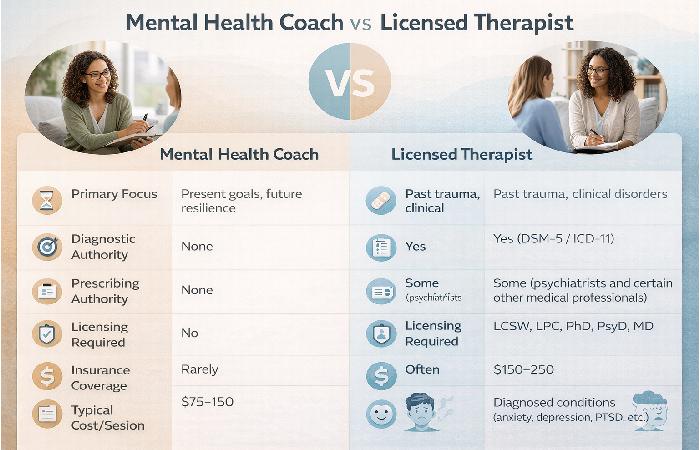
comparison between mental health coach and licensed therapist roles
Key differences in scope, cost, and responsibilities between coaching and therapy

This is the question the SERP is flooded with — and for good reason. Conflating the two roles can lead to real harm. Here is the actual difference.

Scope of Practice: Healing the Past vs. Optimizing the Future

Dimension Mental Health Coach Licensed Therapist
Primary focus Present goals, future resilience Past trauma, clinical disorders
Diagnostic authority None Yes (DSM-5 / ICD-11)
Prescribing authority None Some (psychiatrists and certain other medical professionals)
Licensing required No (state-specific) Yes — LCSW, LPC, PhD, PsyD, MD
Insurance coverage Rarely Often
Typical cost/session 75–150 150–250
Crisis intervention Not equipped Yes
Best for Sub-clinical stress, burnout, life transitions Diagnosed conditions (anxiety, depression, PTSD, etc.)

A mental health coach also sits in a different space from traditional life coaching. While many life coaches focus on goals, career, or performance, a mental health coach centers specifically on emotional wellbeing, stress management, and psychological resilience for people who are not seeking clinical treatment. This makes mental health coaching a bridge between therapeutic care and more general personal development work.

The Clinical Line: Diagnosis, Medication, and Crisis Intervention

A mental health coach cannot — and should not attempt to:

  • Diagnose any mental health condition (anxiety disorder, PTSD, depression)
  • Recommend, adjust, or discuss psychiatric medication
  • Provide crisis support or safety planning for suicidal ideation
  • Treat trauma using clinical modalities (EMDR, CBT administered therapeutically)

This isn’t just an ethical boundary. In many jurisdictions, providing psychotherapy without an appropriate license may be illegal and is widely considered unethical. The line is drawn precisely here: a coach supports wellness; a therapist treats illness.

Why Demand for Mental Health Coaches Is Exploding

The surge in coaching isn’t a trend. It’s a response to a supply-and-demand crisis in mental healthcare that isn’t going away.

The Global Access Gap

  • According to SAMHSA’s 2024 National Survey on Drug Use and Health, about 1 in 4 U.S. adults experienced any mental illness in the past year.
  • The CDC reports that 1 in 5 U.S. adults has been diagnosed with an anxiety disorder at some point.
  • The U.S. faces a severe shortage of licensed mental health providers, with nearly half of counties lacking a single psychiatrist (HRSA estimates).

The result: tens of millions of people who need support — but not necessarily clinical treatment — have nowhere practical to turn. Long waitlists, high out-of-pocket costs, and insurance barriers push them toward other options.

Mental health coaching fills a real gap for people who are sub-clinical but struggling: managing chronic work stress, navigating a difficult life transition, building coping skills after a difficult year, or simply trying to sustain their mental fitness the way they sustain their physical fitness.

What Does a Mental Health Coach Actually Do?

client planning habits and tracking goals with coach support
Coaches help clients build routines, manage stress, and track progress

A session with a mental health coach looks quite different from a therapy appointment. There’s no diagnostic intake, no treatment plan in the clinical sense. The work is goal-directed, skills-focused, and largely future-oriented.

Behavioral Activation and Goal Setting

One of the primary tools coaches use — borrowed from cognitive-behavioral research — is behavioral activation: identifying activities and behaviors that improve mood, energy, and motivation, then systematically building them into a client’s routine.

This is not therapy. It’s structured habit-building with professional support and accountability. A coach might help a client:

  • Identify the specific stressors driving their anxiety or low energy
  • Design a realistic weekly structure that protects recovery and rest time
  • Build a set of micro-habits (5-minute daily practices) for emotional regulation
  • Track mood and energy patterns to surface triggers and depletion cycles

Mindfulness, Resilience, and Stress Management Frameworks

Many mental health coaches are trained in evidence-informed frameworks, including:

  • Motivational Interviewing (MI): A collaborative conversation approach that strengthens a client’s own motivation to change, rather than prescribing what to do.
  • Mindfulness-Based Stress Reduction (MBSR): Attention-training practices that reduce the physiological and psychological impact of chronic stress.
  • Acceptance and Commitment Coaching (ACC): Helping clients clarify their values and act in alignment with them — even in the presence of difficult thoughts or feelings.

These are coaching adaptations of clinically-developed frameworks, used without clinical assessment or treatment intent. The distinction is meaningful.

Does Mental Health Coaching Actually Work?

This deserves an honest answer. The evidence base for mental health coaching is growing but less established than for licensed psychotherapy. That’s not a reason to dismiss coaching — it’s context for where it fits.

Evidence-Based Outcomes for Non-Clinical Populations

For sub-clinical populations — people experiencing stress, mild burnout, or general emotional difficulty without a formal diagnosis — coaching research shows meaningful improvements in:

  • Goal attainment and self-efficacy
  • Perceived stress and resilience
  • Emotional regulation and mood stability

Recent ICF survey data suggests that many coaches feel they need additional training to effectively support mental wellbeing — underscoring both the rapid growth of the field and the importance of credential verification before hiring.

For clinical conditions — diagnosed depression, anxiety disorders, PTSD, eating disorders — the evidence does not support coaching as a standalone intervention. These conditions require licensed professional treatment. A coach who positions themselves otherwise is operating outside their competency.

How to Choose a Mental Health Coach: Credentials and Red Flags

There is no universal licensing requirement for mental health coaches in the United States. That’s both a feature (lower barriers to access) and a risk (quality varies significantly). Here’s how to navigate it.

Understanding NBHWC vs. ICF Credentials

professional coaching certification and training concept
Verified credentials help ensure quality and ethical coaching practice

Two credentialing bodies set the standard most worth knowing:

Credential Issuing Body Focus Key Requirements
NBC-HWC National Board for Health & Wellness Coaching (NBHWC) Health behavior change, integrated with clinical care 75+ client hours, approved training, board exam
ICF-ACC International Coaching Federation General coaching (entry level) 60+ training hours, 100+ client hours
ICF-PCC International Coaching Federation Professional coaching 125+ training hours, 500+ client hours
ICF-MCC International Coaching Federation Master certified coaching 200+ training hours, 2,500+ client hours

The NBHWC credential is particularly relevant for mental health coaching because it requires integration with healthcare settings and explicit scope-of-practice training.

5 Red Flags Your Coach Is Overstepping

These aren’t edge cases. Watch for them:

  1. Diagnosing without a license — Any coach who tells you that you have depression, an anxiety disorder, or PTSD is practicing medicine without a license.
  2. Discouraging therapy or medication — A reputable coach works alongside clinical care, not against it.
  3. Promising clinical outcomes — “I’ll cure your anxiety” or “You won’t need your therapist after this” are disqualifying statements.
  4. No credentials or training disclosure — A professional will clearly state their training background and what they are not qualified to do.
  5. Taking on clients in active crisis — If you’re experiencing suicidal thoughts or severe psychiatric symptoms, a coach is not the appropriate first responder. In the U.S., call or text 988 (Suicide & Crisis Lifeline) or contact local emergency services.

How to Choose a Mental Health Coach: 5-Point Checklist

Before you commit, run through this quick checklist:

  • Verify credentials and training: Look for ICF or NBC-HWC certification, and ask about their training hours and supervision.

  • Confirm scope and referral plans: Ask what sits outside their scope and how they handle clients who need clinical care.

  • Assess fit in a consult: Use a free or low-cost intro session to see if their communication style and approach feel safe and effective for you.

  • Ask about methods and structure: Have them explain how sessions work, what frameworks they use, and how they measure progress.

  • Clarify pricing and logistics: Understand their fees, packages, session frequency, and cancellation policy before you start.

Cost and Accessibility: A Transparent Comparison

Mental health coaching is generally less expensive than licensed therapy — and for many people, that cost difference is the deciding factor.

Service Typical Cost Per Session Insurance Coverage Average Waitlist
Mental Health Coach 75–150 Rarely covered Low (often immediate)
Licensed Therapist (LCSW/LPC) 150–250 Often covered 4–12 weeks
Psychologist (PhD/PsyD) 200–350 Partially covered Weeks to months
Psychiatrist 300–575 (initial) Often covered Often months

Therapy cost ranges per Octave/TherapyRoute 2025 provider analysis. Coaching cost ranges reflect coaching directory market data.

The access advantage is real. For someone managing workplace burnout or a difficult life transition — without a clinical diagnosis — a mental health coach may offer timely, affordable support that simply isn’t accessible through the clinical system right now.

The Future: Hybrid Care and AI-Augmented Coaching

The most important shift in 2026 isn’t a new coaching technique. It’s the emergence of hybrid care models in which coaches work alongside licensed therapists within coordinated care frameworks.

In these models:

  • therapist handles clinical diagnosis, trauma processing, and crisis intervention
  • coach provides between-session accountability, goal-setting work, and skill reinforcement
  • Both professionals communicate and align on the client’s overall care plan

Major employers and digital health platforms are integrating this structure to address the mental health access gap at scale. Understanding where coaching ends and clinical care begins becomes more — not less — important as integration increases.

Common Mistakes to Avoid When Choosing a Mental Health Coach

  1. Choosing based on social media presence alone. A large Instagram following is not a credential.
  2. Using coaching to avoid clinical treatment. If a licensed professional has recommended therapy or medication, coaching is not a substitute — it may be a complement, but only with your provider’s knowledge.
  3. Skipping the credential check. Ask directly: “What credentials do you hold? What certifying body issued them? What are you not qualified to help with?” A good coach welcomes these questions.
  4. Expecting crisis support. Coaches are not crisis counselors. For urgent needs, contact 988 or go to an emergency room.

Who a Mental Health Coach Is — and Isn’t — For

A mental health coach is a strong fit if you:

  • Are experiencing sub-clinical stress, burnout, or emotional fatigue without a formal diagnosis
  • Want accountability and structure around building emotional resilience habits
  • Are already in therapy and want between-session support and skill practice
  • Are navigating a life transition (divorce, career change, loss) without acute psychiatric symptoms
  • Prefer a goal-directed, action-oriented approach to mental wellbeing

See a licensed therapist or psychiatrist instead if you:

  • Have a diagnosed mental health condition (depression, anxiety disorder, PTSD, OCD, bipolar disorder)
  • Are experiencing symptoms that significantly impair daily functioning
  • Have a history of trauma that needs clinical processing
  • Are currently in psychiatric crisis or having thoughts of self-harm
  • Have been advised by a healthcare provider to seek clinical mental health treatment

Final Verdict: Where Mental Health Coaching Fits

The mental health system has long operated in binary terms: either you’re “well enough” to need nothing, or “sick enough” to need a clinician. That binary leaves millions of people in the middle — struggling, but not in crisis; needing support, but not needing treatment.

mental health coach serves that middle. When chosen carefully — with verified credentials, clear scope limits, and appropriate referral pathways — coaching is a legitimate and valuable part of the broader mental wellness ecosystem.

It is not therapy. It does not replace clinical care. But for the right person at the right moment, it may be exactly what moves the needle.

Frequently Asked Questions

Q: Can a mental health coach diagnose anxiety or depression?

A: No. Mental health coaches are not licensed clinicians and cannot diagnose any mental health condition. Diagnosis requires a licensed professional — psychologist, psychiatrist, or licensed therapist. A coach who suggests you have a specific disorder is overstepping their scope of practice.

Q: What is the difference between a life coach and a mental health coach?

A: The terms overlap significantly. A life coach typically focuses on goals, performance, and life direction; a mental health coach specifically focuses on emotional wellbeing, stress management, and psychological resilience. Neither can diagnose or treat clinical conditions. Mental health coaches typically have more specialized training in wellness frameworks such as mindfulness-based approaches and motivational interviewing.

Q: Is mental health coaching covered by insurance?

A: In most cases, no. Unlike licensed therapy, coaching is generally not reimbursable under standard health insurance plans. Some employers offer coaching through EAP (Employee Assistance Programs) or corporate wellness benefits. Always verify coverage before starting.

Q: How much does a mental health coach cost per session?

A: Most mental health coaches in the United States charge between 75 and 150 per session. Package pricing often reduces the per-session rate. This is generally lower than licensed therapists (often 150–250 per session), though insurance may significantly offset therapy costs if you have coverage.

Q: Does a mental health coach need a degree or license?

A: No state license is legally required in most U.S. jurisdictions. However, reputable coaches hold credentials from recognized bodies such as the ICF (International Coaching Federation) or NBHWC (National Board for Health & Wellness Coaching). Always ask for credentials and verify them before committing to work with a coach.

Q: Can a mental health coach work with someone who has PTSD?

A: With significant caution. PTSD is a clinical diagnosis that typically requires trauma-focused therapy — such as EMDR or Trauma-Focused CBT — delivered by a licensed clinician. A coach should not attempt trauma processing. A coach might support between-session skill work alongside a therapist treating PTSD, but only with appropriate clinical oversight in place.

Top 7 Immune-Boosting Smoothie Recipes

0

Feeling like flu is catching up with you? Is the immune system in need of a reboot? You’ve come to the right place! We’ve pulled together a collection of 7 of the most immune-boosting smoothies around.

And the best thing? There’s no need for the endless crunching of carrots or grazing on greens – these smoothies are packed with immune-boosting nutrients you can quickly and conveniently absorb in a delicious drink!

How do smoothies help to boost our immune system?

It depends on what they’re made of! The best smoothies to boost the immune system are low in sugar and packed with fresh fruits and veggies.

Some of the best immunity-boosting ingredients are dark leafy greens, berries, citrus fruits, and root veggies, all of which feature in Little West’s amazing Immunity Boosting Juice Kit. These are rich in antioxidants and vitamins A, C, E which help to supercharge your immune system and keep you feeling happy and healthy.

Plus, unlike juices, smoothies contain fiber! Fiber is great for our gut health and a healthy gut microbiome is essential for a strong immune system.

1.  Brilliant Berry Smoothie –

Immune-Boosting

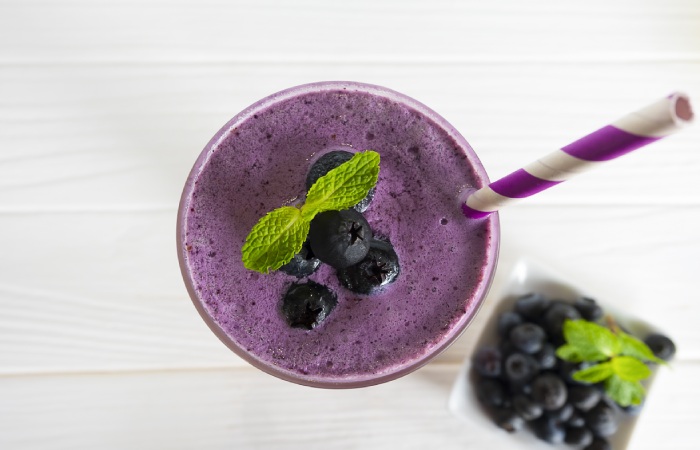
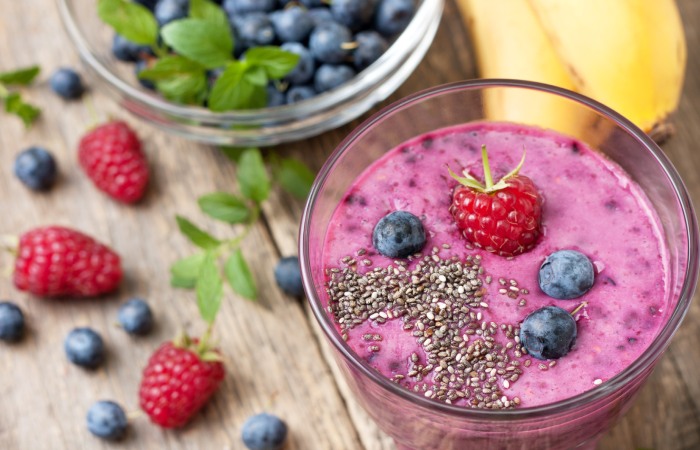
Berries (especially blueberries, blackberries and raspberries) are bursting with antioxidants, fiber, and other essential minerals. Studies show they may help to reduce inflammation, boost immunity and improve skin health. This immune-boosting smoothie is packed with berry goodness, banana, almond milk, and chia seeds for extra protein.

Ingredients

  • 1 cup frozen blueberries
  • 1 cup frozen berries of your choice – raspberries, strawberries, blackberries, or a mix
  • 1 tbsp chia seeds
  • 1 banana, chopped
  • ½ cup unsweetened almond milk

Method

  • If you’re using fresh berries, freeze them the night before you plan to make the smoothie.
  • You can also soak the chia seeds in almond milk or water if you prefer a softer texture.
  • Place all ingredients and blend in the blender until the smoothie is thick, smooth, and pourable.
  • Sweeten to taste with agave nectar.
  • Enjoy some immune-boosting goodness!

2.  Get Up & Go Green Smoothie –

Immune-Boosting

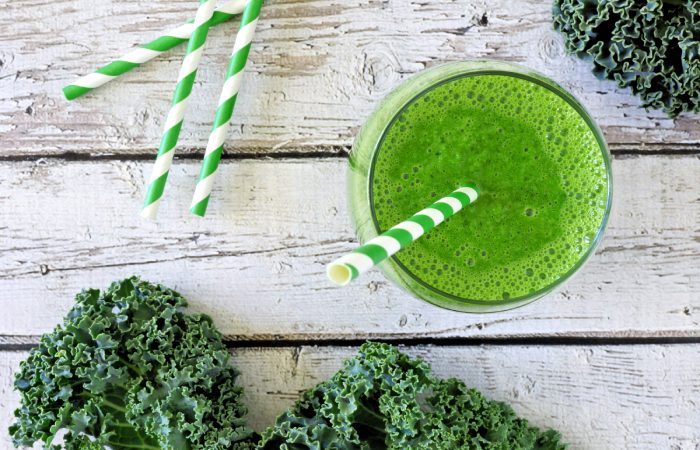
Inspired by Little West’s gorgeous green juice The Clover, the GetUp & Go Green Smoothie is packed with leafy greens, raw veggies, and lime. If you’re looking for smoothies to boost your immune system and an easy way to up those daily veggie portions, this one is for you.

Leafy greens like kale and spinach are huge sources of immune-boosting vitamins such as A, E, K, and B6 and minerals like iron, magnesium, and calcium. Don’t like eating your greens? Just drink ‘em instead!

Ingredients

  • ½ cup kale, washed and chopped, fibrous stalks removed
  • ½ cup spinach, washed and chopped
  • ½ cup celery, chopped
  • 1 pear, chopped
  • ½ cup coconut water
  • Juice of 1 lime

Method

  • Place all ingredients and blend in the blender for 3-5 minutes, until the consistency is smooth and drinkable. Add more coconut water if needed.
  • Enjoy some lean, clean, green goodness!

3.  Citrus, Ginger & Turmeric Cold-Busting Smoothie –

Immune-Boosting

If you start to feel a stuffy nose coming on or just want to make sure your body is primed to face germs and viruses, this is the immune-boosting smoothie for you. Inspired by this supercharged Sunrise Juice, it’s packed with the finest natural cold-busting ingredients.

Turmeric and Ginger been used in traditional medicine for their renowned antibacterial, antioxidant and anti-inflammatory qualities. Carrots are packed with vitamin A and add some sweetness, while citrus fruits add some delicious zing, as well as a whole lot of immune-boosting vitamin C.

Finally, it’s finished off with some hydrating coconut water and a pinch of black pepper to increase the bioavailability of all those amazing antioxidants.

Ingredients

  • 2 cups peeled citrus fruits of your choice
  • 1 raw carrot, peeled & chopped
  • ½ “ piece of ginger, peeled & chopped
  • ½ cup coconut water
  • ½ tsp ground turmeric
  • Pinch of black pepper
  • 1 cup ice

Method

  • Place all the ingredients in the blender and blend until smooth.
  • Savor each zesty, spicy sip and feel recharged and replenished!

4.  Amazing Antioxidant Smoothie –

Amazing Antioxidant Smoothie

Antioxidants are plant compounds that can help to fight free radicals in our body,  reducing oxidative stress, protecting our cells, and warding off certain diseases. This immune-boosting smoothie combines fresh ingredients that are naturally packed with beneficial antioxidants.

Almonds and kale provide vitamin E, blueberries and grapes provide anthocyanins (the compound that gives the fruits their vibrant purple color) and carrots are a great source of vitamin A and beta-carotene. That’s a whole lot of immune-boosting nourishment in one delicious smoothie!

Ingredients

  • 1 cup almond milk
  • 1 cup kale, washed & chopped, fibrous stalks removed
  • ½ cup purple grapes
  • ½ cup frozen blueberries
  • ½ cup raw carrot, peeled & chopped

Method

  • Place all the ingredients in the blender and blend until smooth.
  • Enjoy a fresh and filling smoothie and absorb all that antioxidant goodness!

5.  Magic Mango Smoothie –

Magic Mango Smoothie

Tropical, sweet, and juicy, mango is one of the most delicious fruits around. But did you know that it’s also a  great source of folate, vitamin C and A, protective antioxidants, and beta-carotene?

This immune-boosting smoothie is bursting with mango magic as well as those delicious herbal healers: ginger, turmeric, and cinnamon. Throw some carrots, banana, and orange juice in and you’ve got yourself an immune-boosting breakfast smoothie that’s bursting with essential nutrients.

Ingredients

  • ½ cup frozen mango pieces
  • 1 large carrot, peeled & chopped
  • ½ banana, peeled & chopped (can be fresh or frozen)
  • ¾ cup freshly squeezed orange juice
  • 1 tsp ground ginger
  • ½ tsp ground turmeric
  • ½ tsp ground cinnamon

Method

  • Combine all ingredients in a blender and blend on high until smooth. Add more orange juice if needed.
  • Enjoy an immune-boosting breakfast of sunshiney goodness!

6.  Beautiful Beet Smoothie –

Beautiful Beet Smoothie

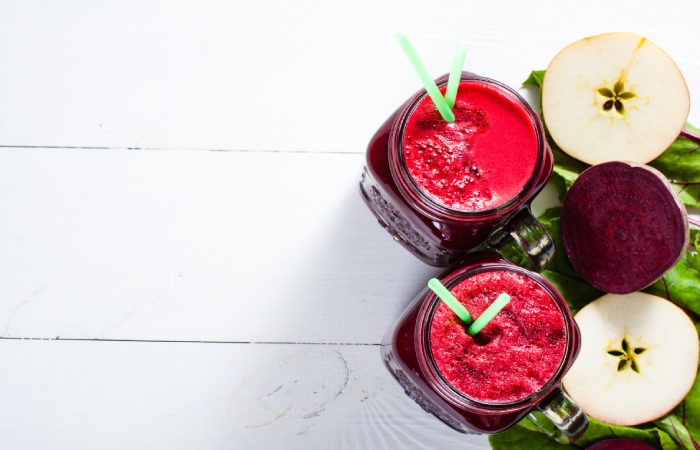
Taking a cue from Little West’s beet-tastic Go Big Juice, this smoothie is made with plenty of beautiful beets, as well as apples, blueberries, ginger, and kale. It has a sweet, earthy flavor, with just the right level of gingery kick!

Rich in antioxidants, fiber, and anti-inflammatory compounds, studies show that beets help to support better blood flow, reduce inflammation, and promote detoxification.

Ingredients

  • 1 cup raw beets, peeled & chopped
  • ½ apple, chopped
  • ½ cup frozen blueberries
  • ½ cup kale, peeled & chopped, fibrous stalks removed
  • ½ “ piece of ginger, peeled & grated
  • ½ cup water or coconut water

Method

  • Place all ingredients in a blender and blend at a high speed until smooth and pourable. You can add more liquid if needed.
  • Enjoy a bright and beautiful immune-boosting smoothie!
  • Note that this delicious smoothie may cause your urine to turn pink or red. This is completely normal and nothing to worry about!

7.  Dreamy Detox Smoothie –

Dreamy Detox Smoothie

Greens, greens, wonderful greens! Packed with super-green goodness, this is a smoothie to boost your immune system, flush out toxins and make you feel hydrated and replenished. And don’t worry if you don’t like eating your greens – this immune-boosting smoothie delivers 2 tasty portions in a refreshing, citrusy smoothie!

Ingredients

  • 2 cups baby spinach
  • 2 cups greens of your choice – kale, chard, parsley, etc.
  • 2 sticks celery, chopped
  • ½ cup green apple, chopped
  • 1 cup frozen sliced banana
  • 1 tbsp fresh ginger, peeled & grated
  • ½ cup fresh lemon juice
  • ½ cup coconut water
  • 1 tsp spirulina powder (optional)

Method

  • Place all ingredients in a blender and blend on high until smooth.
  • Sweeten with your preferred liquid sweetener if needed
  • Enjoy some clean, green nutrition!

To wrap up…

Smoothies are a fantastic and convenient way to up your fruit and veggie intake, get more essential nutrients and boost your immunity while you’re at it. These immune-boosting smoothies are packed with plant-powered ingredients that have been carefully selected for their healing, protecting, and detoxifying powers.

Be sure to check out Little West’s collection of Immunity Boosting Juicesfor even more delicious immune defense drink options!

Vaping 101: Which Vape Juice Ingredients to Avoid

0

Vaping is increasingly on the rise, especially with more people learning the benefits of cannabis. More people are now vaping cannabis as an alternative to smoking. Certainly, vaping is safer than smoking, but it also carries potential risks.

One of the leading causes of risks associated with vaping is the type of ingredients used in vape juice. Some vape juice manufacturers use chemicals that could be harmful to the body. Consequently, when buying vape juice, you should check the ingredients to ensure that they are safe.

If you are looking for the best vape juice in 2021, you should know the best ingredients to help you make an informed choice. But how do you know the best or the worst ingredients? It isn’t easy if you are not so vast in chemistry. But you don’t need any knowledge in chemistry because we have a list of the ingredients you need to avoid.

Key Ingredients in Vape Juice

Every vape juice contains Propylene Glycol (PG), Vegetable Glycerin (VG) or both. These ingredients give the vape juice its smooth flavor, but they are mixed with other ingredients, including natural or artificial flavors, to give the user a unique, satisfying experience.

Both PG and VG are safe for human consumption and are common additives in food products and medicines. The best vape juice combines PG and VG even though each can be used independently. VG is too viscous, which makes it unsuitable for vaping, while PG is too light.

While PG and VG are safe, they may cause allergic reactions in some individuals. But apart from allergies, there is nothing of concern with PG and VG.  So, what ingredients should you avoid in your vape juice?

Vape Juice Ingredients to Avoid

1.    Diketones

When you taste your e-juice and notice that it has a creamy, buttery flavor, you are probably tasting diketones. This chemical is used in many food products to add flavor, but you will find it indicated on the label. The law does not require manufacturers to indicate on the label if the e-juice contains diketones like in food products. That’s why you will not see it on the label.

Diketones

The other problem with diketone is that even if it’s indicated on the label, you will hardly notice. Diketones refers to a group of chemicals rather than one. This group comprises diacetyl, acetoin, and acetyl propionyl. Some manufacturers will indicate these chemicals, but many consumers do not know that they are diketones.

Long-term inhalation of diketones could be dangerous to your health. Diketones are associated with severe respiratory infections. Diacetyl is potentially the most dangerous diketones, and you should avoid vape juices that have it as an ingredient.

2.    Cinnamon

Coumarin, the main chemical in cinnamon, could cause liver problems. This must be a surprise because you wonder why people use cinnamon as a spice if it’s dangerous. Well, cinnamon has significant health benefits, but the same chemical that gives it those benefits could be dangerous if taken in large amounts.

You probably don’t eat cinnamon in your food every day, and the amount in food is too little to cause any problems. But if you vape daily, then using e-juices with cinnamon could put your health at risk.

3.    Vanillin

The vanilla flavor is common in e-juices. To acquire that vanilla flavor, manufacturers use vanillin, a flavoring chemical that is toxic if inhaled. Natural vanilla extract is rare and expensive, so manufacturers turn to synthetic vanillin.

Research shows that vanillin can cause cell death and lead to heart disease. Even when used in low levels, it can cause oxidative stress and trigger inflammatory marker interleukin-6. If the vape juice contains vanillin, it could cause damage to your heart over time.

4.    Menthol

Menthol

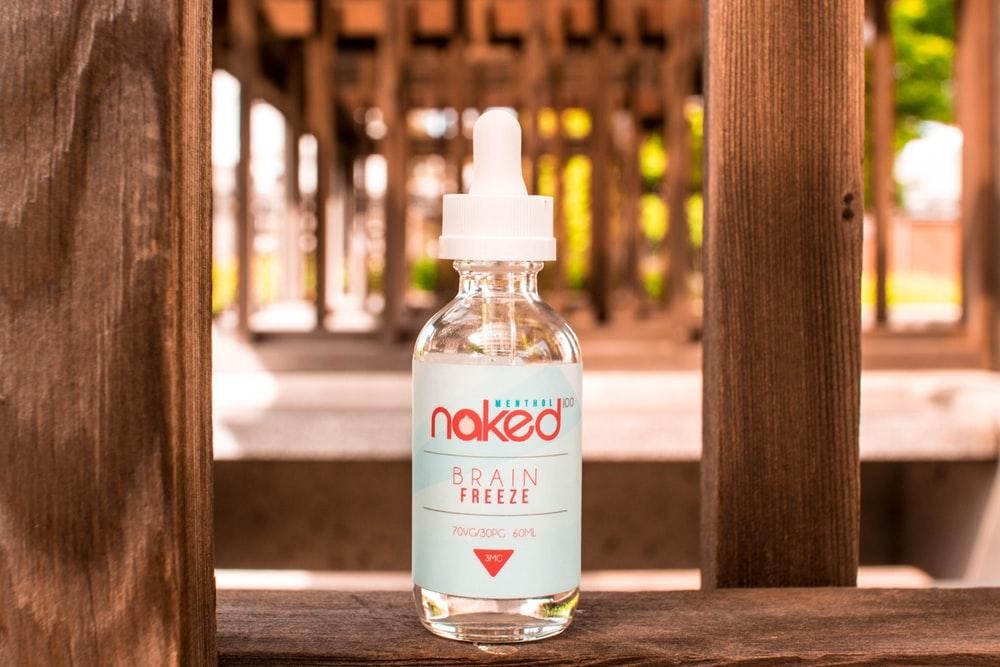
This is a shocking one because menthol is one of the most common flavors in vape juices. And vapers also like the cooling effect it offers, especially during long vaping sessions. But that soothing feel it gives could camouflage a deadly chemical.

Menthol is potentially toxic to epithelial cells. If you vape menthol-flavored e-juice for an extended period, it could increase cell death risk, especially bronchial cells.

5.    Dimethyl Pyrazine

You probably have never heard about dimethyl pyrazine, but you certainly know the strawberry flavor. Shockingly, the chemical dimethyl pyrazine used to acquire the strawberry flavor can harm your heart cells. Pyrazine derivatives could also cause irritations of the upper respiratory tract.

You may not cause any harm to your body if you use these flavors occasionally. However, regular use could cause small damages that may manifest into serious health issues over time.

Conclusion

Most of the flavorings used in e-juices are widely used in the food industry. Some of these chemicals may not present safety concerns when ingested but could be dangerous if inhaled.

Consumers just know their favorite flavor but never check the ingredients that give these flavors. The next time you buy vape juice, check the label to ensure the ingredients are safe.

Heart Health in Middle Age: Prevention Guide (2026)

0

Middle age brings a hidden metabolic shift. Your body’s insulin response slows. Blood vessels lose elasticity. Risk factors like diabetes and hypertension emerge—often without symptoms.

Here’s what most people miss: your 40s and 50s represent the last easy intervention window. Small changes now can prevent or reverse early arterial damage. Wait until your 60s, and you’re fighting uphill—the same interventions work, but much slower.

This guide cuts through generic “eat healthy, exercise more” advice. You’ll learn the specific cardiovascular changes happening in your body, the five major risk factors to monitor, and a concrete 4-week plan that builds sustainable heart-protective habits.

Who this is for: Adults 40-59 seeking evidence-based prevention strategies—especially those with family history of heart disease or emerging risk factors like borderline blood pressure or pre-diabetes.

Table of Contents

Quick Summary

  • What changes? → Metabolism slows, arteries stiffen, insulin resistance rises—cardiovascular risk doubles between 40-60
  • Why middle age matters? → Last decade where lifestyle changes easily reverse early damage; after 60, interventions work slower
  • Top risk factors? → Type 2 diabetes, hypertension, high cholesterol, weight gain, chronic stress
  • Most effective prevention? → 150 min/week moderate exercise + DASH diet + stress management + 7-8 hours sleep
  • When to see a specialist? → Family history of heart attack before 65, or 2+ risk factors present

Why Heart Health Changes in Middle Age

Heart health in middle age marks a critical physiological transition. Between 40-60, your cardiovascular system undergoes metabolic and structural changes that significantly elevate disease risk—even when you feel perfectly healthy.

Here’s the insight that matters: according to the National Institute on Aging, interventions that slow aging effects in the heart and arteries during middle age can prevent or delay cardiovascular disease onset later in life. The window is open. But it won’t stay open forever.

The Metabolic Shift at 40

Your metabolism slows by roughly 5% per decade after 40. This isn’t just about weight—it’s about how your body processes glucose, stores fat, and responds to insulin.

What happens:
Insulin sensitivity drops 10-15%. Visceral fat accumulates more easily around your organs. Blood sugar regulation becomes less efficient.

This creates a cascade. More abdominal fat leads to higher insulin resistance. That drives increased diabetes risk. Which elevates cardiovascular disease risk.

The numbers back this up. More than 38 million Americans have diabetes, and 95% have Type 2 diabetes, which most often develops after 45—according to the Centers for Disease Control and Prevention.

How Arterial Elasticity Declines

Blood vessels naturally stiffen with age, but sedentary lifestyles accelerate the process.

Research cited by the American Heart Association shows that regular exercise in middle age can improve blood vessel elasticity and reduce cardiovascular disease risk. The mechanism: consistent physical activity stimulates nitric oxide production, which keeps arterial walls flexible.

Without intervention, stiff arteries force your heart to work harder. That raises blood pressure. And strains cardiac muscle.

The Critical Intervention Window

Most people don’t realize reversing arterial stiffness and metabolic dysfunction is significantly easier in your 40s and 50s than later.

Why? Your cells still respond robustly to lifestyle signals. Mitochondrial function—your cells’ energy factories—remains adaptable. After 60, these systems become more resistant to change as cellular adaptability declines.

That’s why prevention timing matters—especially if heart disease runs in your family.

The formula: If a parent or sibling had a heart attack before age 65, start intensive prevention measures 15 years before that age. Parent had one at 55? Begin aggressive screening and lifestyle modifications at 40.

Top 5 Risk Factors in Your 40s and 50s

These five factors account for the majority of middle-age cardiovascular disease. The good news: all are modifiable.

Type 2 Diabetes and Insulin Resistance

Why it matters in middle age: Insulin resistance often develops silently throughout your 40s, progressing to full Type 2 diabetes by your 50s.

What to monitor:

  • Fasting blood glucose (ideal: <100 mg/dL)
  • HbA1c levels (ideal: <5.7%)
  • Waist circumference (men: <40 inches; women: <35 inches)

Action step: Request HbA1c testing even if fasting glucose looks normal. It reveals 3-month average blood sugar and catches early dysfunction.

High Blood Pressure (Hypertension)

The silent shift: Blood pressure naturally rises with age due to arterial stiffening, but middle age is when it often crosses into dangerous territory (≥130/80 mmHg).

Why it accelerates:

  • Salt sensitivity increases with age
  • Arterial elasticity declines
  • Stress compounds the effect

Action step: Home blood pressure monitoring 2-3 times per week. Look for trends, not single readings.

Cholesterol Changes and LDL Buildup

Your liver’s ability to clear LDL cholesterol declines in middle age, leading to gradual arterial plaque accumulation.

Key numbers to track:

  • LDL cholesterol (ideal: <100 mg/dL)
  • HDL cholesterol (ideal: >40 mg/dL men, >50 mg/dL women)
  • Triglycerides (ideal: <150 mg/dL)

The mechanism: LDL particles oxidize and embed in arterial walls, triggering inflammation and plaque formation. This process accelerates after 40.

Weight Gain and Abdominal Fat

Middle-age weight gain isn’t just cosmetic—it’s metabolically dangerous.

Average pattern: Adults gain 1-2 pounds annually from 40-60, primarily as visceral fat around organs. This fat is metabolically active, releasing inflammatory compounds that damage blood vessels.

Critical threshold: Waist circumference matters more than BMI. Abdominal obesity (>40 inches men, >35 inches women) strongly predicts cardiovascular events.

Chronic Stress and Cortisol

Chronic stress keeps cortisol elevated, which:

  • Raises blood pressure
  • Increases blood sugar
  • Promotes abdominal fat storage
  • Disrupts sleep quality

The American Heart Association identifies stress as an overarching risk factor influencing all other cardiovascular risks.

Your Middle-Age Heart Health Screening Checklist

Test Who It’s For Starting Age How Often to Discuss With Your Doctor
Blood pressure All adults 18+ At least once a year; more often if elevated
Fasting lipid panel All adults 20 (baseline), then 30+ Every 1–2 years; more often if elevated or high risk
Fasting blood glucose / HbA1c Adults 35–40+, especially if overweight or with family history 35–40 Every 1–3 years, based on results and risk
BMI and waist circumference All adults Ongoing At routine check‑ups
Coronary Artery Calcium (CAC) scan Adults with intermediate risk or strong family history 40–55 Only if recommended by your doctor
Cardiac stress test Adults with symptoms or high risk As indicated Only under physician supervision

These are general patterns; your doctor may adjust starting age and frequency based on your personal and family history.

Gender-Specific Considerations

Women: Menopause and Cardiovascular Risk

Menopause doesn’t directly cause heart disease, but hormonal changes during perimenopause (typically 45-55) significantly affect cardiovascular risk.

What happens:

  • Estrogen decline reduces vascular protection
  • LDL cholesterol tends to rise
  • Visceral fat increases
  • Blood pressure often climbs

According to the American Heart Association, risk factors commonly emerge around menopause, making this a critical time for preventive screening.

Action: Start annual cardiovascular risk assessments at age 45 or when perimenopausal symptoms begin.

Men: Testosterone Decline and Heart Health

Men experience gradual testosterone decline (1-2% annually after 40), which correlates with:

  • Increased abdominal fat
  • Reduced muscle mass
  • Higher inflammation markers
  • Potential impact on cholesterol ratios

While testosterone replacement remains controversial, lifestyle interventions that support healthy testosterone (resistance training, adequate sleep, stress management) clearly benefit heart health.

Evidence-Based Prevention Strategies

Physical Activity: What Actually Works

The standard: At least 150 minutes of moderate-intensity aerobic activity per week, or 75 minutes of vigorous activity.

But here’s the piece most guidance leaves out: resistance training becomes equally important as cardio in middle age.

Why? Muscle mass naturally declines 3-8% per decade after 30. Less muscle means slower metabolism, which means worse glucose control. Lifting weights isn’t vanity—it’s metabolic insurance.

Optimal weekly plan:

  • 150 minutes moderate cardio (brisk walking, cycling, swimming)
  • 2-3 resistance sessions (all major muscle groups)
  • Daily movement breaks (avoid 8+ consecutive hours sitting)

One caution: If you’ve been sedentary for years, get baseline cardiovascular screening before diving into vigorous exercise. Weekend warrior patterns—cramming intense activity into 1-2 days—can stress an unconditioned heart.

Research shows this combination improves blood vessel elasticity and substantially reduces cardiovascular disease risk—studies suggest reductions of 25-40% with consistent adherence.

Heart-Healthy Eating Patterns

Forget generic “eat healthy” advice. Here’s what evidence specifically supports for middle-age heart health.

DASH Diet principles (clinically proven to lower blood pressure):

• Vegetables: 4-5 servings daily
• Fruit: 4-5 servings daily
• Low-fat dairy: 2-3 servings
• Whole grains: 6 servings
• Lean protein: Fish 2x/week minimum
• Sodium limit: <2,300 mg daily (ideally <1,500 mg)

The mechanism: high potassium, magnesium, and fiber intake improves vascular function and reduces arterial inflammation.

One practical swap: Replace saturated fat sources (red meat, butter) with unsaturated fats (olive oil, avocados, nuts). This single change can lower LDL cholesterol by 5-10%.

That’s not dramatic. But it’s sustainable. And sustainability wins over perfection every time.

Sleep Quality and Heart Health

Sleep duration and quality directly impact cardiovascular risk—a relationship that strengthens in middle age.

The pattern: Consistently sleeping fewer than 7 hours correlates with increased cardiovascular mortality risk, higher blood pressure, worse glucose control, and elevated inflammation.

The mechanism: During deep sleep, your blood pressure naturally drops 10-20%. This “nocturnal dipping” gives your cardiovascular system crucial recovery time. Chronic sleep deprivation eliminates this protective effect.

Sleep apnea—which becomes more common after 40—disrupts this mechanism entirely. If you snore loudly or wake feeling unrested despite 7-8 hours in bed, screening is worth pursuing.

Bottom line: Prioritize 7-8 hours of quality sleep as a non-negotiable heart health strategy. If you’re waking at 5 AM to exercise but only sleeping 6 hours, you’re creating more cardiovascular stress than benefit.

Stress Reduction Techniques

Chronic stress activates your sympathetic nervous system continuously, keeping heart rate and blood pressure elevated.

Evidence-backed approaches:

  • Mindfulness meditation (10-20 minutes daily): Measurably lowers cortisol and blood pressure
  • Regular social connection: Strong social ties significantly reduce cardiovascular mortality risk
  • Time in nature: Just 20 minutes in green spaces lowers stress hormones
  • Therapy or counseling: Addresses root causes, not just symptoms

Integration tip: Stack stress reduction with existing habits. Morning coffee + 10-minute meditation. Evening walk + phone call with a friend.

Small, consistent practices beat occasional intense interventions.

When to See a Preventive Cardiologist

Not everyone needs specialist care. But certain profiles benefit significantly from early intervention. Seek out practitioners with ACLS certification who can advise on how often you should be monitored or screened based on your personal risk profile.

See a preventive cardiologist if:

  • Family history: Any family member had heart attack or stroke before age 65
  • Multiple risk factors: 2+ of these present—diabetes, hypertension, high cholesterol, obesity
  • Genetic concerns: Family history of familial hypercholesterolemia or early cardiac death
  • Unexplained symptoms: Chest discomfort, unusual fatigue, shortness of breath during normal activity
  • High-stress occupation: Chronic work stress combined with poor sleep

Advanced screening options: If you’re in the gray zone, consider requesting a coronary artery calcium (CAC) score or carotid ultrasound through your primary care doctor. These non-invasive tests reveal arterial plaque buildup before symptoms appear and help clarify whether specialist care is needed.

Your Situation Recommended Action
Family history + 2+ risk factors See preventive cardiologist
1-2 risk factors + abnormal labs Consult primary care, consider advanced screening
No family history + normal screening Continue self-management + annual checkups

Self-management likely sufficient if:

  • No family history
  • Normal blood work (glucose, lipids, blood pressure)
  • Physically active
  • Healthy weight
  • One or zero risk factors

Heart Attack Symptoms You Should Never Ignore

Both men and women can experience these warning signs during a cardiac event:

  • Chest pain or pressure — often described as tightening, squeezing, or heaviness, not always sharp pain
  • Pain that spreads to the arm, jaw, neck, back, or upper stomach
  • Sudden shortness of breath — with or without chest discomfort
  • Cold sweat unexplained by exertion or environment
  • Nausea or vomiting without obvious cause
  • Lightheadedness or sudden dizziness

If you experience any combination of these symptoms, call emergency services immediately. Do not drive yourself.

Regular checkup appointments also help providers identify reversible causes of cardiac arrest before it occurs — conditions commonly grouped under the mnemonic H’s and T’s.

Atypical Symptoms More Common in Women

Women — particularly those aged 45–65 — are significantly more likely to experience atypical cardiac symptoms that are frequently attributed to anxiety, indigestion, or menopause. This diagnostic gap contributes to worse cardiac outcomes for women compared to men.

Symptoms often missed or dismissed in women:

  • Unusual, extreme fatigue — not related to exertion, sometimes present weeks before a cardiac event
  • Upper back pressure — sometimes described as feeling like a rope tightening across the back
  • Jaw or tooth pain without dental cause
  • Sleep disturbance in the weeks preceding a heart attack
  • Indigestion or stomach pressure that doesn’t resolve with antacids
  • A vague sense of “something being wrong” — often reported in retrospect by women who survived heart attacks

Common Mistakes to Avoid

Mistake 1: Trusting “normal” basic blood work

Standard panels miss early insulin resistance and arterial inflammation. Request HbA1c, hs-CRP (inflammation marker), and lipid particle size analysis.

Mistake 2: Weekend warrior exercise patterns after 40

Cramming all weekly activity into 1-2 days stresses an unconditioned cardiovascular system. Distribute activity across 4-5 days minimum.

Mistake 3: Focusing only on cholesterol numbers

LDL particle size and count matter more than total LDL number. Small, dense LDL particles are more atherogenic (plaque-forming).

Mistake 4: Ignoring sleep in favor of early morning workouts

If you’re sleeping fewer than 7 hours to exercise at 5 AM, you’re creating more cardiovascular stress than benefit. Sleep must come first.

Mistake 5: Assuming menopause is “just hormones”

For women, menopause marks the most dramatic cardiovascular risk shift of middle age. It demands proactive monitoring, not passive acceptance.

Mistake 6: Assuming no symptoms = no problem

Most heart attacks occur in people who felt “fine” before the event. Subclinical disease is common in middle age, which is why screening matters even when you feel well.

Mistake 7: Stopping medications when numbers improve

Blood pressure and cholesterol medications often work precisely because you’re taking them. Stopping without medical guidance can quickly erase gains and increase risk.

Mistake 8: Ignoring family history

If a parent or sibling had a heart attack before 55 (men) or 65 (women), your risk is higher. You need earlier and more aggressive monitoring than standard guidelines.

4-Week Heart Health Starter Plan

4 week plan to improve heart health
A simple step-by-step plan to improve heart health

This progressive plan builds sustainable habits without overwhelming your schedule.

Week 1: Baseline & Awareness

  • Schedule blood work (lipid panel, HbA1c, blood pressure check)
  • Track current activity level (use phone’s step counter)
  • Log meals for 3 days to identify patterns
  • Measure waist circumference

Week 2: Movement Foundation

  • Add 20-minute daily walk (any pace)
  • Practice 10 minutes of stress reduction (meditation, breathing exercises, stretching)
  • Implement one dietary swap (whole grains for refined carbs, for example)

Week 3: Intensity & Structure

  • Increase walk to 30 minutes, add 2 days of brisk pace
  • Begin basic resistance exercises (bodyweight or light weights) 2x/week
  • Reduce sodium intake (avoid processed foods, cook at home 4+ days)
  • Establish consistent sleep schedule (same bedtime/wake time)

Week 4: Integration & Momentum

  • Hit 150 minutes total weekly activity (walking, cycling, swimming)
  • Maintain 2-3 resistance training sessions
  • Add second dietary improvement (increase vegetables, add fatty fish)
  • Review baseline blood work results with doctor
  • Set 90-day goals based on results

Success metrics: After 4 weeks, you should see:

  • 5-10% increase in daily steps
  • 2-3 lb weight loss (if overweight)
  • Improved sleep quality (subjective)
  • Established routine you can maintain

Who This Is For / Who Should Customize

Best for:

  • Adults 40-59 with no current cardiovascular disease
  • Those with family history of heart disease
  • People with 1-2 emerging risk factors (pre-diabetes, borderline blood pressure)
  • Anyone seeking evidence-based prevention before symptoms appear

Needs modification if:

  • Existing heart disease diagnosis (follow cardiologist guidance)
  • Recent cardiac event (requires supervised rehabilitation)
  • Severe obesity or multiple risk factors (need medical supervision for exercise progression)
  • Taking blood pressure or diabetes medications (coordinate dietary changes with doctor)

If You Only Have 10 Minutes Daily

Start with these three non-negotiables:

  1. Walk 10 minutes (any pace, outdoors preferred)
  2. Track sodium intake (read labels, avoid one processed food category)
  3. Sleep 7+ hours (protect this like an important meeting)

Do these three consistently for 30 days. Then expand to the full plan.

Final Verdict

Middle age isn’t when your heart health inevitably declines—it’s when small, strategic interventions deliver outsized long-term benefits.

The difference between thriving cardiovascular health at 70 and struggling with disease often comes down to choices made in your 40s and 50s.

Start with three actions this week:

  1. Schedule comprehensive blood work (lipid panel + HbA1c)
  2. Add 20 minutes of daily walking
  3. Reduce sodium intake by avoiding one processed food category

Your heart in your 70s will thank your 40-something self.

Frequently Asked Questions

Q1: What age is considered middle age for heart health?

A1: Middle age for heart health spans 40–60 years — the critical window where cardiovascular risk doubles. Metabolic changes accelerate, arteries begin stiffening, and risk factors like hypertension and type 2 diabetes emerge, often without symptoms. The National Institute on Aging confirms lifestyle interventions during this period can prevent or delay cardiovascular disease onset later in life.

Q2: What are the first signs of heart problems in your 40s?

A2: Early heart problems in your 40s often produce no obvious symptoms. Warning signs include unusual fatigue, shortness of breath climbing stairs, and chest discomfort during exertion. Women are more likely to experience jaw pain, upper back pressure, or persistent indigestion. The American Heart Association recommends proactive screening rather than waiting for symptoms to appear.

Q3: How much exercise do I need to prevent heart disease in middle age?

A3: At minimum, 150 minutes of moderate-intensity aerobic activity weekly plus 2–3 resistance training sessions prevents heart disease in middle age. Spreading activity across 4–5 days is more effective than weekend-only exercise. Research shows this combination reduces cardiovascular disease risk by 25–40% with consistent adherence.

Q4: Can you reverse heart disease in middle age?

A4: Early-stage arterial damage is often reversible in your 40s and 50s through lifestyle intervention. Improved diet, regular exercise, stress management, and medication if needed can restore arterial flexibility. After 60, the same interventions work significantly slower, making early action the most effective cardiovascular disease prevention strategy available.

Q5: What foods improve heart health after 40?

A5: The DASH diet is the most clinically proven eating pattern for heart health after 40. Focus on vegetables, fruits, whole grains, and fatty fish twice weekly while limiting sodium below 2,300 mg daily. Replacing saturated fats with olive oil, avocados, and nuts alone can lower LDL cholesterol by 5–10%.

Q6: When should I see a cardiologist if I have no symptoms?

A6: See a preventive cardiologist without waiting for symptoms if a first-degree family member had a heart attack before age 65, or if you have two or more risk factors. These include diabetes, hypertension, high cholesterol, or obesity. A coronary artery calcium scan can detect arterial plaque buildup before any symptoms appear.

Q7: Is heart disease genetic or preventable?

A7: Heart disease is both genetic and largely preventable through early intervention. Family history of early cardiac death significantly increases your risk, but lifestyle factors determine whether and when disease develops. The CDC confirms most cardiovascular disease is preventable — genetics load the gun, but daily habits largely determine whether it fires.

Q8: How does menopause affect heart health?

A8: Menopause triggers the most significant cardiovascular risk shift in a woman’s life, though it doesn’t directly cause heart disease. Estrogen decline reduces vascular protection, LDL cholesterol rises, and blood pressure often increases during perimenopause. The American Heart Association recommends proactive cardiovascular screening starting at age 45 or when perimenopausal symptoms begin.

Q9: What is a normal heart rate for a 50-year-old?

A9: A normal resting heart rate for a 50-year-old is 60–100 beats per minute. Active individuals may sit between 40–60 bpm, which is healthy. A consistently elevated resting heart rate above 100 bpm warrants medical evaluation. Measuring your heart rate each morning before rising gives the most accurate cardiovascular health baseline reading.

Q10: What is the DASH diet and how does it protect the heart?

A10: The DASH diet is a clinically proven eating plan that lowers blood pressure and reduces cardiovascular disease risk in middle age. It emphasizes high potassium, magnesium, and fiber through vegetables, fruits, and whole grains while limiting sodium and saturated fats. Studies show it can lower systolic blood pressure by 8–14 mmHg, comparable to some medications.

Q11: Can chronic stress cause a heart attack in your 40s?

A11: Chronic stress significantly raises heart attack risk in your 40s by keeping cortisol continuously elevated. This increases blood pressure, raises blood sugar, promotes abdominal fat storage, and disrupts sleep quality. The American Heart Association identifies chronic stress as an overarching cardiovascular risk factor that amplifies every other existing risk, making stress management essential for heart disease prevention.

Q12: What does a preventive cardiologist do?

A12: A preventive cardiologist identifies and reduces cardiovascular risk before disease develops, rather than treating it afterward. They use advanced screening tools including coronary artery calcium scores, carotid ultrasounds, and inflammatory markers like hs-CRP. Adults with family history of heart disease or two or more risk factors benefit most from early preventive cardiology consultation.

Disclaimer:

This article is educational and not a substitute for professional medical advice. Always consult your doctor for personal diagnosis and treatment.

The Benefits Of One Piece Pre-Cut Kinesiology Tape

0

Kinesiology tape is a therapeutic tape that both physicians and athletes use to help relieve pain, muscle tension, and inflammation without requiring a prescription or over-the-counter medications.

When the tape is applied over the affected area it works to improve blood flow, restore range of motion and make movement easier.

Taping is used by various athletes (including several professional athletes) to help them recover from the wear and tear of everyday activity and exercise.

The tape’s therapeutic effect occurs by providing a combination of skin elevation and skin stimulating around the muscles and ligaments that are overworked, injured, and/or healing.

This can improve blood flow, reduce inflammation and pain, and can also improve range of motion.

Kinesiology tape is a proven reliable tool trusted by experts and athletes for healing strained muscles and sprained ligaments because it helps our body naturally heal more efficiently.

Who Benefits from Kinesiology Tape?

The advantages of kinesiology tape extend far beyond the circle of athletes. The tape can be used to treat a wide range of issues for different groups including:

  • Professional athletes treat muscle injuries and tendon inflammation as well as improve performance.
  • Non-athletes treat work-related injuries such as shoulder injuries, sore knees, plantar fasciitis, and shin splints.
  • Pregnant women to treat lower back pain and pelvic pain.
  • Gamers to relieve wrist, forearm, neck, and shoulder pain.
  • People wanting to treat, conceal, or protect scars on different parts of the body.

While the benefits of kinesiology tape are undeniable, you may be wondering why this product is so popular among athletes in particular.

The answer is two fold. First, kinesiology tape, which is made from cotton elastic fabric with a latex-free, hypoallergenic, medical adhesive is proven to help with various sports injuries.

Second, once you start wearing the tape, athletes say it can give you a competitive edge in the form of less pain and fatigue during and after training or competition.

Kinesiology tape works to relieve pain in a variety of different ways. For one, the tape can provide pain relief by supporting the muscles, ligaments, and tendons in and around the joints.

This is particularly helpful for people who suffer from shoulder pain, knee pain, back pain, plantar fasciitis pain, foot pain, and more. Tape can also help correct alignment problems.

Experts and consumers also appreciate how kinesiology tape can speed up recovery times for their strains, sprains, and more.

By just applying the elastic, cotton-based materials to sore muscles and joints, they can easily and safely use this product to enhance their healing.

But what about the one-piece pre-cut technology in kinesiology tape? What makes it so special and effective compared to other products?

The One Piece Pre-Cut Advantage

To put it simply, if you want a guaranteed way to experience the benefits of kinesiology tape, one-piece pre-cuts are your best bet.

Pre-cut versions of kinesiology tape are machine cut, eliminating the need for scissors and making tape easier to apply to the body.

Pre-cuts are made in various shapes and sizes, depending on the specific body part they are designed to fit.  Pre-cuts come in either general shapes designed for full body use or body part-specific shapes designed for maximum support for a specific joint.

For example, an X shape is designed for full body use and can be easily self-applied on any part of the body that is painful or requires support, while the Low Back  Pre-cut is designed to take all the guesswork out apply kinesiology tape application and comes in the perfect shape to effectively help the low back.

Finding 1: Same Efficacy as Over-the-Counter (OTC) Medicine

In a recent research study, SpiderTech’s pre-cut kinesiology tape was proven to ease shoulder pain just as effectively as OTC pain relief medicine.

Cutaneous stimulation applied in the form of kinesiology tape has been shown to elicit a similar magnitude of pain reduction as a nonsteroidal anti-inflammatory drug (NSAID) when used to treat shoulder pain.

Considering this finding, kinesiology tape can serve as a cost-effective alternative to OTC pain relievers.

The study included 100 participants who were divided into three groups: the taping group, the NSAID group, and an exercise-only group. The findings were that all three treatments had the same efficacy in participants.

The main difference is that because kinesiology tape is an unintrusive, non-pharmaceutical product, it showed no risk of side effects.

Finding 2: Uniform Application

In the same study, researchers were able to achieve more standardized applications using pre-cut technology rather than needing to cut multiple pieces, which may have decreased uniform consistency and compliance in participants.

Using the pre-cut Shoulder Spider, the results were more accurate as all participants were wearing identical continuous one-piece tape.

Using regular roll tape, it would be challenging for every participant to apply the tape identically and would also impact the accuracy of the study’s results. Overall, pre-cut tapes have a higher rate of patient compliance when prescribed.

Finding 3: Consistency With The Numbered System

Another factor contributing to the consistency of the taping application is the use of the   Pre-cuts are continuous strips of tape that are perforated and numbered.

This numbering system was developed to make it as easy as possible for at-home users, doctors, and therapists to correctly apply the tape.

Following the numbered system for the application allows the user to easily apply kinesiology tape regardless of taping experience.

Once all the numbered tabs have been applied to the skin, gently rub the tape to activate the adhesive and ensure the tape lasts on your skin as long as possible.

To avoid mistakenly rolling up the corners of the tape when rubbing it, it’s best to start in the middle of the tape and rub outward towards the edges.

Conclusions

There are certain circumstances where standard kinesiology tape rolls can be sufficient to treat strains and soreness when applied correctly.

However, one-piece pre-cut strips are much easier to apply and offer a more standardized, accurate application for better healing results.

Uncut rolls allow you to create a custom tape job for a specific injury, but the person applying must follow proper techniques, leaving room for human error and less chance of full effectiveness.

Although both pre-cuts and standard rolls both offer the benefits of aiding in recovery and increasing performance, pre-cuts offer easier to use and longer-lasting applications to ensure maximum efficacy.

Pre-cuts standardize the process to ensure that the tape is the correct size and shape to provide appropriate support and alignment, while rolls have no means of ensuring this.

Effects of Bullying on Young People’s Health Explained

0

Bullying is not a rite of passage. It’s a public health crisis with measurable physical, mental, and neurological consequences.

Most discussions about bullying focus on anxiety and depression. That’s important, but incomplete. Bullying is linked to chronic headaches, sleep disorders, and other stress‑related physical problems. It can contribute to disordered eating, create physical pain with no clear medical explanation, and may alter how a developing brain processes fear and safety, with stress hormones also affecting inflammation and immune function.

This guide covers what most articles miss: the physical symptoms doctors often overlook, the specific types of digital harassment parents don’t recognize, the neurological damage that shows up on brain scans, and the concrete resources you need to find help.

Beyond “Feeling Sad”: The Mental Health Crisis

The Immediate Psychological Toll

The most common immediate effects are anxiety, social withdrawal, and depression. These aren’t dramatic terms—they’re clinical descriptions of what happens when a young person faces sustained harassment.

Anxiety manifests as constant scanning for threat. The bullied student checks who’s in the hallway before leaving class, avoids the cafeteria, and stops participating in activities where the bully might appear. Social withdrawal follows—cutting off friendships, skipping events, isolating at home.

Depression develops when the harassment becomes internalized. The victim starts believing they deserve the treatment, that something is fundamentally wrong with them, that the situation won’t improve.

The “High-Functioning” Distress Problem

Some young people hide it well. They maintain grades, smile at dinner, and give one-word answers that everything is “fine.” Warning signs include:

  • Perfect attendance suddenly turning into frequent absences
  • Previously social teens claiming they “just want to stay home”
  • Overachieving academically while withdrawing from all extracurriculars
  • Increased time online while avoiding in-person social situations

Teens who experience bullying are significantly more likely to report persistent feelings of sadness or hopelessness and other symptoms of anxiety and depression compared to their non‑bullied peers, according to findings from the CDC Youth Risk Behavior Survey on youth mental health.

Long-Term Consequences & Trauma

Symptoms similar to Complex Post‑Traumatic Stress Disorder (C‑PTSD) can develop in response to sustained bullying, especially when the harassment continues over months or years. Unlike PTSD from a single traumatic event, C-PTSD results from repeated trauma over months or years.

Symptoms include:

  • Difficulty regulating emotions (rage, shutdown, or numbness)
  • Negative self-perception that persists into adulthood
  • Relationship problems based on inability to trust
  • Sense of being permanently damaged

The connection between bullying and suicidal behavior in adolescents is direct.

Multiple large studies have found that young people who experience bullying, including cyberbullying, have significantly higher odds of suicidal thoughts and suicide attempts than their non‑bullied peers, highlighting bullying as a major, preventable risk factor for youth suicide, according to research summarized by the Cyberbullying Research Center and U.S. data on adolescent suicide from the CDC.

Self-harm often begins as a coping mechanism for overwhelming emotional pain. It’s not attention-seeking—it’s an attempt to regulate emotions when no other strategy has worked.

The Bully-Victim Cycle

Some young people who are bullied later become bullies themselves. This isn’t hypocrisy—it’s a trauma response. The bullied child learns that power and control reduce vulnerability, so they recreate the dynamic with someone else as the target.

Research shows that between 1.6% and 13% of adolescents globally experience bullying both as victims and perpetrators—known as “bully‑victims”—with these youth demonstrating the poorest psychosocial adjustment across all bullying‑involved groups, as reported in a meta‑analysis by Cook et al., 2010.

A more recent international study of bully‑victims and psychosocial outcomes supports these findings across different countries and school contexts.

This cycle matters because it means intervention needs to address the trauma driving the behavior, not just punish the actions.

The Physical Effects of Bullying

Teen sitting on bed holding head to represent stress-related physical symptoms from bullying.
Chronic stress from bullying can manifest as headaches, sleep disruption, and unexplained physical pain.

How Emotional Stress Becomes Physical Illness

When the brain perceives chronic social threat, it activates the body’s stress response system. This releases cortisol and adrenaline—hormones designed for short-term danger. When they stay elevated for weeks or months, physical symptoms appear.

This process is called somatization: psychological distress converting into physical symptoms. The symptoms are real, not imagined. Medical tests often come back normal because the cause is neurological stress, not organ dysfunction.

Common somatic symptoms in bullied adolescents:

  • Unexplained headaches or migraines
  • Stomach aches, nausea, or vomiting before school
  • Chest pain or difficulty breathing (panic symptoms)
  • Muscle tension and body aches
  • Frequent illness (weakened immune response)

Parents often take their child to multiple doctors before anyone asks about school stress.

Sleep Disorders

Bullied young people experience:

  • Insomnia (can’t fall asleep due to racing thoughts)
  • Nightmares or night terrors
  • Excessive sleeping as avoidance behavior
  • Bedwetting in younger adolescents (stress-induced regression)

A meta‑analysis of over 360,000 children and adolescents found that those who experienced peer victimization were more than twice as likely to report sleep problems than non‑victimized peers, according to a review of peer victimization and sleeping problems.

Sleep disruption compounds all other symptoms—concentration worsens, emotional regulation becomes harder, and academic performance declines.

Eating Disorders and Body Dysmorphia

Appearance-based teasing is a documented risk factor for eating disorders. Appearance‑based teasing and bullying are well‑documented risk factors for the development of eating disorders in adolescents, with research indicating that bullying about weight or physical appearance is associated with a higher likelihood of disordered eating behaviors and body dissatisfaction, as summarized by the National Eating Disorders Association’s research on appearance‑related bullying and eating disorders.

The progression often follows this pattern:

  1. Child is teased about weight, height, body shape, or physical features
  2. Child internalizes the criticism and develops body shame
  3. Child attempts to change their appearance through food restriction, purging, or excessive exercise
  4. The behavior becomes compulsive, meeting clinical criteria for anorexia, bulimia, or binge eating disorder

Body dysmorphia—obsessive focus on perceived flaws that others don’t notice—can develop even without an eating disorder. The bullied adolescent becomes convinced they’re ugly, fat, or deformed based on the bullying narrative.

How Bullying Rewires the Human Brain

Teen profile with subtle glowing brain illustration symbolizing neurological effects of chronic stress.
Sustained peer victimization may affect brain regions involved in stress regulation, memory, and emotional control.

Chronic stress from bullying causes measurable changes in brain structure, particularly in adolescents whose brains are still developing.

Key areas affected:

  • The Hippocampus (memory and learning): Elevated cortisol damages hippocampal neurons. This impairs memory formation and retrieval, which directly affects academic performance.
  • The Amygdala (fear and threat detection): Chronic stress causes the amygdala to enlarge and become hyperreactive. The bullied adolescent’s brain becomes wired to detect threat everywhere, even in neutral situations.
  • The Prefrontal Cortex (decision-making and emotional regulation): Stress can impair development of this region, affecting impulse control, planning, and emotional regulation into adulthood.

Brain imaging studies suggest that adolescents who experience chronic peer victimization can show differences in brain regions involved in stress and emotion regulation, including alterations in hippocampal volume and functional connectivity between the amygdala and prefrontal cortex, and that prolonged stress exposure from bullying may be linked to dysregulated cortisol patterns and poorer memory performance on tasks related to hippocampal functioning, as reported in neuroimaging and stress research on bullied youth.

Impact on Cognitive Development and Academic Focus

These brain changes translate to real-world problems:

  • Difficulty concentrating in class
  • Inability to retain information for tests
  • Problems with executive function (planning, organizing, completing tasks)
  • Declining grades despite effort

Teachers often interpret this as laziness or lack of motivation. It’s actually neurological impairment from chronic stress.

Decoding Modern Cyberbullying: It’s Not Just “Mean Texts”

The 7 Toxic Types of Online Harassment

1. Doxing Publishing someone’s private information online—home address, phone number, school name, parents’ names. The goal is to make the victim feel unsafe by showing that anyone could find them. This can escalate to real-world stalking or swatting (false police reports to the victim’s address).

2. Fraping Hacking someone’s social media account to post embarrassing, offensive, or sexual content that appears to come from them. The victim then has to convince everyone they didn’t post it while the damage spreads.

3. Masquerading Creating fake profiles pretending to be the victim or someone else to trick the victim. This includes catfishing (pretending to be a romantic interest) to extract private information or photos that are then shared publicly.

4. Exclusion Deliberately removing someone from group chats, gaming teams, or online spaces in ways designed to maximize their awareness of being left out. Screenshots are often shared showing the group activity the victim can’t access.

5. Trickery Pretending to befriend someone to gain their trust, extracting secrets or private photos, then sharing that content with others or using it for blackmail.

6. Dissing Spreading rumors, lies, or manipulated information to damage someone’s reputation. This includes editing photos or videos to make the victim look bad, then distributing them across platforms.

7. Cyberstalking Obsessively monitoring someone’s online activity, tracking their location through social media check-ins, and sending threatening or unwanted messages. This often includes threats of physical violence or sexual assault.

The “24/7” Impact

Traditional bullying ended when you left school. Cyberbullying follows victims home. Phones buzz with harassment at dinner, during homework, and in the middle of the night. There’s no safe space.

This constant exposure accelerates mental and physical health decline because the victim’s nervous system never gets a break from threat mode.

The Root Causes: Why Does Bullying Happen?

Nature vs. Nurture

Is aggression genetic or learned behavior?

Twin and family studies suggest that both genetic and environmental factors contribute to bullying and aggressive behavior in children, with some studies estimating substantial heritable influences alongside important roles for parenting, peer dynamics, and school climate, as summarized in research on genetic and environmental influences on bullying and child aggression.

Research suggests both factors play a role. Add a verified stat or source here on genetic and environmental contributions to aggressive behavior.

Some individuals may have temperamental predispositions toward aggression, impulsivity, or reduced empathy. But whether these traits result in bullying depends heavily on environment.

Environmental factors include:

  • Family modeling (witnessing aggression at home)
  • Community norms (whether aggression is rewarded or punished)
  • Media exposure to violence
  • Peer group behavior
  • School climate and adult intervention

A child with aggressive tendencies raised in an environment that teaches conflict resolution, empathy, and accountability may never become a bully. A child without those predispositions placed in an environment that rewards dominance and cruelty might still engage in bullying behavior.

The Psychology of the Bully

How do bullies pick their victims?

Bullies typically target individuals perceived as:

  • Vulnerable: Socially isolated, anxious, physically smaller, or lacking a peer group that would defend them.
  • Different: Standing out due to appearance, interests, sexual orientation, gender identity, religion, disability, or socioeconomic status.
  • Reactive: Showing visible distress when targeted, which provides the bully with the emotional reaction they’re seeking.
  • Envied: Sometimes bullying targets someone who has something the bully wants—popularity, academic success, appearance, talent, or family stability.

The common thread is perceived difference combined with opportunity (lack of adult supervision or bystander intervention).

Social Hierarchy and the Need for Control

Bullying often serves to establish or maintain social status. In peer groups where dominance equals status, putting someone else down elevates the bully’s position.

For some bullies, the behavior is about control in response to feeling powerless in other areas of life (abusive home, academic struggles, own victimization). The bullying becomes a maladaptive way to feel powerful.

This doesn’t excuse the behavior, but it explains why simple punishment without addressing underlying causes rarely stops bullying long-term.

Actionable Resources: A Toolkit for Parents and Victims

Parent and teenager having supportive conversation at home about bullying.
Open communication and early intervention are critical in helping young people recover from bullying.

The 6 R’s of Bullying Prevention

This framework provides a structure for both prevention and response:

1. Rules: Clear, specific policies defining what bullying is and what consequences apply. Vague “be nice” policies don’t work. Effective rules specify behaviors (exclusion, rumor-spreading, physical intimidation) and graduated consequences.

2. Rights: Every student has the right to safety, education free from harassment, and support when reporting. Making rights explicit empowers victims to speak up.

3. Responsibilities: Everyone—students, staff, parents, bystanders—has a responsibility to prevent and address bullying. This includes the responsibility to report, intervene safely, and support victims.

4. Respect: Teaching and modeling respect for differences. This goes beyond tolerance to active appreciation of diversity.

5. Reporting: Multiple confidential reporting mechanisms (anonymous tip lines, online forms, trusted adults). Removing barriers to reporting is critical.

6. Restoration: After an incident, the focus should be on repairing harm, not just punishment. Restorative justice approaches that address root causes and rebuild relationships show better long-term outcomes than suspension alone.

Finding Professional Help

Online Counseling Services for Teens

Add verified information here on services like:

  • BetterHelp Teen (confirm current availability and pricing)
  • TeenCounseling.com (verify legitimacy and privacy policies)
  • Talkspace for Teens (confirm age requirements and insurance coverage)

Check each service for HIPAA compliance, therapist credentials, and whether they accept insurance before recommending.

Finding Trauma-Informed Child Therapists Near You

Search for therapists with specific training in:

  • Trauma-Focused Cognitive Behavioral Therapy (TF-CBT)
  • EMDR (Eye Movement Desensitization and Reprocessing)
  • Adolescent development

Resources for finding qualified therapists:

  • Psychology Today’s therapist directory (filter by specialty: “trauma,” “bullying,” “adolescents”)
  • Your insurance provider’s directory
  • School counselor referrals
  • State psychological association referral services

Questions to ask during initial consultation:

  • “How many adolescents with bullying-related trauma have you treated?”
  • “What therapeutic approaches do you use?”
  • “How do you involve parents in treatment?”
  • “What does the treatment timeline typically look like?”

Digital Tools for Recovery

Crisis Resources:

  • Crisis Text Line: Text HOME to 741741
  • 988 Suicide and Crisis Lifeline: Call or text 988

Add verified information here on apps:

  • ReThink (anti-cyberbullying app – verify current functionality and reviews)
  • Calm, Headspace, or similar anxiety management apps (check teen-specific features)
  • Verify each app’s data privacy policy before recommending

Do not recommend any app without first verifying it’s currently operational, has positive clinical backing, and doesn’t sell user data.

Support for the Parents

Where to Find Local Support Groups

Add verified resources here:

  • PACER’s National Bullying Prevention Center (confirm current contact info)
  • StopBullying.gov resource directory (verify state-by-state listings are current)
  • Local children’s hospitals often host parent support groups

Legal Resources: When to Involve School Board or Police

Contact the school in writing (email creates a record) when:

  • Bullying involves physical assault
  • Threats of violence are made
  • Sexual harassment occurs
  • Cyberbullying includes illegal content (child sexual abuse material, threats)
  • The school fails to respond to multiple reports

Contact police when:

  • Physical assault occurs
  • Threats of violence are specific and credible
  • Stalking behavior escalates
  • Sexual assault or coercion is involved
  • Doxing leads to real-world danger

Document everything: screenshots, dates, witnesses, medical records, and school communications.

Yes, the FAQ section is allowed and works well; here’s a lightly revised, ready‑to‑paste version that stays people‑first and SEO‑clean while matching your existing structure.

Frequently Asked Questions (FAQ)

What are the 10 effects of cyberbullying?

Cyberbullying can affect nearly every part of a young person’s life. Common effects include:

  1. Depression and anxiety disorders

  2. Social isolation and withdrawal

  3. Academic decline and difficulty concentrating

  4. Sleep disturbances (insomnia, nightmares, oversleeping)

  5. Suicidal thoughts or self-harm behaviors

  6. Low self-esteem and negative self-image

  7. Physical symptoms (headaches, stomach problems, muscle tension)

  8. Difficulty trusting others and forming close relationships

  9. Increased risk of substance use as a coping strategy

  10. Long-term mental health issues that can persist into adulthood

What are the signs of mental health issues from peer harassment?

Warning signs will look different for every young person, but common red flags include:

  • Sudden changes in behavior, mood, or sleep patterns

  • Avoiding school or social situations they previously enjoyed

  • Declining grades, trouble focusing, or “zoning out” in class

  • Frequent physical complaints with no clear medical cause (headaches, stomach aches)

  • Increased irritability, anger, or emotional outbursts over small triggers

  • Withdrawing from family and friends, spending more time alone

  • Loss of interest in hobbies and activities they used to love

  • Changes in eating habits (restricting, overeating, or secretive eating)

  • Expressing feelings of worthlessness or hopelessness

  • Talking, writing, or joking about self-harm or suicide

Any mention of self-harm or suicide should be treated as urgent and responded to immediately by contacting a mental health professional or crisis service.

How does bullying affect children’s social development?

Bullying doesn’t just hurt feelings in the moment; it can reshape how children relate to people long term. It can:

  • Create deep distrust, making it hard to form or maintain friendships

  • Teach maladaptive coping strategies, like aggression, avoidance, or people‑pleasing

  • Disrupt the normal process of learning healthy peer relationship skills

  • Fuel social anxiety that makes group situations feel unsafe or overwhelming

  • Interfere with the ability to read social cues accurately, leading to seeing threat where none exists

  • Limit practice with conflict resolution, problem‑solving, and negotiation

These patterns can follow a young person into adulthood if they don’t receive support and opportunities to heal and relearn safer social skills.

Is bullying a result of bad parenting?

Bullying behavior rarely has a single cause. Parenting is one influence, but it’s not the only one—and blaming parents alone is overly simplistic and often unfair.

Research suggests that bullying can be associated with factors such as:

  • Exposure to harsh, inconsistent, or highly authoritarian parenting

  • Witnessing violence or abuse at home

  • Lack of supervision or clear boundaries

  • Limited modeling of healthy conflict resolution

At the same time, bullying also occurs in children from caring, well‑functioning families. School climate, peer norms, community attitudes toward aggression, temperament, and life stressors all interact. Rather than pointing fingers at parents, effective prevention focuses on a whole‑system approach that involves families, schools, and communities working together to change norms and support every child involved—victims, bystanders, and those who bully.

If a young person is struggling with depression, trauma, self-harm, suicidal thoughts, or other serious mental health effects related to bullying, they may benefit from a higher level of care than weekly outpatient therapy. In these cases, a teen residential treatment center can provide intensive, structured support to help stabilize their mental health and build lasting coping skills. For more information about this type of care, you can visit Ignite Teen Treatment.

Important disclaimer

This article is for general information and education only and is not a substitute for professional diagnosis, treatment, or emergency support. If you are worried about your own safety or someone else’s, contact a qualified health professional or local emergency/crisis service right away. In the United States, you can call or text 988 to reach the Suicide & Crisis Lifeline; if you are outside the U.S., please check local mental health resources and emergency numbers in your country.

Author Bio

Health4fitnessblog publishes practical, easy-to-understand content on health, technology, business, marketing, and lifestyle. Articles draw mainly on reputable, publicly available information, with AI tools used only to support research, organization, and clarity—so the focus stays on real-world usefulness rather than jargon or unnecessary complexity.

Whole Body Test: Tests, Benefits and Risks

0

You feel fine. No alarming symptoms, no urgent reason to see a doctor. So is a whole body test really necessary, or just another marketed “health package”?

Many serious conditions — diabetes, heart disease, thyroid disorders, early kidney disease, even fatty liver — can develop quietly for years before you notice anything. By the time symptoms show up, you may have already missed the easiest window to reverse or control them.

whole body test gives you a structured snapshot of your internal health in one visit: blood tests, organ function, urine analysis, and sometimes heart and imaging tests. This guide explains what a whole body test includes, who really needs it, how much it costs, how to prepare, and — importantly — when it is not a good idea, so you can decide with your doctor instead of just buying a package.

Who this is for: Adults considering their first comprehensive health screening, anyone setting an annual health baseline, and people wondering which tests are actually worth doing.

  • What it is →*A comprehensive set of blood, urine, and organ function tests to assess your overall health status.
  • What’s included  CBC, lipid profile, thyroid panel, liver and kidney function, blood sugar, vitamins, urinalysis — and optionally ECG, X-ray, or ultrasound.
  • Who benefits most  Adults 30+, people with a family history of chronic disease, or anyone who hasn’t had a checkup in 2+ years.
  • Main risks  False positives, overdiagnosis, and unnecessary follow‑up tests; not a substitute for a doctor visit when you have symptoms.
  • How often  Every 1–2 years for most adults over 30; every 2–3 years for low‑risk individuals under 40, unless your doctor advises differently.

## What Is a Whole Body Test?

A **whole body test** — also called a full body checkup or comprehensive health screening — is a structured series of medical tests designed to evaluate your overall health, assess organ function, and detect potential health conditions before symptoms develop.
Unlike a visit to the doctor for a specific complaint, a whole body test is *proactive*. It establishes a health baseline, tracks changes over time, and flags abnormal values that warrant further investigation.

### How Is It Different from a Regular Doctor Visit?

A routine doctor’s visit is symptom-driven — you go because something hurts or concerns you. A whole body test is prevention-driven. It assesses systems you can’t feel: liver enzyme levels, thyroid hormone balance, early kidney stress markers, or blood sugar trends that don’t yet cause symptoms.
Think of it as the difference between fixing a leak after the ceiling collapses versus inspecting the pipes before they fail.

## What Does a Whole Body Test Include?

Medical technician collecting blood samples for CBC, lipid profile, and thyroid panel testing
Blood panels form the foundation of a comprehensive whole body test.
The exact tests vary by package and provider, but a comprehensive whole body test typically covers four categories:
Not every panel includes all the tests below by default, so always review the test list rather than choosing a package by the number of “parameters.”

### Blood Tests

Blood tests form the core of any full body screening. Common panels include:
  • Complete Blood Count (CBC):** Measures red and white blood cells, hemoglobin, and platelets. Detects anemia, infections, and blood disorders.
  • Lipid Profile:** Total cholesterol, LDL (bad), HDL (good), and triglycerides. Helps estimate cardiovascular risk — high LDL with low HDL and high triglycerides is an important warning pattern, especially with other risk factors.
  • Thyroid Panel (TSH, T3, T4):** Thyroid dysfunction is extremely common and widely underdiagnosed. These markers detect both underactive (hypothyroidism) and overactive (hyperthyroidism) thyroid conditions.
  • Liver Function Tests (LFT):** Measures enzymes like SGOT, SGPT, bilirubin, and albumin to evaluate liver health. Elevated liver enzymes can indicate fatty liver disease, alcohol damage, or medication side effects.
  • Kidney Function Tests (KFT/RFT):** Creatinine, urea, and uric acid indicate how well the kidneys are filtering waste. Early kidney stress shows up in bloodwork long before any symptoms appear.
  • Blood Glucose / HbA1c:** Fasting blood glucose gives a snapshot; HbA1c reveals your average blood sugar over the past 2–3 months, making it far more useful for diagnosing prediabetes or monitoring diabetes management.
  • Vitamin & Mineral Levels:** Vitamin D, B12, iron, and folate deficiencies are common and can contribute to fatigue, bone loss, nerve problems, and a weaker immune response over time.
  • Inflammatory Markers (CRP, ESR):** C-reactive protein and erythrocyte sedimentation rate can flag ongoing inflammation or infection, but they are non‑specific and always need clinical context.

### Urine Tests

A **urinalysis** examines a urine sample for protein, glucose, blood cells, and bacteria. It screens for urinary tract infections, kidney disease, early signs of diabetes, and metabolic disorders.

### Imaging and Cardiac Tests

Patient undergoing ECG test as part of preventive whole body health screening
ECG testing evaluates heart rhythm and electrical activity during comprehensive health screening.
More comprehensive packages add:
  • Electrocardiogram (ECG):** Records the heart’s electrical activity. Detects arrhythmias, prior heart attacks, and structural abnormalities.
  • Chest X-Ray:** Checks lung and heart structure. Useful for detecting enlarged heart, fluid, or early lung abnormalities.
  • Abdominal Ultrasound:** Sound-wave imaging of the liver, kidneys, gallbladder, spleen, and pancreas. Radiation-free and effective for identifying cysts, stones, or organ enlargement.

These tests are usually added based on age and individual risk, and are most useful when recommended by a doctor rather than bundled as routine add‑ons.

### Gender-Specific Add-Ons

  • For women:** Pap smear (cervical cancer screening), breast examination or mammography, pelvic ultrasound
  • For men:** Prostate-Specific Antigen (PSA) test for prostate health assessment

These tests are part of standard age‑ and risk‑based cancer screening in many guidelines, but they are not one‑size‑fits‑all; timing and frequency should follow local recommendations and your doctor’s advice.

## Package Types and Typical Costs

Comparison infographic of basic, comprehensive, advanced, and full body scan health test packages with cost ranges
Health screening packages vary in scope, tests included, and cost depending on risk level and diagnostic depth.
Most providers offer tiered packages. Here’s how they generally compare:
Package Tier Typical Tests Included Approximate Cost
Basic CBC, lipid profile, blood sugar, urinalysis (~30–50 tests) $30–$80 (₹800–₹2,500)
Comprehensive All basic + thyroid, liver, kidney, vitamin D/B12, HbA1c, ECG (~80–100 tests) $80–$200 (₹2,500–₹7,000)
Advanced / Executive All comprehensive + imaging (X-Ray, ultrasound), cardiac stress test, cancer markers $200–$500+ (₹7,000–₹15,000+)
Full-Body Scan (MRI/CT) Detailed imaging of organs and soft tissue $500–$2,500+ (private clinics)
*Prices vary significantly by country, provider, and whether the test is ordered through insurance or out-of-pocket.* These ranges are illustrative only and not medical advice; always confirm exact costs and inclusions with your lab or hospital before booking.

### Is It Covered by Insurance?

Coverage is highly variable. Routine blood panels ordered by a physician for specific risk factors are often eligible for coverage, but package‑based preventive checkups, full‑body scans, and executive health programs are frequently self‑pay. Review your policy’s preventive benefits and ask whether you need a doctor’s order for reimbursement.

## Benefits of a Whole Body Test

### Early Detection Before Symptoms Appear

The strongest case for a whole body test is early detection of risk factors. Many conditions — especially Type 2 diabetes, high blood pressure, and fatty liver disease — can progress silently for years. A good panel can reveal problems or borderline values earlier, when lifestyle changes and simple treatments are most effective.
According to the CDC’s preventive health framework, early identification of risk factors significantly improves treatment outcomes and reduces long-term healthcare costs.
A blood test revealing borderline HbA1c (5.7–6.4%) gives you the opportunity to reverse prediabetes through diet and lifestyle — before it becomes full diabetes requiring medication.

### Establishing a Personal Health Baseline

A single test result means little in isolation. Annual testing builds a longitudinal picture. If your creatinine was 0.9 mg/dL last year and is now 1.2 mg/dL, that trend — even within “normal” range — is clinically meaningful.
Establishing a baseline in your 30s makes it far easier to detect meaningful changes in your 40s and 50s.

### Peace of Mind — and When It’s Earned

For genuinely healthy individuals, a normal test result is reassuring. But as the U.S. Preventive Services Task Force (USPSTF) notes, routine screening value depends heavily on individual risk factors. Peace of mind is most meaningful when the screening is appropriate for your age, sex, and health profile.
Screening outside those recommendations can give a false sense of security or, conversely, trigger anxiety over minor findings that never would have caused harm.

## How to Prepare for Your Whole Body Test

### Before the Test

  • Fast for 8–12 hours before your appointment. Water is fine; coffee, juice, and food can alter glucose and lipid readings (HbA1c itself does not require fasting, but other tests in the panel do).
  • List your current medications.** Some drugs affect liver enzymes, thyroid readings, and cholesterol results. Your provider needs this context.
  • Avoid intense exercise** the night before — it can temporarily elevate creatinine and liver enzymes.
  • Bring your medical history:** Prior test results, family history of chronic disease, and any symptoms you’ve noticed.
  • Stay hydrated** — it makes venipuncture easier and urine sample collection more reliable.

### During the Test

Expect a blood draw (typically 3–6 vials), a urine sample, and if included: ECG electrodes briefly attached to your chest, and a short abdominal ultrasound procedure. Total time: 30 minutes to 2 hours depending on package scope.

If anything is unclear, ask the technician to explain each step before they proceed so you know exactly what is being done and why.

### After the Test — Understanding Your Results

Results typically arrive within 24–72 hours. Values outside the reference range are flagged. **Don’t panic at a single abnormal value** — reference ranges are population averages, and context matters enormously.
Share results with your primary care physician. They can interpret values within the context of your full medical history and determine whether follow-up is needed.

## Risks and Limitations You Should Know

Most providers skip this section. We won’t.

### False Positives and Overdiagnosis

No test is perfect. A result outside the reference range does not automatically mean disease. False positives — flagged abnormalities that turn out to be clinically insignificant — trigger anxiety, additional testing, and unnecessary procedures.
As Healthline’s medical review of full-body scans notes, major medical organizations do not recommend routine full-body CT scans for asymptomatic, healthy individuals because incidental findings are common and often require invasive follow-up that carries its own risks.
**The takeaway:** If you test broadly, you’ll find something. The question is whether finding it actually changes your outcome — and sometimes the answer is no. Discuss any abnormal or borderline result with a qualified doctor before agreeing to additional scans or procedures.

### Radiation Exposure from Imaging

Full‑body CT scans expose you to ionizing radiation at doses significantly higher than a standard X‑ray, especially if repeated over time. For routine, asymptomatic screening without a specific clinical question, the potential long‑term risk from cumulative radiation and the likelihood of incidental findings are important reasons to be cautious. MRI scans avoid radiation entirely but are more expensive and may still reveal incidental findings that need further workup.

### When Full Body Tests Are NOT Recommended

  • You have a specific symptom that needs a targeted diagnosis — see a doctor for a focused evaluation instead of self‑ordering a broad package.
  • You’ve already had comprehensive testing within the past 6–12 months.
  • You’re under 25 with no significant family history or risk factors — most tests will return normal, and false positives can cause disproportionate anxiety.
  • Major medical organizations discourage routine full‑body CT or MRI scans to look for cancer in healthy people without symptoms or specific clinical indications.

## Common Mistakes to Avoid

  • Treating normal results as a “clean bill of health.”** Tests have limits. A normal lipid panel doesn’t rule out cardiovascular risk driven by inflammation, genetics, or lifestyle factors outside the test window. A normal report does not replace regular checkups, age‑appropriate screening, or paying attention to new symptoms.
  • Choosing a package by price alone.** The cheapest 30-test panel often omits thyroid function, vitamin levels, and HbA1c — the markers most commonly abnormal in otherwise healthy adults.
  • Not sharing results with a doctor.** Lab results need clinical context. A creatinine of 1.3 mg/dL is irrelevant noise or a concerning trend depending on your age, muscle mass, and trajectory.
  • Testing once and never again.** The value of preventive testing is longitudinal. A one-time snapshot has limited use without follow-up.

## Who Should Get a Whole Body Test?

### Best For:

  • Adults **30 and older** as part of an annual health routine.
  • Anyone with **family history** of heart disease, diabetes, thyroid disorders, or cancer.
  • People with a **sedentary lifestyle**, high-stress job, or poor sleep patterns.
  • Those who **haven’t had a checkup in 2+ years**.
  • Individuals with vague symptoms (persistent fatigue, unexplained weight changes, brain fog) who are already planning to discuss these with a doctor and want baseline labs to support that visit.
  • Anyone wanting to establish a **personal health baseline** before making major lifestyle changes.

### Not Ideal For:

  • Generally **healthy individuals under 25** with no risk factors — most results will be normal; the benefit doesn’t justify the cost and potential false-positive stress
  • People seeking diagnosis for **specific symptoms** — you need a targeted clinical workup, not a general package
  • Those who have had **comprehensive testing recently** (within 6–12 months) without significant health changes
  • Anyone considering **full-body CT scans** without a physician’s recommendation — radiation exposure and incidental finding risks apply

## Final Verdict

A whole body test can be a practical investment in your long‑term health — when used appropriately and interpreted with your doctor.

For adults in their 30s and beyond, a comprehensive blood panel covering CBC, lipid profile, thyroid, liver, kidney, blood sugar, and key vitamins can provide useful information at a reasonable cost. Depending on your personal risk factors and your doctor’s advice, you might add an ECG and abdominal ultrasound.

**Our recommendation:** Start with a mid-tier comprehensive package. Share results with your physician. Prioritize consistency — test annually, track trends, and treat the results as a conversation starter with your doctor, not a final verdict on your health.

Skip the full‑body CT scan unless your physician recommends it for a clear reason, such as specific symptoms or a strong risk pattern. The evidence for routine full‑body imaging in otherwise healthy, asymptomatic people is limited, and the risks of radiation and incidental findings are real.

Knowledge is a tool. Use it well.

Frequently Asked Questions

Q1: What is included in a whole body test?

A whole body test typically includes blood tests (CBC, lipid profile, thyroid panel, liver and kidney function, blood sugar or HbA1c, vitamins), a urinalysis, and sometimes cardiac tests such as ECG and imaging such as X‑ray or ultrasound. The exact tests depend on the package tier selected.

Q2: Should I fast before a whole body test?

Yes, you usually need to fast for 8–12 hours before a comprehensive package to get accurate lipid profile and blood glucose readings. You can drink water freely because it does not affect results and helps with blood draw and urine collection.

Q3: How often should you get a whole body health checkup?

Most adults over 30 benefit from an annual comprehensive blood panel. Adults under 40 with no major risk factors may repeat testing every two years, while people with conditions such as diabetes, hypertension, or thyroid disease should follow their doctor’s schedule.

Q4: Are whole body tests covered by insurance?

Routine blood tests ordered by a doctor for a specific medical reason are often covered by insurance. Preventive health packages, full‑body scans, and executive health programs are usually paid out of pocket, so you should check your policy’s preventive care benefits and whether a doctor’s order is required.

Q5: What are the risks of a full body test?

The main risks are false positives that cause anxiety and unnecessary follow‑up, and overdiagnosis of findings that may never cause problems. Full‑body CT scans also expose you to radiation, so testing and follow‑up should always be guided by a clinician.

Q6: How long does a whole body test take?

A standard blood and urine panel usually takes 30–45 minutes at the collection center, and results are often ready within 24–72 hours. Packages that include ECG, X‑ray, or ultrasound may take 2–3 hours in total.

About Health4fitnessblog

Health4fitnessblog publishes practical, easy-to-understand content on health, technology, business, marketing, and lifestyle. Articles are based mainly on reputable, publicly available information, with AI tools used only to help research, organise, and explain topics more clearly so the focus stays on real‑world usefulness rather than jargon or unnecessary complexity.

Disclaimer:

This article is for general information and education only and is not a substitute for professional medical advice, diagnosis, or treatment. Always consult a qualified healthcare provider with any questions you have about your health, test results, or a medical condition. Never ignore or delay seeking medical advice because of something you have read here.

Stylish & Practical Nurse Accessories for Healthcare

0

As the backbone of the healthcare system, nurses play a crucial role in patient care and well-being. Alongside their invaluable skills and expertise, nurses often utilize a range of accessories that aid them in delivering efficient and compassionate care.

These accessories add a touch of style and enhance functionality, making their daily tasks more manageable and efficient.

Let’s explore some essential nurse accessories that have become synonymous with healthcare.

Stethoscope: A nurse’s stethoscope is an iconic tool, allowing them to auscultate patients’ heart and lung sounds. With advancements in technology, modern stethoscopes come with enhanced acoustic performance, noise reduction, and Bluetooth connectivity, making the process of diagnosis and patient assessment more accurate and convenient.

Nurse’s Watch: Time is of the essence in a healthcare setting, and a nurse’s watch is a practical accessory that helps them keep track of patients’ vitals, medication schedules, and other time-sensitive tasks. With features like water resistance and easily cleanable surfaces, nurse’s watches are designed to withstand the rigors of a busy hospital environment.

Nursing Scissors: These specially designed scissors come with rounded tips, ensuring the safety of both the patient and the nurse. Nursing scissors are indispensable for efficient wound care management, from cutting bandages to dressings.

Penlight: A penlight is a compact yet essential tool use by nurses for assessing pupils, inspecting the throat, and examining wounds. This lightweight accessory conveniently fits in a pocket or pen slot, making it readily accessible during patient assessments.

Badge Holder: A badge holder not only displays a nurse’s identification and credentials but also adds a touch of personalization. Many nurses choose badge holders with unique designs or inspirational messages to bring positivity and brightness to their uniforms.

Compression Socks: Nurses spend long hours on their feet, leading to potential leg fatigue and varicose veins. Compression socks advance blood circulation, reduce swelling, and provide much-needed support, ensuring nurses can stay on their feet and maintain their energy levels throughout their shifts.

Scrub Pocket Organizer: With various medical tools needed during a shift, a scrub pocket organizer keeps essential instruments close at hand. These organizers are compact and fit neatly into the pockets of nurses’ scrubs, providing easy access to items like pens, scissors, and tape.

Comfortable Footwear: Comfort is vital when it comes to nursing shoes. Proper footwear ensures stability and prevents fatigue during long shifts, reducing the risk of potential accidents. High-quality nursing shoes designed to provide ample support and cushioning for the feet.

Reusable Water Bottle: Staying hydrated is vital for everyone, especially for nurses who have busy and physically demanding schedules. A reusable water bottle is an eco-friendly and useful accessory that allows nurses to stay hydrated throughout their shifts.

Customizable Badge Reels: Badge reels offer a fun way for nurses to add personality to their uniforms. They come in various designs and can be customize with names or quotes, adding a personal touch to their daily attire.

In conclusion, nurse accessories not only serve practical purposes but also contribute to the identity and morale of nurses.

From classic tools like stethoscopes and watches to more personalized items like badge holders and badge reels, these accessories aid in healthcare tasks and help nurses express their individuality and dedication to their noble profession.

Embracing these essential nurse accessories can truly elevate healthcare with style and functionality, positively impacting both nurses and their patients.

error: Content is protected !!