
Home Blog Page 62

Why People Quit Psychological Therapy and The Real Cost

0

Starting psychological therapy takes courage. Staying in treatment? That’s where many people struggle.

Of the approximately 1.8 million referrals to NHS Talking Therapies in 2023/24, only 37% completed their treatment course, meaning roughly 6 out of 10 people who begin therapy don’t finish. These concerning statistics reflect a broader global pattern where research shows dropout rates of 25.3% in primary care settings, with international studies indicating rates of 30% in high-income countries and 45% in low-middle income countries.

But what drives these statistics? More importantly, what does quitting treatment early really cost?

The Reality Behind Therapy Completion Rates

Of those 1.8 million NHS referrals, 16% were not assessed, 11% declined treatment, 20% were deemed unsuitable or terminated by mutual agreement, and 23% left therapy incomplete. While NHS Talking Therapies aims for 48% of completed cases to achieve recovery, this target only accounts for people who finish treatment. The majority who don’t complete their sessions never reach this recovery milestone.

Understanding why people leave therapy requires examining both individual and systemic factors. These completion challenges aren’t unique to the NHS – they reflect universal barriers that affect mental health treatment outcomes worldwide.

Common Reasons People Abandon Therapy

Unrealistic Timeline Expectations

Many people expect rapid results from counselling, similar to taking medication for a physical condition. When deep-seated emotional patterns don’t shift within a few sessions, disappointment sets in. Therapeutic change typically unfolds over months, not weeks. This mismatch between expectations and reality contributes significantly to early dropout.

The Challenge of Vulnerability

Effective therapy requires examining uncomfortable truths about ourselves and our relationships. This level of self-reflection can feel overwhelming, particularly for those who’ve spent years avoiding difficult emotions. Some people find the emotional demands of counselling too intense and choose to stop rather than continue the difficult work.

Practical Barriers

Financial constraints present a significant obstacle to mental health treatment. Private sessions cost between £50-150, and even NHS services require time off work and travel arrangements. For people managing tight budgets or demanding work schedules, maintaining weekly appointments becomes increasingly difficult.

Therapeutic Relationship Issues

The connection between client and therapist fundamentally influences treatment success. When people don’t feel understood, judged, or simply don’t connect with their practitioner, they’re more likely to discontinue rather than discuss their concerns or seek a different therapist. Research indicates that approximately 30% of clients who drop out rate the therapeutic alliance as low regarding agreement on tasks and emotional bond.

Social and Cultural Factors

Despite growing mental health awareness, stigma around counselling persists. Some people worry about family reactions, workplace discrimination, or community judgment. These social pressures can outweigh the potential benefits of continued treatment.

Symptom Relief Creates False Confidence

Paradoxically, some people quit therapy when they start feeling better. Initial symptom relief can create the illusion that problems are fully resolved, leading to premature termination before underlying patterns are addressed through continued sessions.

The Long-Term Consequences of Early Dropout

Symptom Recurrence

When treatment ends prematurely, the issues that brought someone to therapy often return. Without completing the full therapeutic process, people miss learning essential coping strategies and haven’t had sufficient time to practice new patterns of thinking and behaving.

Reduced Likelihood of Future Treatment

A negative experience can create lasting reluctance to seek help again. People who quit may develop beliefs that “therapy doesn’t work for me” or “talking doesn’t help,” making them less likely to pursue treatment in the future even when needed.

Impact on Relationships and Work

Unresolved mental health issues rarely stay contained to one area of life. Depression affects work performance and family relationships. Anxiety can limit career opportunities and social connections. Without addressing these core issues through professional support, their effects ripple outward into every aspect of daily living.

Physical Health Implications

Mental and physical health interconnect in complex ways. Chronic stress, untreated depression, and persistent anxiety contribute to various physical health problems, from cardiovascular issues to immune system dysfunction. These physical manifestations often require their own medical interventions, creating additional health burdens that comprehensive treatment could have helped prevent.

Financial Considerations

While quitting saves money immediately, the long-term financial implications can be substantial. Poor mental health affects earning potential, decision-making abilities, and may lead to other costly interventions down the line.

Strategies for Treatment Success

Setting Appropriate Expectations

Effective therapy typically takes several months to show significant results. For complex issues like trauma or deeply ingrained patterns, treatment may extend to a year or more. Understanding this timeline from the beginning helps prevent premature disappointment and supports completion.

Choosing the Right Therapeutic Fit

The therapeutic relationship forms the foundation of successful treatment. If you don’t feel comfortable with your therapist after several sessions, consider discussing your concerns openly or seeking a different practitioner. This isn’t failure—it’s ensuring you receive the best possible care.

Addressing Practical Obstacles

Financial concerns, scheduling conflicts, and other practical barriers shouldn’t derail treatment. Many therapists offer sliding-scale fees, evening or weekend appointments, or online sessions. NHS services, though they may have waiting lists, provide free options that can remove financial barriers entirely.

Communicating Concerns

If you’re questioning whether therapy is helping or considering stopping, discuss these feelings with your therapist. Often, these conversations can strengthen the therapeutic relationship and address underlying resistance to change. Transparency about doubts and concerns is part of the healing process.

Building Support Systems

Therapy works best when supported by a broader network of relationships and activities. Maintaining friendships, engaging in meaningful activities, and taking care of physical health all complement therapeutic work and enhance treatment outcomes.

When Ending Treatment Might Be Appropriate

Not every therapy ending represents failure. Sometimes discontinuation is appropriate and healthy.

Goals Have Been Achieved

When the issues that brought someone to counselling have been adequately addressed and they’ve developed sufficient coping strategies, ending treatment makes sense. Good therapists will discuss this transition and ensure clients feel prepared to manage independently.

Poor Therapeutic Fit After Adequate Trial

If after giving the therapeutic relationship sufficient time (typically 6-8 sessions), you still don’t feel the connection is working, finding a different practitioner is reasonable. However, this should involve transitioning to new treatment rather than abandoning help altogether.

Life Circumstances Require a Break

Major life changes—job loss, bereavement, or family crisis—sometimes necessitate pausing treatment temporarily. This differs from quitting due to avoidance or resistance and can be discussed and planned with your therapist.

Resources and Support Options

NHS Services

Your GP can refer you to NHS Talking Therapies, which provides evidence-based treatment formerly known as IAPT (Improving Access to Psychological Therapies). You can also self-refer online in most areas. While waiting times vary, these services are free and clinically proven.

Finding Private Therapists

The British Association for Counselling and Psychotherapy (BACP) maintains directories of qualified practitioners. Psychology Today also offers comprehensive therapist listings with specialisms and approach information for various types of treatment.

Crisis Support

If you’re experiencing immediate distress, contact:

  • Samaritans: 116 123 (free, 24/7)
  • Crisis Text Line: Text SHOUT to 85258
  • NHS 111 for urgent mental health support

Frequently Asked Questions

How long should I continue therapy before seeing results?

Most people notice some changes within 6-8 sessions, with significant improvement typically taking 3-6 months of consistent attendance.

What if I can’t afford private therapy?

Explore NHS options through your GP or self-referral to Talking Therapies for free treatment. Many charities offer low-cost counselling, and some therapists provide sliding-scale fees.

Should I tell my therapist if I want to quit?

Yes. These conversations often reveal important insights about your progress and can strengthen your therapeutic relationship.

Is it normal to feel worse initially in therapy?

Yes, temporary increases in distress are common when examining difficult emotions. Discuss these feelings with your therapist.

How do I know if my therapist is right for me?

You should feel heard, respected, and safe. While treatment can be challenging, you should sense understanding and collaborative goal-setting.

What happens if I need to take a break from therapy?

Discuss this with your therapist to plan the break appropriately and maintain your progress. Most therapists welcome clients back when ready to resume.

Conclusion

Understanding why people quit psychological therapy helps you make informed treatment decisions. Research shows that psychological therapy dropout rates vary significantly, but persisting through challenges typically yields the best outcomes.

This article is for informational purposes only and should not replace professional medical advice. If you’re experiencing mental health difficulties, please consult with a qualified healthcare provider about psychological therapy options.
Red Maeng Da Kratom Vs. Red Bali Krato:Strain To Consume?

0

The red maeng da kratom vs red bali is a fierce debate that has captivated the minds of kratom aficionados everywhere. It’s like a battle between good and evil, full of high stakes and intrigue – quite the epic showdown! It’s necessary to understand the differences between these two strains before you commit to either one; there are clear distinctions in color, location of origin, alkaloid contents, and effects. Red Maeng Da ranges in hue from rust orange to brownish-red and hails from Thailand, which is renowned for its energizing properties. Conversely, Red Bali calls Indonesia home and boasts an earthier flavor that assists with relaxation. Which one will prove victorious? That’s for you to decide!

What Is Red Maeng Da Kratom, And What Are Its Benefits?

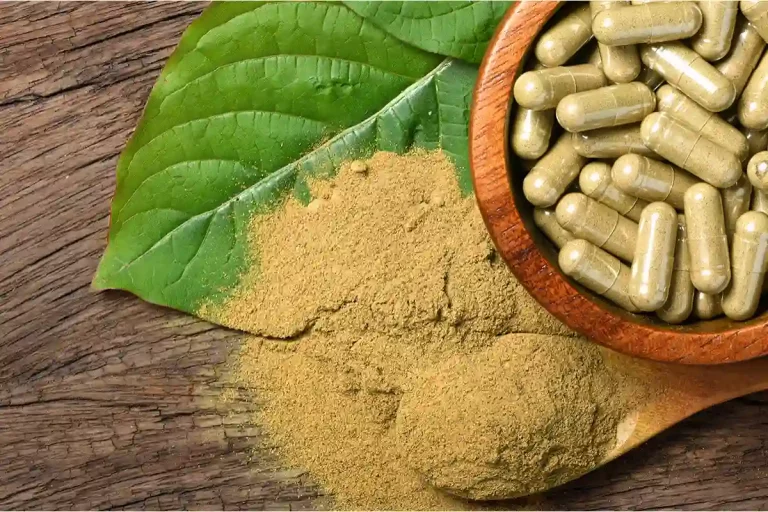
Red Maeng Da Kratom is a rare and sought-after strain native to Southeast Asia. It has a distinct reddish hue and a powerful scent that many describe as musky and sweet.

However, Red Maeng Da contains higher than average concentrations of key kratom alkaloids, which set it apart from other strains of this traditional Southeast Asian herb.

People who use it often report an energizing effect and possible nerve and muscle relaxation properties. Furthermore, while some claim they experience health benefits associated with taking Red Maeng Da Kratom, these are strictly anecdotal reports.

Research conducted by certified scientific sources is still needed to understand its longer-term effects on humans fully.

What Is Red Maeng Da Kratom, And What Are Its Benefits

What Is Red Bali Kratom, And What Are Its Benefits?

Red Bali Kratom is one of the famous and celebrated varieties of Mitragyna Speciosa, commonly known as Kratom. It grows naturally in Indonesia, Malaysia, and Thailand and is readily available worldwide.

The Red Bali strain gets its name from its color – a reddish hue that signals it has undergone aged fermentation and drying methods for added potency. Considered a fast strain, users often report stimulating effects such as alertness, motivation, and improved concentration shortly after consuming this particular Kratom.

With its rich history of use by Southeast Asian farmers for centuries, the Red Bali strain has become an essential part of modern-day wellness regimes that aim to energize while providing calming benefits such as relaxation, mental clarity, and enhanced mood.

Which Strain Should You Consume For Your Specific Needs Or Desired Effects?

Red Maeng Da Kratom is an energizing and stimulating strain, while Red Bali Kratom promotes relaxation and sometimes a sedating feeling. Red Maeng Da and Red Bali are both popular options for many avid users looking to experience the effects of this herb.

Red Maeng Da, in particular, offers a unique and powerful boost that can help you tackle the day with more enthusiasm. On the other hand, Red Bali is perfect when you’re looking for calming effects; it’s ideal if you prefer a more mellow and languid sensation.

Ultimately, choosing which one suits your needs or desired effects will depend on what kind of experience you want from your experience.

How Do The Two Strains’ Effects, Potency, And Taste Compare?

Red Maeng Da Kratom and Red Bali Kratom have a lot of resemblances when it comes to effects, potency, and taste. Red Maeng Da is known for being particularly energizing and stimulating, while Red Bali is more likely to give you a sense of relaxation.

Furthermore, Red Maeng Da’s effects also last longer than Red Bali’s. Potency-wise, Red Maeng Da typically contains higher alkaloids than Red Bali, meaning its effects will be more pronounced.

However, the concentration of alkaloids in each strain can vary significantly from batch to batch depending on factors such as where it cultivated. In terms of taste, both Red Maeng Da and Red Bali are earthy with bitter tones; Red Maeng Da has a slightly sweeter taste, but overall the two strains are relatively similar in this regard.

The Recommended Dosage Of Each Strain

Red Maeng Da Kratom and Red Bali Kratom provide distinct levels of relief, so it is vital to be aware of their different recommended dosages. Red Maeng Da offers a higher dosage tolerance than Red Bali, which tends to provide the optimal benefit at a lower threshold.

For Red Maeng Da, 1-2 grams are often best for those new to this herb, whereas Red Bali may only require 2.5 grams for the same effect. It recommended that Red Maeng Da users increase their dosage in increments of 0.5 until they find their desired relief. At the same time, Red Bali may only need an extra gram if the original amount doesn’t produce satisfactory results.

As with any supplement or medication, each person will ultimately decide what works best for them and adjust the dosage accordingly.

What Is The Legal Status Of These Strains?

Red Maeng Da and Red Bali Kratom are two of the most popular strains, yet their legal status can be confusing. Red Maeng Da is currently illegal in many countries due to its use as a stimulant.

However, Red Bali is legally available in almost all areas of the world, but it can come with additional restrictions, such as age limits and packaging requirements. In the United States, Red Maeng Da and Red Bali are both legal for personal use in most states.

Furthermore, some cities and counties have banned it, so if you plan on using either strain, it’s crucial to check your local regulations to ensure you won’t get into trouble.

What Is The Legal Status Of These Strains

Summing It Up

Red Maeng Da and Red Bali Kratom are popular strains among users. Both strains provide varying potency levels, allowing users to choose a strain that best suits their needs. Red Maeng Da provides an intense energy boost and has more powerful effects, while Red Bali is milder yet still effective at providing relaxation. For those looking for an alternative method, kratom for arthritis may be worth considering, as it has been used historically in countries such as Thailand and Malaysia to treat various ailments, including chronic pain.

5 Sports with Multiple Health Benefits

0

Practicing a sport is essential, but there are some types of games that provide many health benefits. There are some sports with multiple health benefits. Although we know that practicing sport is something very healthy, perhaps we are looking for something specific. For example, we are increasing our endurance, calming our minds, learning to breathe much better, gaining flexibility, and so on.

Depending on what our body needs and what we are looking for, it will be better to choose one sport or another. For all this, today, we are going to discover some sports that have multiple benefits. Perhaps some of them have never been practiced, and you find out a new passion.

Sports with Multiple Benefits

We have chosen 5 sports that we believe provide health benefits that may be of interest to you.

Discovering what each one can bring you will help you know what is best for you. Are you ready to find it?

1. Paddle or Tennis

Perhaps you have played one of these two sports sporadically, or somewhere outdoors, such as the beach. Surely in those moments, you felt full of energy, and you had fun.

In that case, you can intuit that if you incorporate them into your daily routine, they can bring you many benefits. And since they practiced in a group, we don’t neglect our social skills.

Both paddle tennis and tennis will help you improve your mental agility and coordination. This is exceptionally positive since it even favors decision making. And exercise will allow you to tone your body completely: especially the extremities.

2. Yoga

Another sport that brings multiple benefits is yoga, an activity that involves sustained effort instead of speed. Of course, people with flexibility have great ease in performing the different postures that this beautiful way of exercising implies, however, even if you do not have much flexibility at the beginning, with practice, the body will be able to acquire it.

Yoga also helps us improve the quality of our breathing, which increases our lung capacity and better oxygenates the body. On the other hand, it helps us focus on the present, freeing us from stress. By achieving this, we immediately acquire high well-being, which translates into the quality of life.

3. Hiking

The third of the sports that provide multiple health benefits is hiking. Even if we like to walk and we do it on a gym treadmill or around the city, it will always be much more positive to take a nature hiking trail.

The reason lies in something straightforward, but of great importance: mental health. It is necessary to disconnect from the usual rhythm of the city and enjoy the freedom that is breathed in the open air, as this allows us to replenish energy and strengthen ourselves emotionally.

Contact with nature always involves a breath of fresh air that comforts us, which will enable us to enjoy for a moment what is around us, and that brings us back to the present. On the other hand, hiking is an excellent cardiovascular exercise that provides high oxygenation to the body.

4. Run

Lately known with the Anglo-Saxon term ‘running,’ running is one of the complete activities that we can practice daily. It helps us improve posture, gain speed, tone the body, and also allows us to clear our minds.

Thanks to this sport, we can increase our endurance, strengthen our joints, and improve our cardiovascular system. Running can be a excessive way to increase our motivation .

Therefore, signing up for a marathon can help us want to outdo ourselves, which translates into multiple benefits. Also, a marathon is an entertaining activity and allows us to assess how we had done compared to when we first started running.

5. Swimming

We could not finish this list of sports that provide multiple benefits without talking about swimming. A game considered the most complete of all, and that has a low impact. So it is suitable for older people, adults, and children.

Thanks to swimming, absolutely all muscles are worked, we learn to breathe correctly, our coordination improves. But, it also allows us to disconnect. Contact with water is always delightful that dissipates our worries and will enable us to feel like a cloud.

Do you Already Practice Any of These Sports?

Many of them can be done almost anywhere, like on the beach. There are no more excuses for not taking advantage of the multiple benefits that these sports can offer us.

Well, they not only provide benefits on a physical level but on a mental level. Something essential in a society that is increasingly stressed and concerned.

7 Common Questions About Rhinoplasty, Answered

“Rhinoplasty Transformation”, “How Long Does Rhinoplasty Take”, “Nose job London” – these phrases often come to mind when considering a nose job. Rhinoplasty is a popular cosmetic procedure that can transform your facial appearance and boost your self-confidence. However, having questions and concerns is normal before undergoing such a transformative surgery. In this comprehensive blog post, we will answer seven of the most common questions about rhinoplasty, providing valuable insights to help you make an informed decision about this life-changing procedure.

Q1: What Is Rhinoplasty?

What Is Rhinoplasty

A1: Rhinoplasty, commonly known as a nose job, is a surgical procedure that focuses on reshaping the nose. Beyond cosmetic improvements, it can address various issues, including altering the size, shape, and symmetry of the nose, as well as functional concerns like breathing difficulties. The primary goal of rhinoplasty is to achieve a harmonious balance between the nose and other facial features.

Q2: How Long Does Rhinoplasty Take?

A2: The duration of a rhinoplasty procedure can vary depending on its complexity. It takes about 1 to 3 hours on average, but more intricate cases may require more time in the operating room. After assessing your specific needs and goals, your surgeon will provide a more precise estimate during your consultation.

Q3: What Is Rhinoplasty Transformation?\

What Is Rhinoplasty Transformation

A3: Rhinoplasty transformation refers to the remarkable changes that can occur after the procedure. Beyond physical alterations, it can enhance your facial harmony, improve your overall profile, and significantly boost your self-esteem. For many individuals, rhinoplasty can be a life-changing experience that improves their appearance, confidence, and quality of life.

Q4: Is Rhinoplasty Painful?

A4: Pain levels after rhinoplasty can vary from person to person. However, most patients report experiencing mild to moderate discomfort rather than severe pain. Your surgeon will provide detailed pain management guidelines to ensure your comfort during recovery. This typically includes prescribed medications to manage any discomfort effectively.

Q5: What Is the Recovery Like?

What Is the Recovery Like

A5: Rhinoplasty recovery occurs in several stages. You can expect some swelling and bruising in the initial days following the surgery, particularly around the nose and eyes. Stitches and splints may be present, which will be removed during follow-up appointments as you progress through your recovery. It’s essential to be patient during this period, as it can take several weeks to months for the full results to become apparent. Your surgeon will provide specific post-operative care instructions to help facilitate a smooth and successful recovery.

Q6: Are There Risks Associated with Rhinoplasty?

A6: As with any surgical procedure, rhinoplasty does carry some inherent risks. These risks may include infection, bleeding, scarring, and in rare cases, the need for revision surgery. However, selecting a board-certified and experienced surgeon greatly minimizes these risks. Additionally, your surgeon will thoroughly discuss potential risks and benefits during your consultation, allowing you to make an informed decision about proceeding with the surgery.

Q7: Where Can I Get a Nose Job in London?

A7: If you’re considering a nose job in London, selecting a reputable and experienced surgeon or clinic is crucial. One such trusted option is this, a specialized clinic dedicated to rhinoplasty procedures. Their team of skilled surgeons is committed to helping you achieve your desired results while ensuring your safety and satisfaction. For more information and to schedule a consultation, visit their official website.

Q8: What Can Rhinoplasty Correct?

A8: Rhinoplasty is a versatile procedure that can address a wide range of concerns. It can correct the size of the nose, either reducing or increasing it to achieve a more balanced appearance.

Additionally, rhinoplasty can reshape the tip and bridge of the nose, enhance symmetry, and address functional issues, such as improving breathing difficulties caused by structural abnormalities.

Q9: How Long Does Swelling Last After Rhinoplasty?

A9: Swelling is a common post-operative symptom after rhinoplasty. It typically peaks within the first week after surgery and gradually subsides over several weeks to months.

While most visible swelling resolves within a few weeks, it’s important to note that it can take up to a year for the nose to settle fully and for the final results to become completely visible.

Patience is key during the recovery process, and your surgeon will provide guidance on managing swelling.

Q10: What Should I Expect During a Rhinoplasty Consultation?

A10: During a rhinoplasty consultation, you can anticipate a thorough nose assessment and a detailed discussion of your goals and concerns. Your surgeon will explain the rhinoplasty procedure itself, potential risks, and expected outcomes. You’ll also have the opportunity to ask questions and express any specific desires or expectations you have for the surgery. Using this consultation to communicate openly with your surgeon to ensure a clear understanding of the procedure and to establish realistic expectations for the results.

Conclusion

Rhinoplasty, or a nose job, can be a life-changing procedure that enhances your facial appearance and boosts your self-confidence. In this blog post, we’ve answered seven common questions about rhinoplasty, providing valuable insights into the procedure. If you’re considering a nose job in London, rely on a reputable clinic with experienced surgeons dedicated to helping you achieve your rhinoplasty transformation. Don’t hesitate to visit their website to learn more and schedule a consultation. Your journey to a more confident you begins here.

Biologics vs. Biosimilars: Key Differences Explained

0

Introduction to Biological Medicines

Biological medicines represent a breakthrough in modern healthcare, offering targeted treatments for complex conditions like cancer, autoimmune disorders, and genetic diseases.

Unlike traditional chemical-based drugs, biologics are large, complex molecules manufactured using living organisms.

As patents for original biologics expire, biosimilar alternatives have emerged, creating more accessible treatment options while maintaining rigorous safety standards.

What Are Biologics?

Biologics are medicines derived from living sources—including microorganisms, animal cells, or human cells. These large-molecule drugs are typically proteins that target specific components of disease processes.

Key characteristics of biologics:

  • Produced through biotechnology in living cell systems

  • Complex molecular structure (often 100-1,000 times larger than chemical drugs)

  • Used to treat serious conditions including rheumatoid arthritis, Crohn’s disease, and various cancers

  • Typically administered by injection or infusion

  • Examples include insulin, growth hormones, and monoclonal antibodies

Understanding Biosimilars

Biosimilars are biological products that are highly similar to existing FDA-approved biologics (reference products).

They are not generic equivalents but demonstrate no clinically meaningful differences from their reference products.

Biosimilar development requires:

  • Extensive analytical studies showing biological similarity

  • Animal studies assessing toxicity

  • Clinical studies demonstrating safety, purity, and potency in at least one approved condition

  • Ongoing monitoring after approval

Critical Differences: Biosimilars vs. Generic Drugs

Many patients confuse biosimilars with generic drugs, but significant differences exist:

Aspect Generic Drugs Biosimilars
Molecular Size Small molecules Large, complex molecules
Structure Simple, identical chemical structure Complex, similar but not identical structure
Manufacturing Chemical synthesis Living cell systems
Regulatory Pathway Abbreviated New Drug Application (ANDA) Abbreviated Biologics License Application (aBLA)
Testing Requirements Bioequivalence studies Comprehensive analytical, preclinical, and clinical studies

Safety and Efficacy Standards

Regulatory agencies worldwide maintain strict standards for biosimilar approval. The U.S. Food and Drug Administration (FDA) requires biosimilars to meet rigorous criteria:

  1. Analytical similarity: Extensive laboratory analysis demonstrating highly similar molecular structure and biological activity

  2. Animal studies: Including toxicity assessments

  3. Clinical studies: Human trials demonstrating similar safety and effectiveness

  4. Pharmacovigilance: Ongoing safety monitoring after approval

The European Medicines Agency (EMA) and other international regulators maintain similarly strict standards, ensuring biosimilars provide equivalent therapeutic benefits with comparable safety profiles to their reference products.

Benefits of Biosimilars

For patients:

  • Increased treatment access through lower costs

  • Additional therapeutic options

  • Equivalent safety and effectiveness to reference products

For healthcare systems:

  • Reduced healthcare costs (typically 15-30% less than reference products)

  • Increased competition encouraging innovation

  • Sustainability through cost savings that can be redirected to other healthcare needs

Addressing Common Concerns

Interchangeability

Some biosimilars receive “interchangeable” designation, meaning they may be substituted at the pharmacy level without prescriber consultation (subject to state laws).

To receive this designation, manufacturers must provide additional data showing that switching between the reference product and biosimilar produces the same clinical results.

Immunogenicity

All biologics, including reference products and biosimilars, carry some risk of immune response.

Biosimilar manufacturers must demonstrate that any differences in immune response are not clinically meaningful.

Naming and tracking

Biosimilars have distinct nonproprietary names to ensure proper pharmacovigilance and tracking of adverse events.

The Future of Biosimilars

The biosimilar market continues to expand globally, with increasing numbers of products receiving approval across therapeutic areas. This growth promises to:

  • Further reduce healthcare costs

  • Increase treatment access worldwide

  • Drive innovation in biological medicine development

  • Encourage development of biologics for rare diseases

Conclusion

Biologics have revolutionized treatment for many serious health conditions, and biosimilars represent an important advancement in making these treatments more accessible.

While different from generic drugs, biosimilars undergo rigorous testing to ensure they provide equivalent safety and effectiveness to their reference products.

As the healthcare landscape evolves, biosimilars will play an increasingly important role in balancing innovation with accessibility, ultimately benefiting patients and healthcare systems worldwide.

7 Reasons Plant Protein Beats Animal Protein

0

It’s a well-known fact that protein is good for you, but what about the type of protein? The meat industry has always been a large part of American culture.

But with more and more research coming out on how harmful it can be to your health, people are starting to look elsewhere for their protein.

Plant-based proteins are not only healthier than animal proteins, but they’re also quite tasty.

Here are seven reasons why plant-based protein is better than animal-based.

1) More Nutrients and Fiber

There’s a reason why the American Heart Association recommends you get two and a half servings of veggies while emphasizing nuts, seeds, beans, peas, and lentils as essential protein sources.

These foods are packed with antioxidants, vitamins, minerals, and fiber necessary for good health.

Animal proteins, on the other hand, are not as nutrient-rich. The only thing to be aware of is that few plant sources will be a “complete protein,” meaning they don’t have all the essential amino acids.

This can be easily remedied by eating various plant-based proteins throughout the day.

2) Variety

The world of plant proteins is vast and varied. There are so many different kinds of beans, nuts, seeds, and grains to choose from that you’ll never get bored.

Protein is also found in quinoa, gluten-free grain with a nutty flavor and slightly crunchy texture.

In addition, there’s protein just about everywhere you look in the plant world, including Brussels sprouts, asparagus, broccoli, avocado, and potatoes. With this list of ingredients, you’ll be challenged to get creative and make delicious dishes.

3) Reduced Saturated Fat

Animal proteins are high in saturated fat, leading to heart disease and other health problems.

For example, a meta-analysis of studies done between 1952 and 2012 found that a high intake of meat and processed meat was associated with an increased risk of disease, possibly leading to early death due to the higher amounts of saturated fat.

On the other hand, plant proteins are low in saturated fat and can actually help reduce the risk of heart disease.

4) Not Carcinogenic

One of the biggest dangers of eating meat, mainly processed meat, is that it can possibly lead to cancer, according to some authorities in the field of medicine.

The World Health Organization has released a statement saying that processed meat is carcinogenic.

However, when compared to plant-protein sources that also contain cancer-fighting nutrients, it’s clear that plant proteins are the safer option.

5) Reduced Risk of Cardiovascular Disease

Numerous studies have shown that a diet high in animal protein can increase cardiovascular disease risk.

This includes meat and dairy — something to keep in mind if you are a fan of whey protein, which is a dairy-based protein powder.

It might be time to make the switch to a plant-based protein powder, which will ensure that you’re not putting your heart at risk.

6) Lower Risk of Type 2 Diabetes

A diet high in animal protein can also increase the risk of type 2 diabetes.

One study showed that animal protein consumption was a significant risk factor for developing type 2 diabetes.

On the other hand, in the same study, they found that plant protein was a protective factor for some, meaning that it lowered the risk of developing type 2 diabetes.

7) Less Chance of Weight Gain

Meat is high in calories and quickly leads to weight gain. Also, animal protein is significantly connected to fast food, which is even more likely to make you gain weight.

On the other hand, plant proteins are generally lower in calories and don’t have the same association with fast food. In fact, plant-based diets are often associated with weight loss.

Excellent Sources of Plant Protein

If you’re not used to looking at plants as a source of protein and your plate is always a third (or more) of meat, this whole process of switching over can be a little daunting.

But fear not — as we mentioned earlier, there are plenty of sources of plant protein out there that you can start including in your diet today.

  • Nuts

Almonds, walnuts, pistachios, and cashews are all excellent plant-based protein sources. They’re also a good source of healthy fats, fiber, and minerals like magnesium and potassium.

  • Seeds

Chia seeds, hemp hearts, pumpkin seeds, and sunflower seeds are some of the best sources of plant-based protein around. They’re also a good source of minerals, healthy fats, and fiber.

  • Legumes

Beans, lentils, and peas are all great sources of plant-based protein, as well as fiber and minerals.

  • Grains

Quinoa, amaranth, and buckwheat are high in protein, fiber, and other essential nutrients.

  • Plant-Based Protein Powders

If you’re looking for an easy and convenient way to get your plant-based protein fix, a plant-based protein powder might be the way to go.

There are many different types of plant-based protein powders on the market, so finding one that suits your needs shouldn’t be too difficult.

Occasionally, when people start eating less animal protein and more plant protein, their gut goes through a bit of a transformation.

Often, this is because it’s healing and getting used to not having all the animal products. If you’re feeling bloated, gassy or like you have candida, these could all be signs that your gut is transitioning.

Be patient and give it some time. It will eventually even out. And in the meantime, reach for some digestive enzyme supplements to help you along. As well, take a nourish supplement to help with the gut healing process.

Making the Transition to Plant-Based Protein

If you’re interested in making the switch to plant-based protein, but you’re not sure where to start, here are a few tips to help you out.

  • Work into it, slow and steady

Start by gradually replacing some animal-based proteins in your diet with plant-based proteins.

This could mean swapping out one meal per day for a plant-based meal or adding a plant-based protein powder to your smoothie.

  • Try some new plant-based recipes

There are plenty of amazing plant-based recipes out there, and you’re sure to find one that you love.

  • Explore different plant-based proteins

As we mentioned earlier, many different types of plant-based proteins are available. Try out a few different kinds to see which ones you like best.

  • Talk to your doctor or nutritionist

If you’re looking for more guidance on making the switch to plant-based protein, talking to a professional is always a good idea.

They can help you create a plan that’s right for you and make sure that you’re getting all the nutrients that you need.

Top Health Benefits of Cinnamon with Honey Blend

0

To obtain the benefits of these two ingredients, we must remember that the amount of cinnamon must always be half that of honey, taking into account the weight of each one.

Today in our space, we want to remind you of something that your grandparents already told you: «Take a tablespoon of cinnamon with honey and take care of your health.

And it is not necessary to be a faithful follower of natural medicine to realize that nature, always wise, sometimes put within our reach great remedies for specific ailments.

Sometimes, lifestyle makes us turn to the classic vitamins of a pharmacy. This, according to this study, due to the high demand for stress. On the other hand, we do not try to maintain an adequate, balanced, and, above all, conscious diet.

For this reason, we want to recommend a natural remedy that can help you take care of your health. This, together with a balanced diet and a healthy lifestyle, can be very beneficial for our body.

Do you put it into practice today? We give you good reasons to do so.

Cinnamon With Honey: Is It An Ally For The Heart?

It said that if you want to take full advantage of its benefits, it is good to make it in the morning.
In this way, and if we are always in it, our heart health will thank you for several reasons:

  • Honey and cinnamon are two foods with anti-inflammatory properties that take care of the health of our veins and arteries. Thus, they can help us alleviate ailments, such as hypertension.
  • Thanks to its antioxidant and other nutrient content, cinnamon infused honey can help us reduce bad cholesterol.

So, we can say that even though these natural alternatives must go hand in hand with a balanced diet and also exercising continuously, they can contribute significantly to our health.

Does It Help Us To Have Better Digestion?

If you usually suffer from some acidity and your digestion is also quite slow, do not hesitate to follow this simple advice:

  • Consume a tablespoon of honey (25 g) with a tablespoon of cinnamon (5 g) sprinkled on top 20 minutes before your meals.

Cinnamon can help us stimulate the production of gastric juices, promoting digestion. Thus, thanks to cinnamon with honey, you will be able to digest dense foods more quickly, such as meat.

Besides, due to their anti-inflammatory properties, they can also help take care of the walls of our stomach, while preventing inflammation.

Likewise, cinnamon is also a diuretic. Thus, it will help your intestines to be freer of toxins and yeasts.

Cinnamon With Honey To Help Lose Weight?

  • It is essential to start by saying that it is not that cinnamon honey alone favors the loss of body fat. That is, the loss of body fat faithfully obeys a convergence of biological, hereditary, and practical factors, where the quality of the food we eat, exercise, and rest come into play.
  • According to popular wisdom, if you intend to lose those extra kilos, you can not forget to consume 1 tablespoon of cinnamon with honey on an empty stomach followed by a glass of water. Then, allow half an hour to pass before starting your breakfast usually.

Thanks to its components, such as vitamin B1, they can help you promote carbohydrate metabolism. Thus, cinnamon with honey can be a great ally to lose weight.

Also, For Pimples And Blackheads

Until now, there are only different websites where forums and debates found on whether this could help the removal of impurities in the face; that is, no study published to support this theory. Despite this, many beauty treatments usually include it as a support for various natural alternatives.

Thus, popular wisdom suggests that at home, we have a natural antibiotic that is very useful for this type of specific problem. To make that granite or those pimples disappear, it believed that you would only have to make a small filling with cinnamon and honey. Then you put on it to the affected area and let it act for half an hour. To finish, rinse with warm water, and that’s it.

Cinnamon With Honey To Relieve Arthritis Pain

Various research carried out from the University of Copenhagen revealed that something as simple as combining cinnamon with honey reduces arthritis-related pain.

In addition to this, this study can be mentioned, which talks about the analgesic and anti-inflammatory actions of cinnamon based on its ethanolic extracts, demonstrated its analgesic effect through dependent doses in mice.

So, for this, we have to be constant and take it for at least a 1 to see results. So, follow this advice to find relief if it is your case.

How to Prepare it

  • 25 g of honey (one tablespoon).
  • 5 g of cinnamon powder (one teaspoon).

It’s just about combining cinnamon with honey in a tablespoon. Always remember that the amount of cinnamon must be half of the honey.

We will take this excellent remedy every morning on an empty stomach. It is worth a try.

Cinnamon With Honey To Take Care Of Our Natural Beauty

When one is right on the inside, it shows on the outside. And something as easy as taking cinnamon with honey every day allows us to combat cell oxidation.

This is due to the antioxidant content of both cinnamon and honey. These are said to help fight free radicals that attack our health.

If you want to fight against oxidation, inflammation and also improve the elasticity of your skin, take note of this excellent advice.

Remember, it is only part of a natural treatment that must go in parallel with other skincare and a balanced diet.

Ingredients

  • 25 g of honey (one tablespoon)
  • 5 g of cinnamon powder (one teaspoon)
  • 1 glass of water

Preparation

  • The first thing you should do is heat that glass of water. It should be warm, never cold or excessively hot. Then, dissolve that tablespoon of honey and cinnamon in it and consume it on an empty stomach every day.
  • At first, you probably notice that your digestions improve, that you retain fewer fluids and that you feel lighter. Thus, day by day, that inner balance can begin to be reflected in your skin. Now you have seen the benefits that cinnamon and honey, we hope you incorporate them into your diet. These can be great allies for your health.

Best Neural Therapy: Top Treatments & Benefits Explained

Neural therapy is a growing therapy that seeks to treat disorders of the body’s electrical system. It aims to provide solutions to complex health problems, such as neuropathic pain, through the use of local anesthetics.

Neural therapy is a technique that has only recently been on the rise. It focuses on treating diseases caused by disorders in the body’s electrical system that runs throughout the body. These electrical syndromes are known as interfering fields.

The interference fields can be found in the organs, nodes, skin, and virtually anywhere on the body. These types of disorders, for a long time, not been taken into account by medicine or have been undervalued.

Neural therapy would help restore the normal functioning of the nervous system, according to its principles. In this way, it tends to accelerate the recovery of numerous pathology that, with conservative treatments, do not advance in improvements.

To this day, this treatment still represents an open front in medicine and research. In this article, we explain what neural therapy consists of and what it mainly used for.

What Does Neural Therapy Consist Of?

The nervous system is a set of cells that specialize in conducting electrical signals. It is responsible for directing and controlling much of the functions that take place in the body. In the same way, it helps to maintain an internal body balance and with the surroundings.

The nervous system, like some other part of the body, is vulnerable to injury or infection. For example, it damaged by trauma or surgery. Naturally, if it is a small injury, this system can react fine and get better.

Though, when the wound is too damaging or continued, the nervous system can be damage indefinitely. When this occurs, a series of sensations produced, such as pain, which does not have a visible focus with the naked eye and does not yield to regular treatments.

This is where neural therapy comes in, seeking to restore normal nervous system function. In other words, help repair those injuries that occur in driving ways. In this way, it would stop the pain, for example.

Neuropathic pain would be a field of action for neural therapy.

How The Neural Treatment Performed?

Neural therapy involves injecting a local anesthetic into areas where a neural injury may exist. Typically, the drugs used are procaine or lidocaine. Small diluted amounts injected into saline.

In numerous cases, there is a fast improvement in pain. However, other people react differently. For example, some patients feel much more energy, but others suffer heavy fatigue for days.

The ideal is to carry out a subsequent follow-up of the patient. It done about a month after giving the injections. It may take numerous injections to achieve the desired effect of neural therapy.

What Is Neural Therapy For?

Neural therapy can be useful as a treatment for numerous pathologies, especially when it comes to cases of chronic pain or inflammation, for example, in diseases such as low back pain, cervical pain, and tendinitis.

On the other hand, it used for more complex conditions such as fibromyalgia. It used to treat cases of Crohn’s disease and certain mood disorders that somatized.

Neural therapy, although it may seem complicated, could also be used in children. This requires the parents to give their consent. It used to treat recurrent infections like bronchitis, cystitis, and even gastroenteritis.

To Take Into Account

The fact is that to use neural therapy, and many aspects need to take into account. Besides, it must always be a specialist who performs it. Therefore, it is essential to inform and study each case well adequately. The doctor help decides if it used or not.

error: Content is protected !!